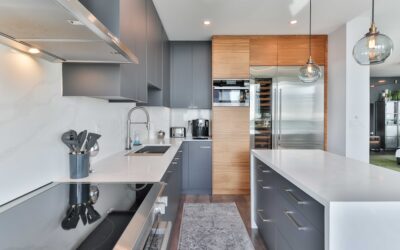
Most kitchens lose 25-40% of usable cabinet space to dead corners, deep cabinets where things disappear, and shelves that don’t match what they’re holding. A purposeful kitchen cabinet organization layout built around work zones, vertical dividers, and the right hardware turns a frustrating kitchen into one that runs itself. This guide covers the layout principles professional kitchen designers actually use, with specific products and pricing.
Part of our Kitchen Remodeling guide — explore the full guide →
Start with Work Zones
The fundamental concept of cabinet organization is zoning by activity, not by item type. Group everything you use for a specific task — coffee, baking, dishwashing, cooking — in one location so you make one trip instead of five.
- Prep zone: Cutting boards, knives, mixing bowls, measuring tools — near sink and main counter
- Cooking zone: Pots, pans, oils, spices, utensils — adjacent to range
- Cleaning zone: Detergent, sponges, trash, recycling — under sink
- Storage zone: Pantry items, bulk goods — pantry or deep cabinets
- Beverage zone: Coffee/tea, mugs, glasses, sweeteners — near coffee maker
- Service zone: Dishes, flatware, glassware — near dishwasher for easy unloading
If you find yourself walking across the kitchen during a task, the zones are wrong.
Upper Cabinets
The middle shelf at chest height holds daily-use items. Top shelves are for seasonal or rarely-used pieces. Bottom shelves of upper cabinets should hold heavier items like dinner plates and serving pieces — easier to lift down from a low shelf.
Add risers to double vertical storage. Rev-A-Shelf RAS-ML-HDCR adjustable shelf risers run $25-$45 and let you store small plates above larger ones. For glassware, a wine rack insert keeps stemware safe and organized in a fraction of the footprint.
Base Cabinets: Drawers Beat Shelves
Deep cabinets with two static shelves are the single worst storage configuration in most kitchens — items at the back become permanently invisible. The retrofit answer is pull-out drawers (also called rollouts) that mount on full-extension drawer slides.
Rev-A-Shelf Pull-Out Wood Drawers ($65-$185 per drawer depending on size) install in existing cabinets with four screws. The Knape & Vogt 8-inch BlumMotion soft-close drawer system runs $90 per drawer and feels custom-built. For a 36-inch base cabinet, two stacked rollouts hold double what the original shelves did and you can see everything.
Corner Cabinet Solutions
Blind corner cabinets — where the cabinet extends past the door opening into an inaccessible space — are the worst offender in kitchen layouts. Three retrofit options solve this:
- Lazy Susan: Rev-A-Shelf 6298 28-inch full round, $145, holds dishes and pantry goods
- Pull-out half-moon: Hafele Magic Corner II, $385, brings hidden corner contents to the front
- Diagonal pull-out: Hafele LeMans II, $550, swings out from the corner in a kidney shape
The Lazy Susan is the budget pick; the LeMans is the premium solution most cabinet shops install in new construction.
Drawer Dividers and Inserts
Drawers without dividers become junk drawers within a month. The Container Store Bamboo Drawer Organizer ($15-$45 per insert) modular system fits any drawer. For knives, Rev-A-Shelf 4WTKB knife block inserts ($85-$140) replace dangerous loose-knife storage.
For flatware, custom-fit drawer organizers like Joseph Joseph DrawerStore ($30) maximize space better than generic dividers. Spice drawers benefit from tiered inserts that angle bottles so labels are visible at a glance.
Under-Sink Organization
The under-sink cabinet is notoriously hard to use because of the plumbing trap and disposal unit. Use vertical stackable wire shelves from simplehuman or YouCopia ($45-$85) that work around the plumbing. Tension rods across the opening hold spray bottles by their triggers.
Mount a pull-out trash and recycling unit (Rev-A-Shelf RV-15PB-50 dual-bin, $185) where space allows. This single upgrade improves kitchen workflow more than almost any other organizational change.
Pantry Cabinet Strategy
Tall pantry cabinets need internal pull-outs at multiple heights — six independent drawers beat three deep shelves every time. For walk-in pantries, group by category (canned goods, baking, breakfast, snacks) with clear bins from OXO Good Grips POP containers ($12-$45 each) that stack and seal.
Door-mounted spice racks like the Spectrum Diversified spice rack ($35) hold 24+ jars on the inside of cabinet doors, freeing shelf space.
Hardware Investments Worth Making
Soft-close hinges (Blum CLIP top BLUMOTION, $4-$8 per hinge) eliminate slamming and extend cabinet life. Full-extension under-mount drawer slides (Blum TANDEM, $35-$65 per pair) replace partial-extension side-mount slides on older cabinets and reveal the back third of every drawer.
For frequent kitchen users, the soft-close upgrade across all doors and drawers in a typical kitchen costs $400-$900 and delivers daily quality-of-life improvement.
Specialty Inserts Worth the Money
- Tray dividers (vertical) for baking sheets and cutting boards — $40-$80
- Pull-out wastebasket frames — $85-$185
- Tip-out front drawers (under sink) for sponges — $25 each
- Cabinet door spice racks — $30-$75
- Pot lid organizers — $25-$45
- Pull-out towel bars — $35
Maintenance Habits
Even the best layout drifts. Schedule a quarterly 30-minute reset: pull out one zone at a time, discard expired items, wipe surfaces, and put back only what you actually use. Annual deep-cleans for door fronts and hinges keep cabinets looking new for 15-20 years.
A well-zoned kitchen cabinet organization layout pays for itself in time saved and stress avoided every single day. Spend a weekend doing it right and you’ll wonder how you cooked any other way.
Phased Budget Approach
You don’t need to retrofit everything at once. Most kitchens get the highest return from prioritizing in this order: under-sink pull-out trash and recycling first ($185-$250 installed), then base cabinet rollouts in cooking and prep zones ($65-$185 each), then corner cabinet upgrades, then drawer dividers, and finally upper cabinet risers. Budget $800-$1,500 for high-impact retrofits across a typical kitchen — far less than a full remodel but with most of the daily quality-of-life improvement.
For projects spread over time, document your existing cabinet dimensions in a small notebook. Cabinet box widths, depths, and door openings vary widely by manufacturer and era, and many retrofit hardware products require specific minimum interior dimensions. Measuring once and recording the data saves a return trip to the store every time you add a new component to the kitchen.