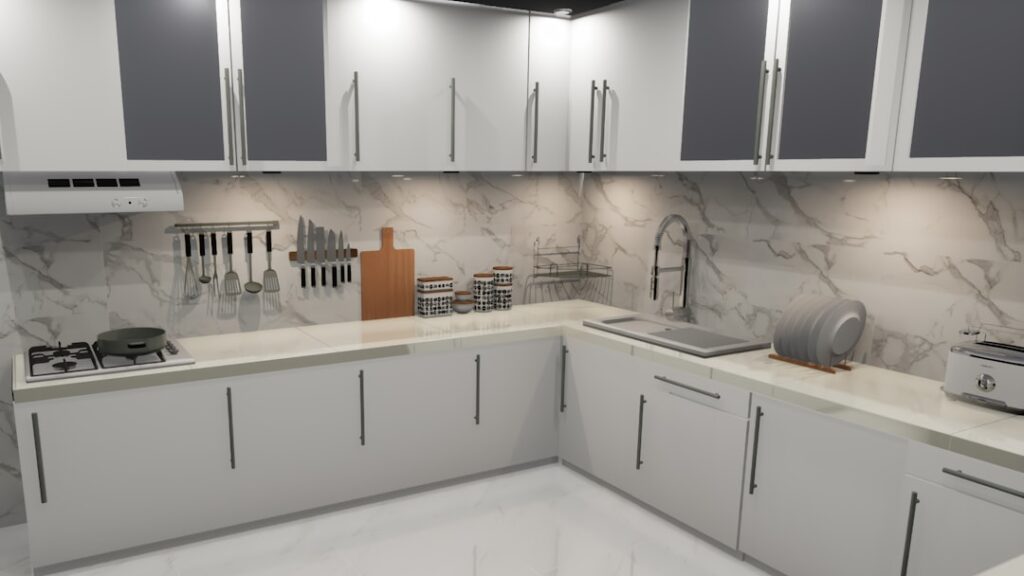
Tearing out cabinets that are structurally fine just to get a new look is one of the costliest mistakes in kitchen renovation. Kitchen cabinets resurfacing sidesteps that waste by treating the existing boxes as the bones and giving everything you actually see a fresh skin. Done right, it transforms a dated kitchen for 30 to 50 percent of what new cabinetry runs. The trick is knowing what resurfacing covers, what it does not, and when it truly makes sense.
- What Resurfacing Actually Means
- Resurfacing vs. Refinishing vs. Replacing
- Materials You Can Choose
- The Resurfacing Process Step by Step
- When Resurfacing Is Worth It
- DIY or Hire a Pro
- Getting Lasting Results
- How Long the Project Takes
- Upgrades to Bundle With Resurfacing
- Choosing the Right Door Style and Color
- Common Questions About Resurfacing
What Resurfacing Actually Means
Resurfacing keeps your cabinet boxes in place and updates their visible faces. That usually means new doors and drawer fronts, plus a thin veneer or laminate applied over the exposed box frames and end panels so everything matches.
People often confuse the term with refacing, and the line is blurry. Refacing typically replaces doors and applies veneer. Resurfacing can mean the same thing, or it can mean refinishing existing doors with paint or a new laminate skin. Always confirm exactly what a contractor includes before signing.
Resurfacing vs. Refinishing vs. Replacing
Three paths lead to a new-looking kitchen, and they sit at very different price points.
- Refinishing: Sand and repaint or restain existing doors. Cheapest at $1,200 to $3,500, but you keep the same door style.
- Resurfacing/refacing: New doors and fronts plus matching veneer on boxes. Runs $4,000 to $9,000 for an average kitchen.
- Full replacement: New boxes and doors. Starts around $12,000 and climbs fast for custom work.
Materials You Can Choose
The surface you pick sets the durability and the look. Each has trade-offs worth weighing against your budget and how hard your kitchen gets used.
- Wood veneer: Real wood, stainable, premium feel. The priciest skin but the most authentic.
- Rigid thermofoil (RTF): Vinyl heat-pressed onto MDF. Seamless and easy to wipe, though heat near ovens can peel it.
- Plastic laminate: Durable, huge color range, budget-friendly. The workhorse choice for busy households.
- Paint-grade refinishing: Best for solid wood doors in good shape. A sprayed finish in a satin enamel holds up well.
The Resurfacing Process Step by Step
A professional job moves in a predictable sequence over two to four days. Understanding it helps you spot a contractor cutting corners.
- Remove all doors, drawer fronts, and old hardware.
- Clean and lightly sand the box faces so new material bonds.
- Apply veneer or laminate to all exposed frames and end panels.
- Install the new doors and drawer fronts, then adjust for level and gap.
- Mount new hinges, pulls, and knobs to finish.
When Resurfacing Is Worth It
The decision hinges on the condition of your cabinet boxes. If the boxes are solid plywood or quality particleboard, square, and the layout works for you, resurfacing delivers excellent value.
Skip it when boxes are water-damaged, sagging, or made of crumbling low-grade particleboard. Patching a failing structure wastes money. Likewise, if you hate the current layout and want to move walls or add an island, you are remodeling anyway, so new cabinets make more sense.
DIY or Hire a Pro
Confident DIYers can tackle refinishing and even peel-and-stick veneer kits, saving thousands. Expect a long weekend of prep, sanding, and patience for paint or veneer to cure.
Veneer application on boxes is where most DIY jobs go sideways, since air bubbles and lifted edges show instantly. If you want crisp, factory-clean results, this is the part worth paying a specialist to handle.
Getting Lasting Results
The longevity of any resurfacing job comes down to prep and hardware. Insist on thorough degreasing before new material goes on, because old kitchen grime ruins adhesion faster than anything else.
Spend a little extra on solid-feel hinges and pulls. They are the parts your hands touch every day, and cheap hardware telegraphs a budget job no matter how good the new doors look. With sound prep and quality fittings, a kitchen cabinets resurfacing project should look great for 10 to 15 years.
How Long the Project Takes
One of resurfacing’s underrated perks is speed. A full cabinet replacement can leave your kitchen torn up for two to three weeks, while a resurfacing job typically wraps in two to four days for an average kitchen.
That timeline matters more than people expect. Because the boxes stay put, your countertops, sink, and plumbing never get disturbed, so you keep a functional kitchen through most of the work. The visible disruption is limited to the days when doors are off and veneer is curing, which is a fraction of the chaos a gut remodel brings.
Upgrades to Bundle With Resurfacing
Since the cabinets are already opened up and the doors are off, it is the smart moment to add improvements that would be awkward later. A few well-timed upgrades stretch the value of the project.
- Soft-close hinges and slides: Cheap to add during install and a daily quality-of-life boost.
- Pull-out shelves and lazy Susans: Easier to fit while the boxes are accessible.
- Under-cabinet LED lighting: A high-impact addition that pairs naturally with new fronts.
- New crown molding: Ties the refreshed cabinets into the ceiling for a built-in look.
Choosing the Right Door Style and Color
The door is the single biggest visual driver of the finished kitchen, so do not rush it. Shaker-style doors remain the safe, timeless choice that resells well, while flat-panel slab doors read modern and minimalist.
Color trends shift, but white, soft gray, and natural wood tones age gracefully. If you want something bolder like deep navy or forest green, consider limiting it to an island or lower cabinets and keeping the uppers light, which keeps the kitchen feeling open. Order physical door samples and view them under your actual kitchen lighting before committing to a finish.
Common Questions About Resurfacing
A few questions come up on nearly every resurfacing project, and clear answers help you set expectations. Knowing them prevents disappointment after the work is done.
- Will it last as long as new cabinets? The boxes are your originals, so longevity depends on their condition; sound boxes plus quality fronts easily reach 10 to 15 years.
- Can the layout change? No. Resurfacing keeps the existing footprint, so moving or adding cabinets means a true remodel.
- Does it add home value? Yes. A refreshed kitchen is one of the highest-return improvements, and resurfacing captures much of that for far less than replacement.
- Is the finish durable? Factory-finished doors and quality veneer hold up well to daily kitchen use when cleaned with non-abrasive products.
Weighing these against your budget and the state of your existing cabinets makes the decision straightforward. For most homeowners with solid boxes and a workable layout, kitchen cabinets resurfacing is the smart middle path between living with a dated kitchen and paying for a full gut renovation.