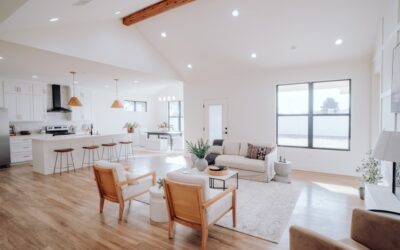
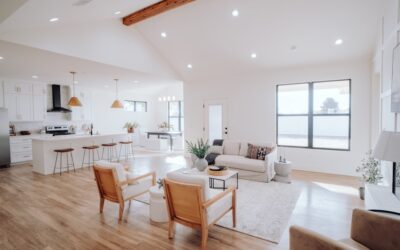
The right kitchen ceiling lights can transform your cooking space from dim and uninviting to bright, functional, and beautiful. Kitchen lighting is uniquely demanding — you need bright task lighting for food prep, ambient lighting for dining, and accent lighting to showcase your design choices.
- Understanding Kitchen Lighting Layers
- Types of Kitchen Ceiling Lights
- Recessed Lights (Can Lights)
- Pendant Lights
- Flush Mount Fixtures
- Semi-Flush Mount Fixtures
- Track Lighting
- Chandeliers
- LED Panel Lights
- Layout Planning Guide
- Recessed Light Spacing Formula
- Pendant Light Spacing Over an Island
- General Kitchen Lighting Formula
- Brightness & Color Temperature
- Kitchen Lighting Styles for 2026
- Installation Tips
- Cost Guide for Kitchen Ceiling Lights
- Frequently Asked Questions
- How many ceiling lights do I need in my kitchen?
- What is the best color temperature for kitchen lights?
- Can I mix different light fixture styles in one kitchen?
- How low should pendant lights hang over a kitchen island?
- Are LED lights worth it for the kitchen?
- Do I need a permit to install kitchen ceiling lights?
This comprehensive guide covers every type of kitchen ceiling light available in 2026, explains how to layer your lighting properly, and provides practical layout formulas so you can plan the perfect lighting scheme for your kitchen.
Understanding Kitchen Lighting Layers
Professional kitchen designers use three layers of lighting to create a fully functional, visually appealing space:
- Ambient (general) lighting: The base layer that provides overall illumination. This comes from flush mounts, recessed lights, or large ceiling fixtures. It should light the entire kitchen evenly without harsh shadows.
- Task lighting: Focused, brighter light directed at work surfaces like countertops, the stove, and the sink. Under-cabinet lights and well-placed recessed lights serve this function.
- Accent lighting: Decorative lighting that highlights architectural features, open shelving, or glass-front cabinets. Pendant lights over an island often serve double duty as both task and accent lighting.
The most effective kitchen lighting plans combine all three layers with independent switches or dimmers, allowing you to adjust the mood from bright work mode to warm entertaining ambiance.
Types of Kitchen Ceiling Lights
Recessed Lights (Can Lights)
Recessed lights sit flush with the ceiling, providing clean, unobtrusive illumination. They’re the workhorses of kitchen lighting — excellent for ambient and task lighting. Modern LED recessed lights are slim enough to install in shallow ceilings and offer adjustable color temperature.
Best for: General illumination, task lighting over counters, kitchens with low ceilings.
Pendant Lights
Pendants hang from the ceiling on a cord, chain, or rod. They’re the most popular choice for kitchen island lighting because they provide focused downlight while serving as decorative focal points. Available in countless styles from industrial metal to blown glass.
Best for: Island lighting, dining nooks, adding visual interest and style.
Flush Mount Fixtures
Flush mounts attach directly to the ceiling with no gap, making them ideal for kitchens with standard 8-foot ceilings. Modern flush mounts have evolved beyond the basic dome shape — in 2026, options include sleek LED panels, geometric designs, and drum shades.
Best for: Low ceilings, galley kitchens, secondary lighting in larger kitchens.
Semi-Flush Mount Fixtures
These hang slightly below the ceiling (typically 4–8 inches), offering a bit more design presence than flush mounts while still working in rooms with 8–9 foot ceilings. They cast light both downward and upward, creating a softer ambient glow.
Best for: Transitional kitchens, eat-in areas, adding style without a pendant drop.
Track Lighting
Track lighting features multiple adjustable light heads mounted on a linear track. Each head can be angled independently, making track lighting highly flexible for kitchens where you want to direct light at specific areas. Modern track systems come in sleek, low-profile designs.
Best for: Rental kitchens, flexible task lighting, highlighting specific areas.
Chandeliers
Once reserved for formal dining rooms, chandeliers are increasingly appearing in kitchens — particularly over islands and dining areas. Modern kitchen chandeliers range from minimalist linear designs to bold statement pieces.
Best for: Large kitchens, over dining tables, making a design statement.
LED Panel Lights
Flat, ultra-slim LED panels provide uniform, shadow-free illumination across a wide area. They’re energy-efficient, long-lasting, and available in tunable white options that adjust from warm to cool throughout the day.
Best for: Modern kitchens, commercial-style spaces, maximum brightness efficiency.
Layout Planning Guide
Recessed Light Spacing Formula
The standard rule for spacing recessed lights: divide the ceiling height by 2 to get the maximum spacing between lights. For an 8-foot ceiling, space recessed lights no more than 4 feet apart. Place the first row 2 feet from the wall (half the spacing distance).
| Ceiling Height | Max Spacing | Distance from Wall | Recommended Trim Size |
|---|---|---|---|
| 8 feet | 4 feet | 2 feet | 4–5 inches |
| 9 feet | 4.5 feet | 2.25 feet | 5–6 inches |
| 10 feet | 5 feet | 2.5 feet | 6 inches |
| 12 feet | 6 feet | 3 feet | 6–8 inches |
Pendant Light Spacing Over an Island
- Number of pendants: Use 2 pendants for islands 6–7 feet long, 3 pendants for islands 8+ feet long.
- Spacing between pendants: 24–30 inches apart, centered over the island.
- Height above island: Bottom of the pendant should hang 30–36 inches above the countertop surface.
- Distance from island edge: Pendants should be at least 6 inches inward from each end of the island.
General Kitchen Lighting Formula
For adequate ambient lighting, aim for 30–40 lumens per square foot. For task areas, increase to 50–75 lumens per square foot. A 200-square-foot kitchen needs approximately 6,000–8,000 lumens of ambient light total.
Brightness & Color Temperature
| Color Temperature | Kelvin Range | Appearance | Best Kitchen Use |
|---|---|---|---|
| Warm white | 2700K–3000K | Yellowish, cozy | Dining areas, ambient lighting |
| Neutral white | 3500K–4000K | Balanced, natural | General kitchen lighting (most popular) |
| Cool white | 4000K–5000K | Bright, energizing | Task lighting over counters & stove |
| Daylight | 5000K–6500K | Bluish, clinical | Not recommended for residential kitchens |
Pro tip: Tunable white LED fixtures let you shift from warm (2700K) during dinner to neutral (4000K) during food prep, giving you the best of both worlds from a single fixture.
Kitchen Lighting Styles for 2026
- Organic modern: Handmade ceramic pendants, rattan drum shades, and fixtures with natural wood accents reflect the biophilic design trend.
- Sculptural statements: Large-scale, architecturally inspired fixtures that serve as art pieces. Think asymmetric arms, interconnected rings, or flowing organic shapes.
- Matte black hardware: Matte black continues to dominate fixture finishes, especially paired with warm brass or brushed gold accents.
- Integrated LED: Built-in LED fixtures with no visible bulbs create the cleanest, most streamlined look. Many offer smart home integration with voice and app control.
- Linear suspension: Long, horizontal fixtures that span the length of an island or dining table. They provide even lighting coverage with a contemporary silhouette.
Your ceiling lighting choices should complement your flooring. Warm-toned lights enhance the richness of hardwood and wood-look tiles, while cooler lights pair well with modern gray or white tile floors. If you have hardwood, proper lighting also makes your floor cleaning routine easier by revealing missed spots.
Installation Tips
- Always use a dimmer switch for kitchen ceiling lights. This single upgrade gives you complete control over ambiance and reduces energy consumption.
- Install separate circuits for ambient, task, and accent lighting so you can control each layer independently.
- Use IC-rated recessed fixtures if your ceiling has insulation to prevent fire hazards.
- Consider junction box ratings — heavy chandeliers and pendants require ceiling boxes rated for their weight.
- Hire a licensed electrician for any new wiring. Most ceiling light swaps are straightforward, but adding new circuits or recessed lighting requires professional knowledge of local building codes.
Cost Guide for Kitchen Ceiling Lights
| Light Type | Fixture Cost | Installation Cost | Total Per Fixture |
|---|---|---|---|
| Recessed LED (6-pack) | $50–$200 | $100–$200/fixture | $115–$235 each |
| Flush mount | $30–$300 | $75–$150 | $105–$450 |
| Pendant light | $50–$500 | $100–$200 | $150–$700 |
| Track lighting system | $100–$400 | $150–$300 | $250–$700 |
| Chandelier | $150–$2,000+ | $150–$400 | $300–$2,400+ |
| LED panel | $40–$200 | $100–$200 | $140–$400 |
A complete kitchen lighting upgrade (6 recessed lights, 2–3 pendants, and under-cabinet lighting) typically costs $1,500–$4,000 installed, depending on fixture quality and the complexity of electrical work needed.
Frequently Asked Questions
How many ceiling lights do I need in my kitchen?
A general formula is one recessed light for every 4–6 square feet of kitchen space. A 10×12 kitchen (120 sq ft) needs approximately 6–8 recessed lights for adequate ambient coverage. Add 2–3 pendants over the island and under-cabinet lights for task areas.
What is the best color temperature for kitchen lights?
Most homeowners prefer 3000K–4000K (neutral white) for kitchen ceiling lights. This range provides bright, natural-looking light without the harshness of cool white or the dimness of warm white. For dining areas within the kitchen, 2700K–3000K creates a warmer, more inviting atmosphere.
Can I mix different light fixture styles in one kitchen?
Yes, and designers encourage it. The key is to maintain a cohesive finish or material. For example, pair matte black recessed trims with matte black pendants over the island, even if the pendant shape differs from the recessed style. Consistency in finish ties different fixture types together.
How low should pendant lights hang over a kitchen island?
The bottom of pendant lights should hang 30–36 inches above the countertop surface. This provides adequate task lighting while keeping the pendants out of your line of sight when standing at the island. For very tall homeowners or extra-high ceilings, adjust upward slightly.
Are LED lights worth it for the kitchen?
Absolutely. LED kitchen ceiling lights use up to 75% less energy than incandescent bulbs, last 25,000–50,000 hours (15–25 years of typical use), produce less heat, and are available in every color temperature and style. The slightly higher upfront cost pays for itself in energy savings within the first year.
Do I need a permit to install kitchen ceiling lights?
Replacing an existing fixture with a new one typically doesn’t require a permit. However, adding new electrical circuits, installing recessed lighting in new locations, or running new wiring usually requires an electrical permit and must be done by or inspected by a licensed electrician. Check your local building codes.
Last updated: March 2026