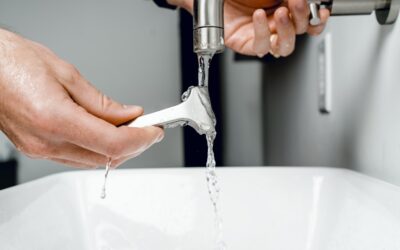
If your faucet sits so close to the back of the sink that filling a pot or washing your hands feels awkward, a kitchen faucet extender is a cheap, clever fix. This small attachment lengthens the reach or lowers the spout of your existing faucet, making everyday tasks easier without the cost and hassle of replacing the whole fixture.
Part of our Kitchen Remodeling guide — explore the full guide →
Extenders are especially popular for helping children reach the water, for filling tall pots, and for aerating flow. This guide explains the types available, their benefits, how to choose one that fits, and how to install and maintain it.
- What Is a Kitchen Faucet Extender?
- Common Types of Faucet Extenders
- Benefits of Using a Faucet Extender
- How to Choose the Right One
- How to Install a Faucet Extender
- Cleaning and Maintenance
- When an Extender Isn’t Enough
- Faucet Extenders for Kids
- Water Savings and Flow Control
- Choosing Quality and Avoiding Leaks
- Types of Sinks and Faucets It Fits
- Installing on Bathroom and Utility Sinks
- Is a Faucet Extender Worth It?
What Is a Kitchen Faucet Extender?
A faucet extender is an attachment that screws onto or clips over the end of your faucet spout to change where and how the water comes out. Some extend the spout outward or downward so water reaches farther into the sink; others are flexible or swiveling to direct the stream. A kitchen faucet extender is a low-cost upgrade that solves reach and flow problems in minutes, no plumbing skills required for most models.
Common Types of Faucet Extenders
Several styles address different needs:
- Spout extenders: Rigid or flexible tubes that lengthen the faucet’s reach toward the center or front of the sink.
- Swivel/rotating extenders: Attachments that pivot so you can aim the water where you need it.
- Faucet extenders for kids: Colorful attachments that redirect water toward the front edge so small children can reach without leaning over the counter.
- Aerator extenders: Combine a longer reach with an aerator to soften the stream and save water.
- Flexible hose extenders: Bendable necks that let you position the spray head freely.
Benefits of Using a Faucet Extender
Despite its small size and price, an extender solves several real annoyances:
- Better reach: Fill pots and bottles that do not fit under a short spout.
- Kid-friendly access: Children can wash hands without a step stool or dangerous stretching.
- Improved flow: Aerator models reduce splashing and can cut water use.
- Easier cleaning: Direct the stream into corners and around the sink.
- Low cost: Most extenders cost just a few to twenty dollars, versus a new faucet.
How to Choose the Right One
The most important factor is fit. Faucet aerators come in different thread sizes and orientations, so measure carefully before buying:
- Check thread type: Faucets use either male threads (on the outside of the spout) or female threads (inside). Your extender must match the opposite.
- Measure the diameter: Common sizes are around 15/16 inch male or 55/64 inch female, but they vary, so measure your aerator opening.
- Consider your goal: Reach, child access, water savings, or flexibility, pick the type that solves your specific problem.
- Material quality: Metal or reinforced attachments last longer than thin plastic, though plastic is fine for light use.
Many extenders come with adapters to fit multiple thread sizes, which takes the guesswork out of buying.
How to Install a Faucet Extender
Installation is one of the easiest home upgrades there is and rarely needs tools:
- Unscrew the existing aerator from the tip of your faucet by hand, or with pliers wrapped in a cloth to avoid scratches.
- Clean the threads of any debris or mineral buildup.
- Screw the extender (or its adapter) onto the faucet, hand-tight is usually enough.
- Add a bit of plumber’s tape to the threads if you notice any drips.
- Turn on the water and check for leaks, tightening slightly if needed.
The whole process typically takes just a few minutes.
Cleaning and Maintenance
Like any aerator, an extender can collect mineral deposits and debris over time, reducing flow. To keep it working well, unscrew it periodically and rinse out any grit. For hard-water buildup, soak the extender in white vinegar for an hour, then scrub gently with an old toothbrush and rinse. Regular cleaning keeps the stream strong and prevents clogs. Replace inexpensive plastic models if they crack or the threads wear out.
When an Extender Isn’t Enough
An extender is a great fix for reach and flow issues, but it has limits. If your faucet is old, leaking at the base, or you want a pull-down sprayer, a full faucet replacement makes more sense. Extenders also add a little length that can look bulky on some fixtures, so if aesthetics matter, choose a compact metal model or reconsider a new faucet with a taller, gooseneck spout.
Faucet Extenders for Kids
One of the most popular reasons to buy an extender is to help small children reach the water safely. Kid-focused extenders clip or screw onto the spout and redirect the stream forward toward the front edge of the sink, so a child can wash their hands without leaning dangerously over the counter or balancing on a wobbly step stool. Many come in bright colors or fun animal shapes that make handwashing more appealing to young kids. Look for models made of soft, BPA-free materials, and check that the water still runs at a comfortable temperature and pressure once redirected. These simple attachments build good hygiene habits while reducing spills and falls.
Water Savings and Flow Control
Many extenders double as water-saving devices by incorporating an aerator, which mixes air into the stream. This maintains a steady, satisfying flow while using less water, softening the stream to reduce splashing and can lower your water usage over time. Some models add a swivel or flow-control feature so you can switch between a steady stream and a wider spray for rinsing produce or dishes. If cutting water use is a priority, look for an extender with a low gallons-per-minute rating and an aerator, you get the added reach plus a modest reduction in your water bill.
Choosing Quality and Avoiding Leaks
The most common frustration with extenders is leaking at the connection, which almost always traces back to a thread mismatch or a missing washer. To avoid problems, confirm the thread size and gender before buying, keep the rubber washer that comes with the unit seated properly, and add a wrap of plumber’s tape if you notice any seepage. Metal or brass extenders generally last longer and seal more reliably than thin plastic ones, though they cost a little more. Avoid over-tightening, which can crack plastic threads or damage the faucet, hand-tight plus a slight nudge is usually enough.
Types of Sinks and Faucets It Fits
Most faucet extenders are designed to work with standard kitchen and bathroom faucets, but fit depends on the spout and aerator. They generally attach well to fixed spouts with a threaded aerator, which covers the majority of household faucets. Consider these compatibility notes before buying:
- Standard threaded faucets: The easiest fit, the extender or its adapter screws onto the aerator threads.
- Pull-down and pull-out sprayers: These often have non-standard tips and may not accept a screw-on extender.
- Touchless faucets: Check that adding length does not interfere with the sensor.
- Non-threaded spouts: Some designer faucets have no aerator threads and cannot take an extender.
When in doubt, remove your existing aerator and take it to the store to match threads exactly.
Installing on Bathroom and Utility Sinks
While the kitchen is the most common home for an extender, the same attachments work well on bathroom and utility sinks. In a bathroom, an extender helps children reach the tap and makes filling cups or rinsing easier at a shallow basin. On a laundry or utility sink, a longer-reaching or swiveling extender directs water precisely for filling buckets, rinsing tools, or pre-treating stains. The installation process is identical, unscrew the old aerator, match the threads, and attach the extender by hand. Because these attachments are so inexpensive, keeping one on each frequently used sink is an easy, low-cost way to improve function throughout the house.
Is a Faucet Extender Worth It?
For most homeowners frustrated by a short or awkward spout, absolutely. A kitchen faucet extender costs little, installs in minutes, and solves genuine daily annoyances, from filling stockpots to helping kids reach the tap. Just measure your threads before you buy, choose the type that matches your need, and rinse it out now and then. It is one of the simplest, most satisfying small upgrades you can make in the kitchen.