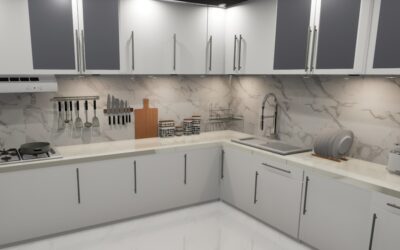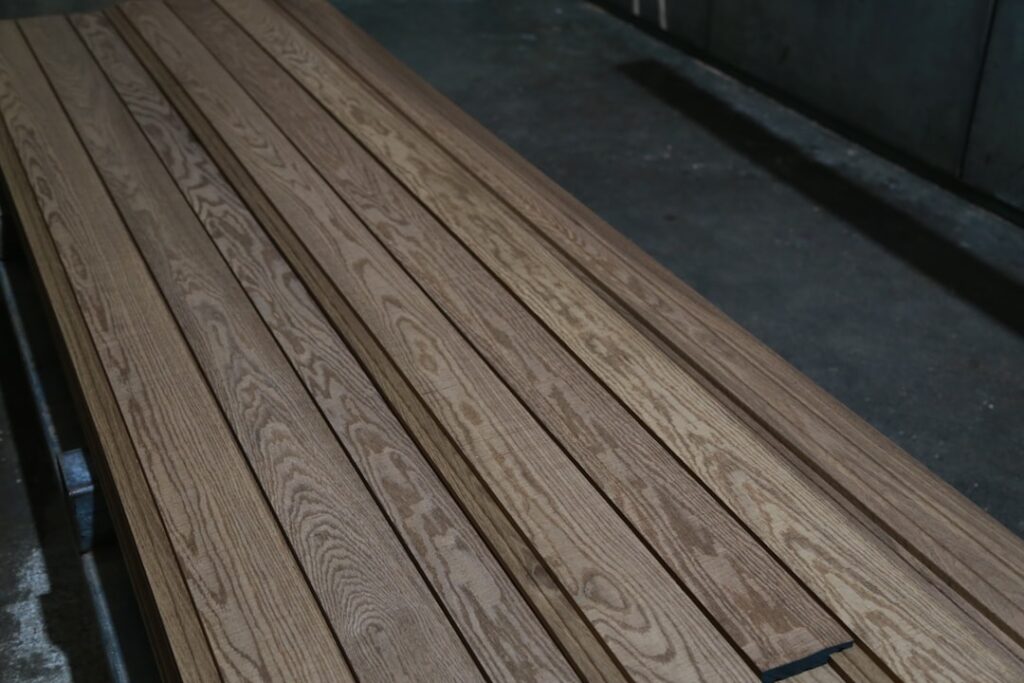
Vinyl has become the number one flooring choice for kitchens in American homes, and the reasons are compelling. It is 100% waterproof, comfortable to stand on for long periods, available in designs that convincingly replicate hardwood and stone, easy to install, and affordable enough to redo when your style preferences change. No other flooring material checks every box that a kitchen floor requires quite like vinyl does.
Part of our Kitchen Remodeling guide — explore the full guide →
This guide covers the key decisions you need to make when choosing vinyl for your kitchen: LVP versus sheet vinyl, the best designs and styles, installation options, long-term maintenance, and realistic cost expectations.
Why Vinyl Dominates Kitchen Flooring
Kitchens present a unique combination of challenges that most flooring materials cannot handle completely. Water splashes from the sink, spills from cooking, dropped food, heavy appliance traffic, and extended standing time all happen daily. The ideal kitchen floor must be waterproof, comfortable, durable, easy to clean, and attractive enough to complement the most used room in the house.
Hardwood looks beautiful in kitchens but swells, warps, and stains when exposed to water. Tile is waterproof and durable but hard and cold underfoot, with grout lines that trap food and require maintenance. Laminate is affordable and attractive but most laminate products cannot handle the moisture levels in a kitchen. Vinyl is the only mainstream flooring material that addresses every kitchen requirement without a significant trade-off.
While you’re upgrading the kitchen floor, it might be a good time to rethink the seating too. Swapping out old bar stools is one of those small changes that makes the whole room feel more pulled together.
We may earn a commission when you purchase through our links.
LVP vs Sheet Vinyl for Kitchens
Vinyl kitchen flooring comes in two primary formats, and choosing between them is your first major decision.
Luxury Vinyl Plank (LVP)
LVP consists of individual planks (typically 6 to 9 inches wide and 36 to 72 inches long) that click together using an interlocking system. The planks float over the existing subfloor without adhesive. LVP with an SPC (stone polymer composite) or WPC (wood polymer composite) core provides excellent rigidity, dimensional stability, and waterproof performance.
Advantages for kitchens:
- Realistic wood-look and stone-look designs with textured surfaces
- Easy DIY installation (click-lock, no adhesive)
- Individual damaged planks can be replaced
- Thicker construction (4mm to 8mm) provides better sound dampening and comfort
- Available with attached pad for additional underfoot comfort
Considerations:
- Seams between planks can allow water to reach the subfloor if flooding occurs (though the planks themselves are waterproof)
- Requires a reasonably flat subfloor for proper installation
- Higher cost than sheet vinyl
Sheet Vinyl
Sheet vinyl comes in large rolls (typically 6 or 12 feet wide) that are cut to fit the room and either loose-laid, perimeter-adhered, or fully adhered to the subfloor. A single sheet covers the entire kitchen floor with minimal or no seams.
Advantages for kitchens:
- Truly seamless surface in rooms narrower than the roll width
- Superior waterproof performance because water has no seams to penetrate
- Softer and more cushioned than LVP (especially fiberglass-backed sheet vinyl)
- Lower cost per square foot
- Can be installed over slightly uneven subfloors
Considerations:
- Less realistic appearance compared to premium LVP
- Professional installation recommended for best results (especially for seaming)
- Cannot replace individual sections if damaged
- May telegraph subfloor imperfections over time
Which Is Better for Your Kitchen?
For most homeowners, LVP is the preferred choice because of its superior aesthetics, easier DIY installation, and the ability to replace individual planks if damage occurs. Sheet vinyl is the better option when budget is the primary concern, when superior waterproofing is critical (near dishwashers or in flood-prone homes), or when the subfloor is not flat enough for click-lock planks.
Best Vinyl Designs for Kitchens
Wood-Look Vinyl
Wood-look vinyl is by far the most popular choice for kitchen floors. It gives you the warm, natural appearance of hardwood with complete waterproof protection. The most popular kitchen wood-look styles include white oak (natural or light gray stain), hickory (for rustic kitchens), maple (clean and contemporary), and reclaimed or weathered wood looks (for farmhouse-style kitchens).
When selecting wood-look vinyl for a kitchen, pay attention to the embossing. Embossed-in-register (EIR) products align the surface texture with the printed grain pattern, so the texture you feel under your feet matches what you see. This creates the most realistic appearance and is worth the modest price premium over flat-textured alternatives.
Stone-Look Vinyl
Stone-look vinyl tiles or planks replicate marble, travertine, slate, and concrete with increasing realism. In kitchens with white or gray cabinetry, a marble-look vinyl floor creates a high-end appearance without the maintenance and cost of natural marble. Concrete-look vinyl complements industrial and modern kitchen designs.
Stone-look vinyl is available in both plank format (rectangular pieces mimicking large stone tiles) and square tile format (typically 12×24 or 18×18 inches). Square tiles tend to look more authentic for stone patterns because they match the proportions of real stone tile installations.
Encaustic and Pattern Vinyl
Patterned vinyl tiles that mimic encaustic cement tiles, geometric patterns, or moroccan-inspired designs can create a dramatic kitchen floor with personality. These designs work best in smaller kitchens where the pattern creates impact without overwhelming the space. Sheet vinyl is particularly good for patterned designs because it eliminates the alignment issues that can occur with individual patterned tiles.
Comfort for Standing
One of vinyl’s most underappreciated advantages in kitchens is comfort during extended standing. Cooking, meal prep, and cleanup can keep you on your feet for hours, and the floor surface makes a significant difference in fatigue and joint stress.
Vinyl is inherently warmer and softer underfoot than tile, stone, or concrete. LVP products with attached pad (typically 1mm to 2mm of cork or IXPE foam) provide even more cushioning. WPC-core LVP tends to be slightly softer and warmer than SPC-core LVP because the wood-polymer composite has more give than the stone-polymer composite.
Sheet vinyl, particularly fiberglass-backed varieties, offers the most cushioning of any hard-surface flooring. The flexible construction and built-in backing absorb impact and insulate against cold subfloors. For homeowners who spend significant time cooking and experience foot or back pain from hard floors, sheet vinyl provides the most comfort per dollar.
If you still experience fatigue on vinyl, anti-fatigue mats in front of the sink, stove, and primary prep areas provide additional relief without replacing the flooring.
Waterproof Performance in Kitchens
Both LVP and sheet vinyl are waterproof materials, meaning the vinyl itself will not absorb water, swell, warp, or degrade from moisture exposure. However, how they perform as a complete flooring system in a kitchen varies.
Sheet vinyl with minimal or no seams provides the most complete waterproof barrier because there are virtually no gaps for water to penetrate. Even if water from a dishwasher leak pools on a sheet vinyl floor for hours, it stays on the surface where it can be mopped up.
LVP click-lock floors have seams between every plank. While the click-lock joints are tight and resist casual water exposure (splashes, spills, mopping), standing water from a major leak can eventually find its way through seams to the subfloor below. For this reason, it is important to address dishwasher and refrigerator water line leaks promptly regardless of your flooring type.
Some premium LVP products feature sealed or waterproof click joints that provide enhanced seam protection. If waterproof performance is a top priority for your kitchen, look for products that specifically advertise waterproof joints rather than just waterproof planks. Learn more about waterproof options in our waterproof flooring guide.
Installation in Kitchens
LVP Installation
LVP click-lock installation in a kitchen is a manageable DIY project for most homeowners. The planks click together without adhesive and float over the subfloor. The main challenges in a kitchen installation are cutting around the island, fitting under toe kicks, and handling the transition at the dishwasher (which needs clearance to slide in and out).
Plan your layout to minimize narrow plank cuts along walls and to avoid centering seams in high-visibility areas. Start the first row against the most visible wall and work toward the less visible side. Most LVP installations in a kitchen can be completed in one to two days.
Remove the baseboards before installation and replace them after to cover the expansion gap at the perimeter. If removing baseboards is not practical, shoe molding or quarter-round added over existing baseboards covers the gap.
Sheet Vinyl Installation
Sheet vinyl installation in a kitchen is more challenging than LVP, primarily because the large, unwieldy rolls must be cut precisely to fit around cabinets, islands, and appliances. Professional installation is recommended for kitchens with complex layouts.
For a simple rectangular kitchen, sheet vinyl can be loose-laid (held in place by gravity and baseboards) or perimeter-adhered (adhesive applied only along the edges and at seams). Full-adhesive installation provides the most secure result and is recommended for kitchens where heavy appliances are rolled across the floor.
Maintenance
Vinyl kitchen floors are among the easiest flooring surfaces to maintain. Here is a practical maintenance routine:
Daily: Sweep or vacuum (use a hard-floor setting without the beater bar) to remove crumbs, grit, and debris. Kitchen floors accumulate food particles quickly, and grit ground under shoes can scratch the vinyl wear layer over time.
Weekly: Damp mop with warm water and a mild, pH-neutral floor cleaner. Avoid excessive water, especially with LVP click-lock floors. Wring the mop well so it is damp, not dripping.
As needed: Clean spills immediately, especially oil, grease, and acidic foods like tomato sauce or citrus juice. While vinyl resists staining, some substances can leave marks if left for extended periods. Use a damp cloth and mild cleaner for spot cleaning.
Avoid: Steam mops (the heat can damage vinyl and loosen adhesive), abrasive cleaners or scrub pads, ammonia-based cleaners, and “mop and shine” products that leave a buildup on the surface.
Protect: Place felt pads under furniture legs and appliance feet to prevent scratching and indentation. Use a mat under the refrigerator to protect against moisture from the drip pan. Place a rug or mat inside the entry door to reduce grit tracked in from outside.
Cost of Vinyl Kitchen Flooring
Vinyl is one of the most affordable kitchen flooring options at every quality level:
- Sheet vinyl (basic): $0.75 to $2.00 per sq ft material, $1 to $2 per sq ft installation
- Sheet vinyl (premium fiberglass-backed): $2.00 to $4.00 per sq ft material, $1.50 to $2.50 per sq ft installation
- LVP (entry level): $2.00 to $3.50 per sq ft material, DIY installation
- LVP (mid range): $3.50 to $5.50 per sq ft material, DIY or $1.50 to $2.50 per sq ft installation
- LVP (premium): $5.50 to $8.00 per sq ft material, DIY or $2 to $3 per sq ft installation
For a typical 150-square-foot kitchen, here are estimated total costs:
- Budget option (basic sheet vinyl, professionally installed): $300 to $600
- Mid-range option (mid-range LVP, DIY installed): $525 to $825
- Premium option (premium LVP, professionally installed): $1,125 to $1,650
Compare these costs to tile ($1,500 to $3,500 for the same kitchen) or hardwood ($2,000 to $4,000) and the value proposition of vinyl becomes clear.
Vinyl vs Other Kitchen Flooring Options
While vinyl is the top kitchen flooring choice, here is how it compares to the main alternatives:
Vinyl vs tile: Tile is more durable long-term and offers a broader design range, but it is cold, hard underfoot, requires grout maintenance, and costs 2-3x more installed. Vinyl wins on comfort, cost, and ease of installation.
Vinyl vs hardwood: Hardwood offers a warmer, more authentic look and higher resale value, but it cannot handle kitchen moisture without risk of damage. Vinyl wins on waterproof performance and cost.
Vinyl vs laminate: Laminate offers similar aesthetics at a similar price, but most laminate is not waterproof and swells when exposed to water. Vinyl wins on waterproof performance.
Vinyl vs linoleum: Linoleum is a natural, eco-friendly material with excellent durability, but it requires regular sealing, has limited design options, and is harder to find and install. Vinyl wins on variety, maintenance, and availability.
For comprehensive comparisons and buying guidance, visit our vinyl flooring guide and LVP flooring guide.
Prefer to explore on your own?
See how new flooring looks in your actual room in seconds — free, no signup.
Try the free Floor Studio →