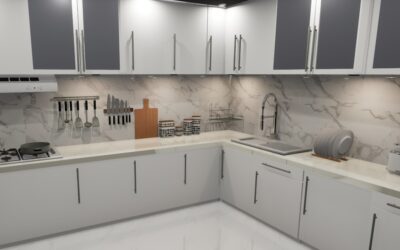
Laminate cabinets are the workhorse of budget-friendly kitchen and bath renovations, delivering a clean, modern look at a fraction of the price of solid wood. A thin layer of decorative laminate, bonded over a particleboard or MDF core, creates a smooth, easy-to-clean surface that resists stains, moisture, and everyday wear. They are not the right choice for every kitchen, but for many homeowners they hit the sweet spot of durability, style, and cost. This guide covers the types, pricing, care, and trade-offs.
Part of our Kitchen Remodeling guide — explore the full guide →
What Laminate Cabinets Are
Laminate is a manufactured surface made by fusing layers of paper and resin under heat and pressure, then bonding the result to a substrate. With cabinets, that laminate skin covers the doors, drawer fronts, and sometimes the boxes. The substrate underneath is usually particleboard, MDF, or plywood. The laminate layer is what you see and touch, and modern printing makes it available in solid colors, high-gloss finishes, and convincing wood-grain and stone looks.
Types of Laminate Cabinets
Not all laminate is created equal, and the difference shows in durability and price.
- High-pressure laminate (HPL): thicker and tougher, made under high heat and pressure, then glued to the substrate. The most durable and impact-resistant laminate option.
- Low-pressure laminate (LPL): also called melamine, fused directly to the board. More affordable but less resistant to chips and scratches.
- Thermofoil: a vinyl film vacuum-formed over MDF. Seamless and easy to clean, available in glossy and matte, but it can peel or delaminate near heat sources like ovens.
What Laminate Cabinets Cost
Cost is the headline advantage. Laminate cabinets typically run about $100 to $300 per linear foot installed, compared with $500 or more per linear foot for custom solid wood. For an average kitchen, that can mean a difference of several thousand dollars. Stock and semi-custom laminate cabinet lines from home centers and cabinet makers keep the budget low, while custom laminate work in specialty colors or high-gloss finishes costs more but still undercuts hardwood.
Pros of Laminate Cabinets
Beyond price, laminate brings practical strengths. The nonporous surface wipes clean easily and resists stains, moisture, and fading, which suits busy kitchens and humid bathrooms. It comes in a huge range of colors and patterns, including trendy high-gloss and matte slab styles that look distinctly modern. Quality HPL is genuinely durable, shrugging off the scratches and dents that mark softer wood. And because the color runs across the whole sheet, laminate stays consistent without the natural variation that some homeowners dislike in wood.
Cons to Weigh
Laminate has real limitations. The biggest is that it generally cannot be repaired or refinished. A deep scratch, a chip, or a peeling edge usually means replacing the door, since you cannot sand and refinish laminate the way you can wood. Excessive heat and steam, especially near ovens and dishwashers, can cause some laminates, particularly thermofoil, to loosen, bubble, or peel over time. Water that penetrates a damaged edge can swell the particleboard core. And while wood-look laminates have improved, a discerning eye, and some buyers, can still tell it is not real wood, which may affect resale appeal in higher-end homes.
Cleaning and Maintenance
Care is refreshingly simple. Wipe the surface with a soft cloth and a mild dish-soap solution or a gentle all-purpose cleaner, then dry it to avoid streaks. Skip abrasive pads, scouring powders, and harsh solvents, which can dull or scratch the finish. Clean up grease and food splatters promptly, and pay attention to the edges and seams where doors meet, drying any standing water so it cannot seep into the substrate. Avoid letting steam from a kettle or dishwasher vent blow directly onto laminate doors for long periods.
Refacing and Updating Options
If your existing laminate cabinets are structurally sound but dated, refacing is a budget-conscious refresh. You can apply new laminate or thermofoil doors and drawer fronts over the existing boxes, or use peel-and-stick laminate sheets and specialty cabinet paint formulated for slick surfaces to change the color. Proper prep is essential: clean, lightly scuff-sand, and prime with a bonding primer so paint or adhesive grips the nonporous surface. Done right, refacing transforms a kitchen for a few hundred dollars instead of a full replacement.
Where Laminate Cabinets Work Best
Laminate shines in specific situations. It is a natural fit for modern and contemporary kitchens, where flat-slab doors and high-gloss or matte finishes look intentional and current rather than budget. It is also ideal for rentals, starter homes, basements, laundry rooms, garages, and home offices, where durability and cost matter more than premium materials. Bathrooms benefit from laminate’s moisture resistance, provided the edges are well sealed and not exposed to constant standing water. If you want a bold color, like deep navy, forest green, or crisp white gloss, laminate delivers it consistently and affordably across the whole run.
Buying and Quality Tips
Not all laminate cabinets are built the same, so look past the door finish to the construction. Check the core material; plywood boxes resist moisture and hold screws better than particleboard. Inspect the edges, since exposed or poorly bonded edges are where peeling and water damage start, so favor cabinets with tightly sealed or PVC-edge-banded doors. Choose high-pressure laminate over melamine for high-use areas, confirm the drawer glides and hinges are quality hardware, and ask about the warranty. A slightly higher upfront cost for HPL and plywood construction pays off in cabinets that look good and stay intact for years rather than developing chips and swollen edges early.
Laminate vs. Wood: The Bottom Line
Choose laminate cabinets if you want a durable, low-maintenance, modern look on a tighter budget and you value stain and moisture resistance over the ability to refinish. Choose solid wood if you want maximum longevity, repairability, and resale prestige and are willing to pay for it. For most everyday kitchens and rental or starter-home renovations, quality high-pressure laminate cabinets deliver excellent value and years of reliable service.
If you are renovating on a budget, consider a hybrid approach: pair laminate cabinet boxes and doors with an upgraded countertop and quality hardware. Spending where it shows most, on a durable counter, a stylish backsplash, and good-looking knobs and pulls, lets affordable laminate cabinets read as a far more expensive kitchen than the price tag suggests. This is exactly how many designers stretch a modest renovation budget while keeping the result attractive and built to last.
Prefer to explore on your own?
See how new flooring looks in your actual room in seconds — free, no signup.
Try the free Floor Studio →