Laminate glass, more precisely called laminated safety glass, is made by permanently bonding two or more panes of glass together with a thin plastic interlayer in between. That hidden layer is what gives a windshield, a storefront window, or a glass railing its remarkable ability to stay together even when the glass itself breaks.
Understanding laminate glass helps you make smart choices about safety, sound, and security wherever glass appears in your home or vehicle. This guide explains how it is built, why it behaves the way it does, and the many places it is used.
What Laminated Glass Is Made Of
At its core, laminated glass is a sandwich. Two layers of glass surround an interlayer, most commonly polyvinyl butyral, known as PVB. The assembly is heated and pressed under controlled pressure so the interlayer bonds tightly to each pane, creating a single unified panel.
Some applications use other interlayer materials, such as ethylene-vinyl acetate or specialized ionoplast films that add stiffness and strength for structural uses. The number and thickness of the glass layers can also vary, allowing manufacturers to tune a panel for everything from a basic window to a high-security barrier.
Why It Holds Together When It Breaks
The defining feature of laminated glass is its behavior on impact. When ordinary annealed glass breaks, it falls apart into sharp shards. When laminated glass breaks, the plastic interlayer holds the broken fragments in place, leaving a cracked but intact panel rather than a shower of dangerous pieces.
This is exactly why automotive windshields are laminated. In a collision, the glass may craze and crack, but it stays bonded to the interlayer and remains in the frame, helping protect occupants and supporting the airbag. The same principle protects people from falling glass in buildings during storms or accidents.
Laminated Glass vs. Tempered Glass
Both are considered safety glass, but they work differently. Tempered glass is heat-treated so it shatters into small, relatively blunt cubes when broken, reducing the risk of serious cuts. Laminated glass does not shatter apart at all; it holds the fragments together on the interlayer.
- Tempered glass: Strong against impact, breaks into small granules, but the whole pane fails at once and the opening is left exposed.
- Laminated glass: Stays intact when cracked, continues to provide a barrier, and offers better sound and UV control.
- Combined products: Some high-performance panels are both tempered and laminated for maximum strength and retention.
Key Benefits of Laminate Glass
Safety is the headline advantage, but laminated glass offers several other benefits that make it valuable around the home and in commercial settings:
- Sound reduction: The interlayer dampens vibration, making laminated glass noticeably quieter than a single pane against street noise, traffic, and aircraft.
- UV protection: Quality PVB interlayers block a large share of ultraviolet light, helping protect furniture, flooring, and artwork from fading.
- Security and forced-entry resistance: Because the panel resists penetration even after cracking, it slows down intruders and is harder to break through than standard glass.
- Storm and impact performance: Hurricane-rated laminated glass is designed to withstand wind-borne debris and keep the building envelope intact.
Where Laminated Glass Is Used
You encounter laminated glass far more often than you might think. The most familiar example is the automotive windshield, where it has been standard for decades because of its life-saving fragment retention.
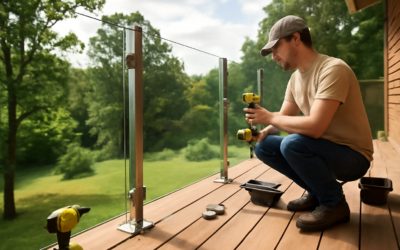
In buildings, laminated glass appears in skylights and overhead glazing, where a falling shard would be dangerous, and in glass floors, stair treads, balustrades, and railings that must stay safe even if cracked. It is also widely used in storefronts, security glazing for banks and government buildings, sound-control windows near highways and airports, and hurricane-resistant windows in coastal regions.
Cutting, Installation, and Handling
Laminated glass cannot be cut like a single pane. Because of the bonded interlayer, fabrication is done by professionals who score and separate both glass surfaces and then sever the interlayer, or who order panels cut to size at the factory. For homeowners, this means laminated glass should be measured and ordered to final dimensions rather than trimmed on site.
Installation also calls for proper framing and glazing techniques suited to the panel’s weight and thickness. Laminated units are heavier than equivalent single panes, so window and railing systems must be designed to support them. For safety-critical uses like railings, skylights, and storm windows, hire a qualified glazier and confirm the product meets the relevant local building codes and safety standards.
Cost and Value Considerations
Laminated glass typically costs more than standard or even tempered glass because of the extra material and manufacturing steps. The exact price depends on size, thickness, interlayer type, and whether the panel is also tempered or rated for storms, so treat any figure as a rough estimate and request quotes for your specific project.
For many homeowners, the added cost is justified by quieter rooms, reduced fading, greater security, and the peace of mind that comes from glass that holds together when it breaks. In storm-prone or noisy locations, those benefits often outweigh the premium.
Caring for Laminated Glass
Laminated glass is easy to maintain with routine cleaning, but the edges deserve special attention. The exposed edge of the interlayer can be vulnerable to prolonged moisture, which over many years may cause clouding or delamination at the perimeter if water sits against it. For this reason, properly sealed framing and good drainage matter, especially in showers, skylights, and exterior applications.
For everyday cleaning, use a soft cloth and a non-abrasive glass cleaner, and avoid harsh solvents or razor blades that could scratch coatings. If you notice bubbling, hazing, or peeling along an edge, have a glazier inspect it, since edge delamination can sometimes be addressed before it spreads across the panel.
Is Laminate Glass Right for Your Project
If safety, sound control, UV protection, or security matter for a particular opening, laminated glass is one of the strongest options available. It is the clear choice for skylights, railings, glass floors, and any spot where falling or shattering glass would pose a hazard.
Weigh the higher cost against the real-world benefits, confirm the product is rated for your intended use, and rely on qualified professionals for cutting and installation. Chosen well, laminated glass delivers safety and comfort that ordinary glass simply cannot match.
Prefer to explore on your own?
See how new flooring looks in your actual room in seconds — free, no signup.
Try the free Floor Studio →