
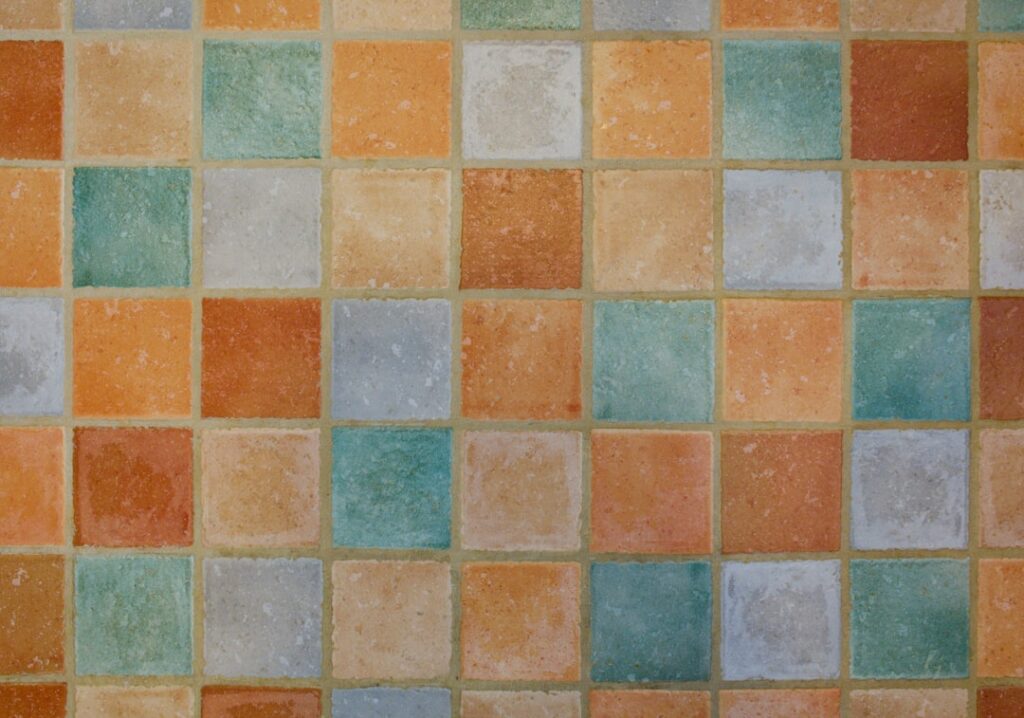
Laminate tiles give you the elegant appearance of ceramic, porcelain, marble, or stone flooring without the cold feel, difficult installation, or premium price tag. Thanks to advances in digital printing and embossing technology, modern laminate tiles replicate natural tile patterns with impressive realism while delivering the warmth, affordability, and DIY-friendliness that have made laminate one of the most popular flooring categories in the world.
Part of our Tile & Grout guide — explore the full guide →
This guide covers everything you need to know about laminate tiles—from how they are made and where to install them to top brands and honest comparisons with real tile.
What Are Laminate Tiles?
Laminate tiles are laminate flooring products designed to look like ceramic, porcelain, natural stone, or concrete tiles. They share the same four-layer construction as all laminate flooring:
- Wear layer: A clear aluminum oxide coating that protects against scratches, fading, and stains. Rated by Abrasion Class (AC) from AC1 to AC5.
- Decorative layer: A high-resolution photographic print that replicates the look of tile, stone, marble, slate, or concrete.
- Core layer: High-density fiberboard (HDF) that provides structural strength and stability.
- Backing layer: A moisture-resistant balancing layer that prevents warping.
Laminate tiles come in square or rectangular formats that mimic standard tile dimensions. Some even include simulated grout lines molded into the surface or between planks for added realism. For a complete overview of laminate flooring, see our laminate flooring guide.
Benefits of Laminate Tiles
Warmer and Softer Than Real Tile
Real ceramic and porcelain tiles are cold and hard underfoot. Laminate tiles, built on an HDF core, feel warmer and have slight give that reduces fatigue. This makes them more comfortable for kitchens, living rooms, and bedrooms where you spend time standing or walking barefoot.
Affordable
Laminate tiles typically cost 50 to 70 percent less than equivalent-looking real tile, especially when you factor in installation. The click-lock system eliminates the need for thin-set mortar, grout, and specialized tiling tools.
Easy DIY Installation
Click-lock or fold-down installation requires no adhesive, no mortar, and no wet work. A basic toolkit (saw, tapping block, pull bar, spacers) is all you need. Most rooms can be completed in a day.
Realistic Appearance
Modern digital printing creates incredibly detailed stone and tile visuals—including natural veining, grain variation, and color depth. Embossed textures add tactile realism that you can feel underfoot.
Durable and Scratch-Resistant
The aluminum oxide wear layer resists scratches from pet claws, chair legs, and foot traffic. Quality laminate tiles rated AC3 or higher handle residential use with ease.
Easy Maintenance
No grout to clean, seal, or maintain. Sweeping and damp-mopping with a laminate-safe cleaner is all that is needed. The smooth, sealed surface resists stains and does not harbor bacteria.
Popular Laminate Tile Styles
Marble-Look Laminate
White and gray marble patterns with realistic veining bring luxury to living rooms, entryways, and bedrooms. The high-gloss or matte-finish options replicate polished or honed marble surfaces without the maintenance concerns of real marble.
Slate-Look Laminate
Textured laminate that mimics the rugged, natural appearance of slate. Dark grays, charcoals, and earth tones work well in modern and rustic interiors. The embossed surface texture adds convincing depth.
Travertine-Look Laminate
Warm, creamy travertine patterns with natural pitting and tonal variation. Ideal for Mediterranean and transitional design schemes. Laminate eliminates the sealing and filling requirements of real travertine.
Concrete-Look Laminate
Smooth, minimalist concrete-effect laminate tiles suit industrial and contemporary interiors. Available in light gray, charcoal, and warm-toned variants. For actual concrete floors, see our concrete flooring guide.
Ceramic/Porcelain-Look Laminate
Classic ceramic tile patterns—including subway, hexagonal, and Moroccan-inspired designs—reproduced on laminate. Some products include realistic grout-line embossing between tiles.
Where to Install Laminate Tiles
Best Rooms for Laminate Tiles
- Living rooms: Warmer and more comfortable than real tile for primary living spaces.
- Bedrooms: The softer surface is more pleasant underfoot than cold stone or ceramic.
- Home offices: Provides a clean, professional look with easy chair-rolling capability.
- Dining rooms: Handles chair movement and food spills with ease.
- Entryways: Durable wear layer handles foot traffic and dirt.
Rooms to Use With Caution
- Kitchens: Standard laminate is not waterproof, and kitchens see frequent water exposure. If you want laminate in the kitchen, choose a waterproof laminate product with a sealed core. Alternatively, vinyl flooring or LVP flooring provide waterproof options with similar looks.
- Bathrooms: Not recommended for full bathrooms unless the laminate is specifically rated as waterproof. Tile flooring and vinyl are better bathroom choices.
- Basements: Moisture from concrete slabs can damage standard laminate. Use waterproof laminate or SPC flooring for basement installations.
Laminate Tiles vs. Real Tile: Honest Comparison
- Water resistance: Real tile is waterproof; standard laminate is not. Waterproof laminate closes this gap but still costs more than standard laminate.
- Durability: Real tile is harder and more scratch-resistant. Laminate is durable for residential use but cannot match porcelain’s longevity.
- Comfort: Laminate wins—warmer, softer, and less fatiguing to stand on.
- Installation: Laminate is far easier and faster—no mortar, no grout, no wet saw.
- Cost: Laminate tiles cost significantly less for both materials and installation.
- Maintenance: Laminate requires less maintenance—no grout sealing or deep cleaning of grout lines.
- Resale value: Real tile adds more perceived value, especially in kitchens and bathrooms.
- Lifespan: Real tile lasts 50+ years; laminate lasts 15 to 25 years.
Installation Guide for Laminate Tiles
Tools and Materials
- Laminate tiles (plus 10% extra for waste)
- Underlayment (unless attached to the laminate)
- Spacers (1/4 inch)
- Tapping block and rubber mallet
- Pull bar
- Miter saw or jigsaw
- Tape measure and pencil
- Utility knife
Step 1: Prepare the Subfloor
The subfloor must be clean, dry, and flat (within 3/16 inch over 10 feet). Remove old flooring if necessary. Fill low spots with leveling compound and sand high spots. Over concrete, install a 6-mil polyethylene vapor barrier.
Step 2: Install Underlayment
Roll out foam or cork underlayment, butting seams together and taping them. If your laminate tiles have attached underlayment, skip this step.
Step 3: Plan the Layout
Measure the room and calculate border tile widths. Adjust the starting position so border tiles on opposite walls are roughly equal and no narrower than half a tile.
Step 4: Install the Tiles
Start along the longest wall with spacers maintaining the expansion gap. Click tiles together end-to-end within each row, then lock the long edge into the previous row. Use a tapping block to close joints and a pull bar for the last tile in each row.
Step 5: Cut and Finish
Cut tiles with a miter saw for straight cuts or a jigsaw for curves. Install transition strips at doorways. Replace baseboards and add shoe molding to cover expansion gaps.
Cost of Laminate Tiles
- Budget laminate tiles: $1.00 to $2.00 per square foot
- Mid-range laminate tiles: $2.00 to $4.00 per square foot
- Premium/waterproof laminate tiles: $3.50 to $6.00 per square foot
- Underlayment: $0.25 to $0.75 per square foot
- Professional installation: $2.00 to $4.00 per square foot
Maintenance Tips
- Sweep or vacuum regularly to remove grit that can scratch the wear layer.
- Damp-mop with a laminate-specific cleaner. Never use excessive water—wring the mop thoroughly.
- Wipe up spills immediately to prevent moisture from seeping into seams.
- Use felt pads under furniture legs and area rugs in high-traffic zones.
- Avoid wax, polish, or steam mops, which can damage the wear layer or cause swelling.
Frequently Asked Questions
Can laminate tiles get wet?
Standard laminate tiles are water-resistant but not waterproof. They can handle brief spills if cleaned up promptly, but standing water will cause the HDF core to swell. Waterproof laminate products use sealed edges and moisture-resistant cores to provide true waterproof performance.
Do laminate tiles look fake?
Quality laminate tiles from reputable brands look remarkably realistic. The key features that enhance realism are embossed-in-register (EIR) texture, multiple pattern variations per box, and simulated grout lines. Budget products may appear less convincing.
Can you install laminate tiles in a kitchen?
Yes, with caveats. Choose a waterproof laminate rated for kitchen use, and wipe up spills promptly. For heavy-moisture kitchens, tile or LVP are safer options.
How long do laminate tiles last?
Standard laminate tiles last 15 to 25 years with proper care. Premium products with AC4 or AC5 ratings can exceed 25 years in residential settings.
Final Thoughts
Laminate tiles provide a practical, affordable way to achieve the look of natural stone, ceramic, or marble flooring without the drawbacks of cold temperatures, difficult installation, and high costs. For dry living spaces like bedrooms, living rooms, and home offices, laminate tiles deliver exceptional value. For wet areas, consider waterproof laminate or alternative materials like vinyl flooring or tile flooring.
Explore our laminate flooring guide for more on this versatile material, or compare with SPC flooring and engineered wood flooring if you want to weigh all your options.
Prefer to explore on your own?
See how new flooring looks in your actual room in seconds — free, no signup.
Try the free Floor Studio →

