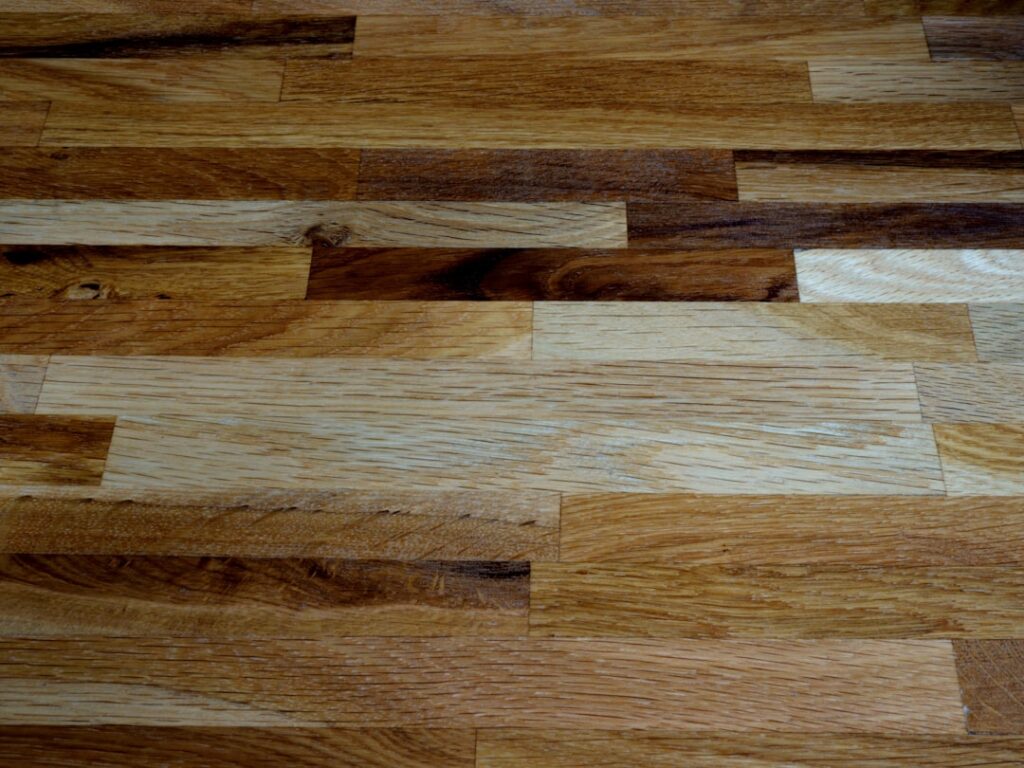
Wood tiles flooring gives you the warmth and beauty of real wood with the unmatched durability and water resistance of ceramic or porcelain tile. It is one of the fastest-growing flooring categories, and for good reason. Whether you want hardwood aesthetics in your bathroom, kitchen, or outdoor patio, wood-look tile makes it possible.
Part of our Tile & Grout guide — explore the full guide →
This comprehensive guide covers styles, materials, costs, installation, and honest pros and cons so you can decide if wood tiles flooring is right for your home.
What Is Wood-Look Tile?
Wood-look tile, also called wood tiles flooring, is ceramic or porcelain tile that is manufactured to resemble real wood planks. Advanced inkjet printing technology applies high-resolution wood grain images onto the tile surface, while textured finishing creates the raised grain patterns and knots you would expect from natural hardwood.
These tiles typically come in elongated plank shapes ranging from 6 to 10 inches wide and 24 to 48 inches long, mimicking the proportions of real wood planks. Some manufacturers also offer extra-long formats that reduce visible grout lines for an even more wood-like appearance.
Ceramic vs. Porcelain Wood Tile
Both ceramic and porcelain wood tiles exist, but porcelain is the preferred choice for most applications:
- Porcelain wood tile: Made from denser clay fired at higher temperatures, porcelain is harder, more water-resistant (absorption rate below 0.5%), and suitable for both indoor and outdoor use. It is the better option for kitchens, bathrooms, and patios.
- Ceramic wood tile: Less dense and more affordable than porcelain, ceramic works well for interior walls and low-traffic floors. It absorbs more water, so it is not recommended for outdoor use or consistently wet environments.
Popular Wood Tile Styles
Oak Look
Oak-inspired wood tiles are the most popular, available in everything from light natural oak to gray washed and dark espresso finishes. The versatile grain pattern works with virtually any decor style.
Reclaimed Wood Look
Tiles that replicate weathered, reclaimed barn wood add rustic character and charm. These typically feature exaggerated grain patterns, nail hole marks, saw marks, and varied coloring within each plank.
Walnut and Cherry Look
Rich, warm-toned wood tiles in walnut and cherry finishes bring elegance to formal dining rooms, offices, and master suites. The deep colors create a luxurious ambiance similar to solid hardwood flooring.
Whitewashed and Coastal
Light, whitewashed wood tiles create an airy, beachy aesthetic popular in coastal and Scandinavian-inspired interiors. These tiles brighten rooms and make small spaces feel larger.
Gray-Toned Wood
Gray wood tiles have dominated design trends in recent years. From silver driftwood to charcoal ash, gray tones provide a contemporary, sophisticated foundation that coordinates with both warm and cool color palettes.
Benefits of Wood Tiles Flooring
Waterproof
Unlike real wood, which swells and warps when exposed to moisture, porcelain wood tile is fully waterproof. This means you can install the hardwood look in bathrooms, kitchens, laundry rooms, basements, and even around pools where real hardwood would fail.
Extreme Durability
Porcelain wood tiles are scratch-proof, dent-proof, and fade-proof. They resist the wear from pet claws, high heels, heavy furniture, and direct sunlight that would damage real hardwood. With proper installation, wood tiles can last 50 years or more.
Low Maintenance
Wood tiles require no sanding, refinishing, or special treatments. Regular sweeping and mopping with standard tile cleaner keeps them looking new. There is no need for wax, oil, or protective coatings.
Design Consistency
Every tile in a batch maintains consistent color and quality. While natural wood varies board to board and can change color over time, wood tiles retain their original appearance indefinitely.
Allergen-Friendly
Tile surfaces do not harbor dust mites, pet dander, or mold the way carpet and some wood floors can. This makes wood tiles an excellent choice for allergy sufferers.
Drawbacks to Consider
Cold and Hard Underfoot
The biggest complaint about wood tiles is how they feel. Tile is cold in winter and unforgiving on feet and joints. Underfloor heating solves the temperature issue but adds cost. Standing on tile for extended periods in the kitchen causes more fatigue than standing on wood or vinyl.
Grout Lines
No matter how realistic the tile, grout lines reveal that it is not real wood. Minimizing this effect requires using matching grout, keeping lines narrow (1/16 to 1/8 inch), and selecting rectified tiles with precise, uniform edges.
Complex Installation
Wood tile installation requires proper substrate preparation, thinset mortar, precision cutting (tiles are hard and brittle), and grouting. It is significantly more labor-intensive than installing real wood or floating floor alternatives. Professional installation is strongly recommended.
Higher Installed Cost
While the tile itself can be affordable, the total installed cost often rivals or exceeds real hardwood due to labor-intensive installation. Budget $8 to $18 per square foot installed for quality porcelain wood tile.
Slippery When Wet
Smooth-finished wood tiles can be slippery, especially in bathrooms. Look for textured or matte-finished tiles with adequate slip-resistance ratings for wet areas.
Wood Tiles vs. Real Hardwood
- Appearance: Premium wood tiles are very convincing but lack the warmth and natural imperfections of real wood when viewed up close.
- Durability: Wood tiles win. They are scratch-proof, water-proof, and fade-proof.
- Comfort: Real hardwood is warmer and more comfortable to walk and stand on.
- Maintenance: Wood tiles require minimal care. Hardwood needs periodic refinishing.
- Cost: Comparable when installed. Wood tile $8 to $18/sqft vs. hardwood $8 to $20/sqft installed.
- Resale value: Real hardwood generally adds more resale value than tile, though wood tile in wet areas is viewed positively by buyers.
Wood Tiles vs. Luxury Vinyl Plank
Luxury vinyl plank (LVP) is another popular wood-look flooring option. Here is how it compares:
- Water resistance: Both are waterproof, but tile does not swell or degrade from prolonged moisture exposure like some vinyl can.
- Comfort: LVP is warmer and softer underfoot than tile.
- Installation: LVP clicks together in a floating installation. Much easier and cheaper to install than tile.
- Durability: Tile is harder and more scratch-resistant. LVP can dent under heavy furniture.
- Cost: LVP is cheaper to buy and install. Expect $4 to $10/sqft installed versus $8 to $18/sqft for tile.
Installation Tips for Wood Tiles
Substrate Preparation
The substrate must be perfectly flat and stable. Any flex or unevenness causes tiles to crack and grout to fail. Concrete slabs should be level within 1/8 inch over 10 feet. Plywood substrates need cement backer board installed on top.
Layout and Pattern
Lay tiles in a staggered brick pattern (offset by one-third or one-half the tile length) to mimic wood plank flooring. Avoid aligning end joints, which creates an obvious grid that breaks the wood illusion. Dry-lay several rows before applying mortar to check the pattern.
Thinset Selection
Use a large-format tile thinset mortar for wood-look tiles. These elongated planks require full mortar coverage on both the substrate and the back of the tile (back-buttering) to prevent hollow spots that lead to cracking.
Grout Color
Choose grout that closely matches the tile color to minimize grout line visibility. A slightly darker shade than the tile tends to look most natural. Use unsanded grout for lines narrower than 1/8 inch and sanded grout for wider joints.
Leveling System
Lippage (uneven tile edges) is especially noticeable with wood-look tile. Use a tile leveling system during installation to ensure every tile sits flush with its neighbors. This is critical for a realistic result.
Where to Use Wood Tiles Flooring
- Bathrooms: The top application. Get the hardwood look with zero moisture concerns.
- Kitchens: Waterproof and easy to clean around cooking areas.
- Outdoor patios: Porcelain wood tile handles weather, UV, and temperature extremes.
- Basements: Impervious to moisture from below-grade concrete slabs.
- Mudrooms and laundry rooms: Durable and waterproof in utility spaces.
- Open-plan living areas: Creates a seamless wood-look flow from living room to kitchen.
Frequently Asked Questions
Is wood-look tile going out of style?
No. Wood-look tile has been growing in popularity for over a decade, and the trend shows no signs of slowing. Advances in printing technology continue to improve realism, and the practical benefits ensure lasting demand.
What size wood tile looks most realistic?
Longer, wider planks (8×48 inches or 9×36 inches) look more realistic than shorter formats. They reduce the number of grout lines and better replicate the proportions of real wood planks.
Can wood tile be installed over radiant heating?
Yes, porcelain tile is an excellent conductor of heat and works perfectly with radiant floor heating systems. In fact, tile is one of the best flooring types for heated floors.
Final Thoughts
Wood tiles flooring is an excellent choice when you want hardwood beauty with tile durability. It excels in wet areas, high-traffic zones, and outdoor spaces where real wood cannot perform. While the installation is more involved and the floor feels harder underfoot, the longevity, water resistance, and maintenance-free nature of wood-look tile make it a worthwhile investment.
For more guidance, explore our tile flooring and hardwood flooring guides to compare all your options.
Prefer to explore on your own?
See how new flooring looks in your actual room in seconds — free, no signup.
Try the free Floor Studio →