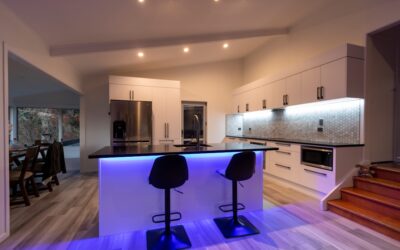
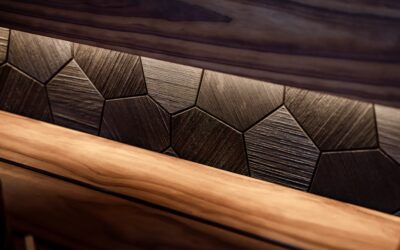
Rigid core vinyl flooring has transformed the vinyl flooring market over the past decade, replacing the thin, flexible sheets and tiles of the past with a robust, dimensionally stable product that competes with hardwood, laminate, and tile on nearly every front. If you have seen vinyl flooring in a showroom recently and been surprised by how substantial it looks and feels, you were probably looking at rigid core vinyl.
This guide explains what rigid core vinyl is, how SPC and WPC differ, the benefits over traditional flexible vinyl, the top brands worth considering, installation methods, and realistic pricing so you can determine if rigid core vinyl is the right floor for your home.
What Is Rigid Core Vinyl Flooring
Rigid core vinyl flooring is a category of luxury vinyl plank and tile that features a stiff, solid core layer beneath the decorative vinyl surface. Unlike traditional vinyl, which is flexible and conforms to imperfections in the subfloor, rigid core vinyl is engineered to be dimensionally stable, dent-resistant, and capable of bridging minor subfloor irregularities.
The rigid core is what makes these products fundamentally different from standard LVT or vinyl sheet. The core provides structural integrity that allows the flooring to be installed as a floating floor over virtually any existing hard surface, including tile, concrete, and old vinyl, without extensive subfloor preparation.
The Layer Structure
Rigid core vinyl flooring is built in layers, each serving a specific function. From top to bottom, the typical construction includes a UV-cured polyurethane or ceramic bead topcoat for scratch and stain resistance, a clear vinyl wear layer that protects the printed design from traffic, a high-resolution photographic design layer that provides the visual appearance of wood, stone, or other materials, the rigid core layer that provides structural stability and dent resistance, and an attached underlayment pad that provides cushion, sound absorption, and moisture protection.
SPC vs WPC: Understanding the Two Types
SPC (Stone Polymer Composite)
SPC flooring features a core made from a blend of limestone powder, polyvinyl chloride, and stabilizers. This combination produces an extremely dense, thin, and rigid core that is highly resistant to dents and temperature fluctuations. SPC cores are typically 3.5 to 5 millimeters thick and feel solid and substantial underfoot.
The density of SPC makes it exceptionally stable. It does not expand or contract with temperature changes the way other flooring materials do, which makes it suitable for sunrooms, enclosed porches, and rooms with large windows that experience significant temperature swings. SPC is also the most dent-resistant vinyl flooring option, handling heavy furniture, appliances, and high-heel traffic without permanent indentation.
The trade-off is that SPC feels harder underfoot than WPC. Without a thick attached pad, SPC can feel cold and unyielding, similar to tile. Most quality SPC products include an attached IXPE or cork underlayment to add some cushion, but it will never feel as soft as WPC.
WPC (Wood Polymer Composite)
WPC flooring features a core made from a blend of wood flour, polyvinyl chloride, and foaming agents. The foaming process creates a core that is thicker than SPC, typically 5.5 to 8 millimeters, but less dense. This produces a warmer, softer feel underfoot with better sound absorption than SPC.
WPC was the original rigid core vinyl format and remains popular for residential installations where comfort is a priority. The thicker core and inherent cushion make WPC an excellent choice for living rooms, bedrooms, and any space where you spend extended time standing or walking.
The disadvantage of WPC is that its lower density makes it more susceptible to denting from heavy point loads. Very heavy furniture or concentrated weight can leave permanent indentations in WPC floors. It is also slightly more sensitive to extreme temperatures than SPC, though it handles normal residential temperature ranges without issue.
Quick Comparison
SPC is thinner, denser, harder, more dent-resistant, and more temperature-stable. WPC is thicker, softer, warmer, quieter underfoot, and more comfortable for extended standing. Both are 100 percent waterproof, and both install as floating floors with click-lock systems. For kitchens, bathrooms, and commercial spaces, SPC is the better choice. For bedrooms, living rooms, and family areas, WPC offers superior comfort.
Benefits Over Flexible Vinyl
Dimensional Stability
Traditional flexible vinyl expands and contracts with temperature and humidity changes, which can cause curling, buckling, and gaps between planks or tiles. Rigid core vinyl’s stiff core eliminates this problem. The core holds its shape regardless of temperature fluctuations, which is why rigid core vinyl can be installed in rooms with direct sunlight, over radiant heat systems, and in unheated spaces like basements and garages.
Subfloor Tolerance
Flexible vinyl telegraphs every imperfection in the subfloor. A bump, crack, or dip in the substrate will show through the vinyl surface within weeks or months. Rigid core vinyl bridges minor imperfections up to a certain tolerance, typically 3/16 inch over 10 feet. This means less subfloor preparation and the ability to install over existing hard floors without removing them first.
Dent Resistance
Flexible vinyl dents easily under furniture legs, appliances, and high heels. Rigid core vinyl, particularly SPC, distributes point loads across the rigid core, dramatically reducing the risk of permanent indentation. This makes rigid core vinyl a practical choice for kitchens with heavy appliances, dining rooms with chairs, and commercial spaces with heavy foot traffic.
Realistic Appearance
Rigid core vinyl planks are thicker than flexible vinyl, which allows for deeper embossed textures and more realistic designs. The best rigid core products feature embossed-in-register textures where the surface texture aligns precisely with the printed grain pattern. This creates a look and feel that is difficult to distinguish from real wood or stone without close inspection.
Top Brands to Consider
COREtec
COREtec pioneered the WPC category and remains a leading name in rigid core vinyl. Their product lines range from the entry-level COREtec One to the premium COREtec Plus Enhanced with 20-mil wear layers and hand-scraped textures. COREtec products are known for excellent visuals, reliable click-lock systems, and comprehensive warranties. Their patented core construction includes a cork-backed underlayment that provides exceptional sound absorption.
Shaw Floorte
Shaw is one of the largest flooring manufacturers in the world, and their Floorte line covers both SPC and WPC options at multiple price points. The Floorte Pro series targets commercial and high-traffic residential applications with SPC cores and 20-mil wear layers. The standard Floorte line offers more affordable options with 12-mil wear layers suitable for moderate residential traffic.
Mohawk RevWood and SolidTech
Mohawk offers rigid core vinyl under their SolidTech brand. These products feature their proprietary UniClic locking system and are available in both SPC and WPC constructions. Mohawk’s dealer network is extensive, making their products easy to find in most markets.
LifeProof
Available exclusively at Home Depot, LifeProof is a popular budget-to-midrange rigid core vinyl brand. Their SPC-based products offer solid performance at competitive prices and are readily available for immediate purchase. The wear layers range from 6 to 22 mils depending on the product line. LifeProof is a strong choice for DIYers due to its wide availability and straightforward installation.
Karndean
Karndean is a premium brand known for exceptional design realism and unique formats. Their Korlok and Van Gogh lines feature rigid core construction with some of the most convincing wood and stone visuals in the market. Karndean products are sold through specialty flooring retailers and command higher prices, but the quality justifies the investment for design-conscious homeowners.
Installation Methods
Floating Click-Lock Installation
The vast majority of rigid core vinyl flooring is installed as a floating floor using a click-lock system. Planks snap together along their long and short edges without glue or fasteners. The assembled floor rests on the subfloor under its own weight, with expansion gaps of one-quarter inch maintained around the perimeter to allow for minor movement.
This installation method is DIY-friendly and relatively fast. An experienced DIYer can install 200 to 300 square feet per day. The floating method works over concrete, plywood, existing tile, and existing vinyl, provided the surface is reasonably flat, clean, and dry.
Glue-Down Installation
Some rigid core vinyl products are available in glue-down formats, primarily for commercial applications where maximum stability is required. Glue-down installation uses a pressure-sensitive adhesive applied to the subfloor. This method eliminates any hollow sound underfoot and provides the most secure bond, but it requires more subfloor preparation and is more labor-intensive than floating installation.
Subfloor Preparation
While rigid core vinyl is more forgiving of subfloor imperfections than flexible vinyl, proper preparation is still important. The subfloor should be flat to within 3/16 inch over a 10-foot span. High spots should be ground down and low spots filled with a leveling compound. The surface must be clean, dry, and free of debris. On concrete, a moisture test should confirm that the slab’s moisture levels are within the flooring manufacturer’s specifications.
Pricing and Cost Breakdown
Material Costs
Rigid core vinyl flooring ranges from $2 to $7 per square foot for the material alone, depending on the brand, wear layer thickness, and visual quality. Budget SPC products with 6 to 12-mil wear layers start at $2 to $3 per square foot. Mid-range products with 12 to 20-mil wear layers run $3.50 to $5.50 per square foot. Premium brands like COREtec and Karndean with 20-mil-plus wear layers range from $5 to $7 per square foot or more.
Installation Costs
Professional floating installation typically costs $1.50 to $3 per square foot for labor. Glue-down installation runs $2 to $4 per square foot. Subfloor preparation, if needed, adds $1 to $2 per square foot. Removal of existing flooring adds $1 to $3 per square foot depending on the material being removed.
Total Project Estimates
For a 500-square-foot room, expect total installed costs of $2,000 to $4,000 for budget products, $3,000 to $5,500 for mid-range products, and $4,500 to $7,500 for premium products. DIY installation saves the $1.50 to $3 per square foot labor cost, bringing total costs down significantly for handy homeowners.
Maintenance and Longevity
Rigid core vinyl is one of the lowest-maintenance flooring options available. Sweep or vacuum regularly to remove grit, and damp mop with a vinyl floor cleaner as needed. Avoid excessive water, steam cleaners, and abrasive cleaners. Use felt pads under furniture legs to prevent scratching, and use a mat at entry points to capture dirt before it reaches the floor.
Quality rigid core vinyl with a 20-mil wear layer can last 20 to 30 years in residential settings. Products with thinner wear layers of 6 to 12 mils have shorter lifespans of 10 to 15 years in moderate traffic areas. The rigid core itself does not wear out; it is the wear layer thickness that determines how long the floor maintains its appearance under traffic.
Rigid Core Vinyl vs Other Flooring Types
Compared to laminate flooring, rigid core vinyl offers superior waterproof performance, better sound absorption with attached pads, and easier installation. Laminate provides a slightly more realistic wood sound and feel underfoot and typically costs less at equivalent quality levels.
Compared to hardwood, rigid core vinyl costs significantly less, requires no refinishing, handles moisture without issue, and installs faster. Hardwood offers genuine natural beauty, increases home value more, and can be refinished multiple times over a 50-plus-year lifespan.
Compared to tile, rigid core vinyl is warmer underfoot, faster to install, less expensive overall, and easier to remove and replace. Tile is more scratch-resistant, more heat-resistant, and lasts essentially forever with proper maintenance.
Frequently Asked Questions
Is rigid core vinyl truly waterproof?
Yes. The core itself does not absorb water. However, water can seep through the seams between planks if it sits on the surface for extended periods. The click-lock system is tight but not hermetically sealed. Wipe up standing water promptly, and rigid core vinyl will handle everyday spills and humidity without issue.
Can I install rigid core vinyl in a bathroom?
Absolutely. Rigid core SPC vinyl is one of the best waterproof flooring options for bathrooms. The waterproof core and dimensional stability make it ideal for wet environments. Ensure proper installation with silicone sealant around toilets and tub bases for extra protection.
Does rigid core vinyl look cheap?
Not anymore. Premium rigid core vinyl products are virtually indistinguishable from real wood or stone at a casual glance. The embossed-in-register textures, high-resolution prints, and varied plank designs available today make rigid core vinyl a legitimate design choice for any home.
Final Thoughts
Rigid core vinyl flooring offers a compelling combination of durability, waterproof performance, realistic design, and value that makes it one of the most versatile flooring options on the market. Whether you choose SPC for its hardness and stability or WPC for its comfort and warmth, rigid core vinyl delivers performance that meets or exceeds far more expensive flooring materials in most residential applications.
Prefer to explore on your own?
See how new flooring looks in your actual room in seconds — free, no signup.
Try the free Floor Studio →