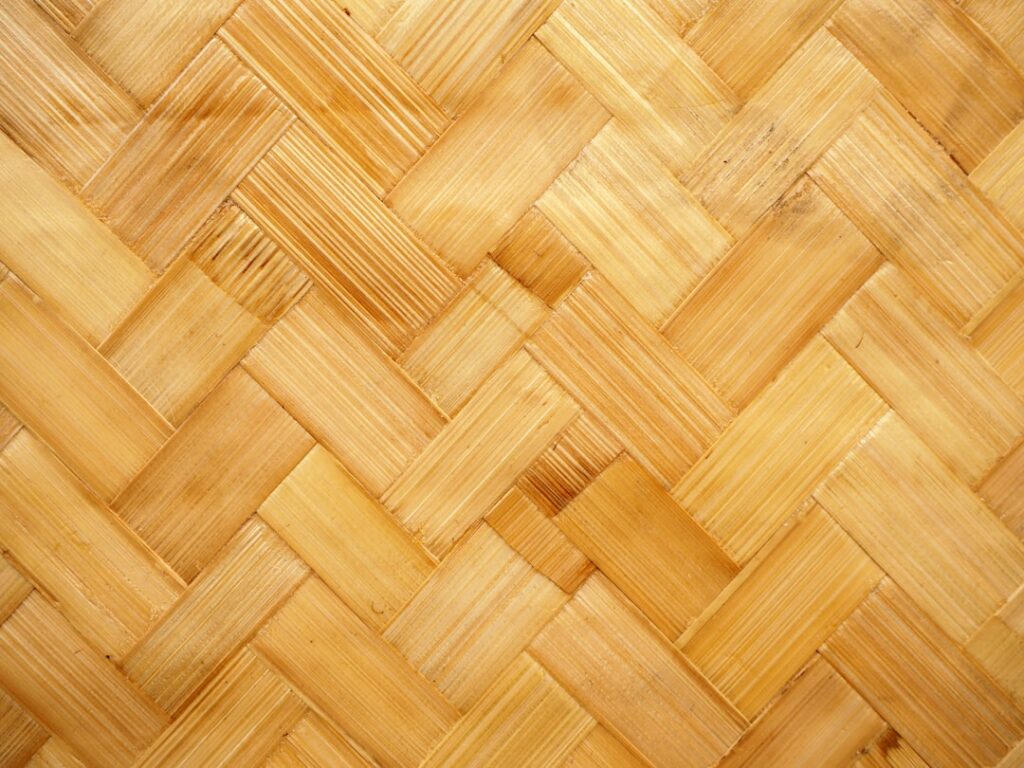
Wooden flooring tiles give you the warmth and beauty of wood with the durability and water resistance of tile. These porcelain or ceramic tiles are designed to replicate the appearance of real wood planks, right down to the grain patterns, knots, and colour variations. For rooms where real hardwood isn’t practical, wood-look tile is one of the most compelling alternatives available.
Part of our Tile & Grout guide — explore the full guide →
This guide explains how wooden flooring tiles work, where they perform best, and how to choose the right product for your home.
- What Are Wooden Flooring Tiles?
- Porcelain vs. Ceramic Wood-Look Tiles
- Benefits of Wooden Flooring Tiles
- Drawbacks of Wood-Look Tiles
- Where to Use Wooden Flooring Tiles
- How to Choose Realistic Wood-Look Tiles
- Installation Tips for Wooden Flooring Tiles
- Cost of Wooden Flooring Tiles
- Wood-Look Tile vs. Real Wood vs. Vinyl Plank
- Frequently Asked Questions
- Final Thoughts
What Are Wooden Flooring Tiles?
Wooden flooring tiles are porcelain or ceramic tiles manufactured to look like natural wood. Using advanced inkjet printing technology, manufacturers apply high-resolution wood grain images onto tile surfaces, then add textured finishes that simulate the feel of real wood. The result is a tile that looks remarkably like wood from normal viewing distances.
These tiles are typically produced in plank formats (6×24, 6×36, 8×48, or 10×60 inches) that mimic the dimensions of real wood planks. They’re installed using the same methods as any other tile, with thin-set mortar and grout.
Porcelain vs. Ceramic Wood-Look Tiles
Porcelain
Porcelain wood-look tiles are fired at higher temperatures and made from denser clay, resulting in a harder, less porous product. Porcelain is the preferred choice for wooden flooring tiles because it offers:
- Lower water absorption (less than 0.5%)
- Higher durability and scratch resistance
- Suitability for outdoor use
- Better frost resistance
- Through-body colour in some products (so chips are less visible)
Ceramic
Ceramic wood-look tiles are more affordable but softer and more porous. They’re suitable for walls and light-traffic floors but may chip and wear faster than porcelain in high-traffic areas. For flooring, porcelain is the stronger investment.
Benefits of Wooden Flooring Tiles
Waterproof
Unlike real wood, porcelain tile is completely waterproof. This makes wooden flooring tiles perfect for bathrooms, kitchens, laundry rooms, mudrooms, and outdoor spaces where real wood would deteriorate.
Extremely Durable
Porcelain tile is harder than most natural wood species. It won’t scratch from pet claws, dent from furniture, or wear in traffic paths the way real wood does. A porcelain wood tile floor can easily last 30 to 50 years or more.
UV and Fade Resistant
Real hardwood changes colour with sunlight exposure. Wood-look tile maintains its appearance permanently, making it ideal for sunrooms, large windowed spaces, and outdoor patios.
Low Maintenance
Sweep and mop with any standard floor cleaner. No refinishing, no sealing (the tile itself doesn’t need sealing, though grout does), no seasonal humidity concerns.
Compatible with Radiant Heat
Tile conducts heat efficiently, making it one of the best flooring types for radiant floor heating systems. The warm surface eliminates tile’s main comfort drawback.
Design Variety
Wooden flooring tiles are available in every wood species look imaginable: oak, walnut, maple, teak, reclaimed wood, whitewashed, and more. Multiple face designs within each product line prevent repetitive patterns.
Drawbacks of Wood-Look Tiles
Hard and Cold Underfoot
This is the most common complaint. No matter how convincing the wood visual, the feel underfoot is unmistakably tile. It’s hard on joints during prolonged standing and cold in cooler climates. Radiant floor heating and area rugs mitigate this significantly.
Grout Lines
Real wood floors don’t have grout. The grout lines between wood-look tiles are a visual giveaway that you’re looking at tile, not wood. Minimizing grout width (using rectified tiles with 1/16- to 1/8-inch joints) and matching grout colour to the tile reduces this issue but doesn’t eliminate it entirely.
Installation Cost and Complexity
Tile installation is more expensive and time-consuming than floating hardwood or vinyl. Plank-format tiles require careful layout, staggered patterns, and a perfectly flat subfloor to prevent lippage. Professional installation is strongly recommended.
Cold Feel
In regions with cold winters, tile floors feel noticeably chilly without radiant heat. This limits their appeal in bedrooms and living rooms in northern climates.
Dropped Items Break
Glasses, dishes, and phones are more likely to shatter when dropped on tile than on wood, vinyl, or carpet.
Where to Use Wooden Flooring Tiles
Bathrooms
This is where wood-look tile makes the most sense. You get the warm aesthetic of wood in a room that demands waterproof performance. Large-format wood-look planks with minimal grout create a convincing and practical bathroom floor.
Kitchens
Kitchens benefit from tile’s imperviousness to spills, stains, and heavy traffic. Wood-look porcelain provides the visual warmth of a wood kitchen floor without the vulnerability to water damage around sinks and dishwashers.
Entryways and Mudrooms
High-traffic entry areas with tracked-in moisture and grit are ideal for the toughness of porcelain. Wood-look tile maintains the home’s warm aesthetic while handling the abuse these areas receive.
Outdoor Areas
Frost-resistant porcelain wood-look tiles work beautifully on outdoor patios, decks, and pool surrounds. They provide the look of a wood deck without the maintenance demands of real wood decking.
Laundry Rooms
Moisture from washing machines and potential leaks make wood-look tile a practical choice for laundry rooms.
Open-Plan Living (Warm Climates)
In warm climates where tile’s cooling properties are a benefit rather than a drawback, wood-look porcelain can run throughout the entire home for a unified, maintenance-free wood aesthetic.
How to Choose Realistic Wood-Look Tiles
Multiple Face Designs
The most realistic products include 20 or more unique face designs per style. This prevents the obvious repetition that marks cheaper products. Ask the retailer how many faces are included in each product.
Varied Tone Range
Real wood varies in tone from plank to plank. The best wood-look tiles include a natural range of light and dark variation within the same product. Mix tiles from multiple boxes during installation for the most realistic result.
Textured Surfaces
Smooth, flat tiles look like tile regardless of the printed pattern. Products with embossed or textured surfaces that align with the printed grain pattern (registered embossing) are dramatically more convincing. Run your hand across a sample to feel the texture.
Plank Dimensions
Wider, longer planks look more like real wood. Tiles at 8×48 inches or 10×60 inches are the most realistic. Shorter, narrower tiles can read as parquet or strips rather than wide-plank hardwood.
Rectified Edges
Rectified (precision-cut) edges allow narrower grout lines, which make the installation look more like a real wood floor. Always choose rectified wood-look tiles.
Installation Tips for Wooden Flooring Tiles
- Subfloor flatness: Long plank tiles require an extremely flat substrate (1/8 inch variation over 10 feet maximum). Use self-leveling compound as needed.
- Stagger pattern: Stagger end joints by at least one-third of the tile length to replicate a natural wood plank layout. Avoid 50/50 brick-lay patterns, which look unnatural for wood planks.
- Grout colour: Match grout colour as closely as possible to the dominant tile colour. Contrasting grout undermines the wood illusion.
- Grout width: Use the narrowest grout joint your tile allows. Rectified tiles can go as narrow as 1/16 inch.
- Leveling clips: Essential for long plank tiles to prevent lippage between adjacent tiles.
- Mix boxes: Pull tiles from three or more boxes simultaneously to blend any batch variation.
Cost of Wooden Flooring Tiles
- Budget wood-look porcelain: $2 to $5 per square foot
- Mid-range: $5 to $10 per square foot
- Premium (large format, registered embossing): $8 to $15 per square foot
- Installation labor: $6 to $12 per square foot (higher for plank formats)
Total installed cost typically ranges from $10 to $25 per square foot, which is comparable to mid-range engineered hardwood.
Wood-Look Tile vs. Real Wood vs. Vinyl Plank
- Water resistance: Tile > Vinyl > Engineered wood > Solid hardwood
- Authenticity: Solid hardwood > Engineered > Premium vinyl > Tile
- Comfort underfoot: Vinyl > Wood > Tile
- Durability: Tile > Vinyl > Wood
- Installation cost: Tile (highest) > Wood > Vinyl (lowest)
- Maintenance: Vinyl (easiest) > Tile > Wood (most demanding)
Frequently Asked Questions
Do wood-look tiles look fake?
High-quality products with registered embossing, multiple face designs, and natural tone variation are very convincing. Budget products with few face designs and smooth surfaces can look artificial. Spending more on realistic products is worthwhile.
Are wood-look tiles slippery?
Textured wood-look tiles provide adequate slip resistance for residential use. Smooth, glossy versions can be slippery when wet. Check the tile’s DCOF (Dynamic Coefficient of Friction) rating; 0.42 or higher is the standard for wet areas.
Can I install wood-look tile over existing flooring?
In some cases, yes. Wood-look tile can be installed over existing tile if it’s well-bonded and flat. The added height and weight must be factored in. Installing over vinyl or wood requires removal first in most cases.
How do you clean wooden flooring tiles?
Sweep and mop with any standard tile or multi-surface cleaner. Unlike real wood, you can use water freely. The main maintenance task is keeping grout clean and sealed.
Final Thoughts
Wooden flooring tiles solve a real problem: how to get the look of wood in spaces where real wood can’t perform. Bathrooms, kitchens, outdoor areas, and high-moisture zones all benefit from wood-look tile’s waterproof durability. Choose products with realistic textures, multiple face designs, and plank dimensions that mimic real hardwood. Invest in proper installation with narrow, colour-matched grout, and the result is a floor that delivers wood’s warmth to the eye while performing like the tile it truly is.
Prefer to explore on your own?
See how new flooring looks in your actual room in seconds — free, no signup.
Try the free Floor Studio →