
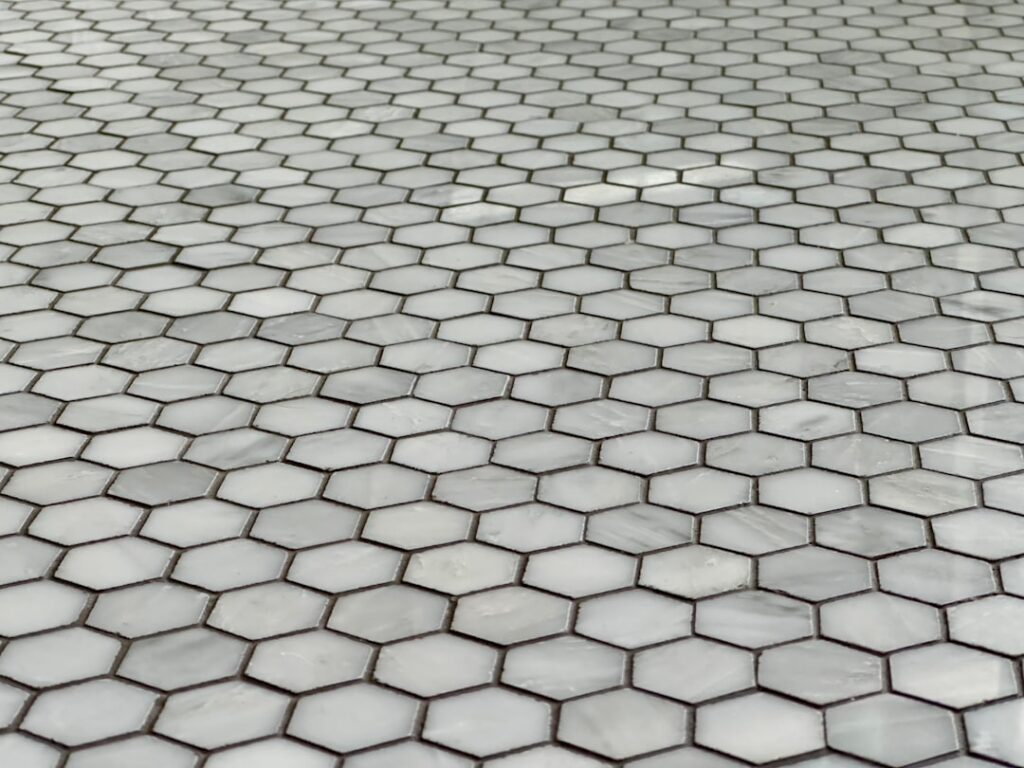
Love the look of ceramic or stone tile but want something warmer, quieter, and easier to install? Laminate floor tiles offer a compelling alternative. These products replicate the appearance of real tile with impressive accuracy while delivering the comfort and affordability that laminate flooring is known for.
Part of our Tile & Grout guide — explore the full guide →
In this guide, we cover everything you need to know about tile-look laminate, from the latest styles and technology to installation considerations and honest comparisons with real tile.
What Are Laminate Floor Tiles?
Laminate floor tiles are laminate flooring products designed to look like ceramic, porcelain, or natural stone tiles. They share the same layered construction as standard laminate flooring, with an HDF core, photographic decor layer, and protective wear layer, but they are formatted in square tile shapes or large rectangular planks with printed grout lines.
Modern manufacturing technology has made these products remarkably convincing. High-definition printing captures the color variation, veining, and texture of real stone and ceramic, while embossed surfaces add tactile realism that you can both see and feel.
Common Formats
- Square tiles: Typically 12×12 inch or 16×16 inch panels that replicate individual tile units.
- Large format planks: Rectangular panels (often 15×24 inches or larger) featuring multiple tile images with printed grout lines.
- Multi-tile panels: Single laminate planks that display a pattern of several tiles in varying sizes, mimicking random tile layouts.
Popular Laminate Floor Tile Styles
Stone Look
Marble, travertine, slate, and limestone-look laminate tiles are among the most popular options. These designs capture the natural veining and color variation of real stone at a fraction of the cost. A marble-look laminate tile in a bathroom or entryway creates an upscale impression without the expense or maintenance demands of actual marble.
Ceramic and Porcelain Look
Clean, uniform ceramic-look laminate tiles work beautifully in kitchens, laundry rooms, and bathrooms. They are available in everything from classic white subway tile patterns to colorful Mediterranean designs and contemporary large-format styles.
Concrete Look
Industrial-chic concrete-look laminate tiles have surged in popularity. These designs replicate polished or brushed concrete flooring with subtle color variation and texture. They pair perfectly with modern and minimalist interiors.
Encaustic and Patterned Tile
Decorative patterned tile looks, inspired by encaustic cement tiles, bring bold color and geometric designs to laminate flooring. These are popular as accent areas in entryways, powder rooms, and kitchen backsplash-adjacent floors.
Laminate Floor Tiles vs. Real Tile
Understanding the trade-offs between laminate floor tiles and genuine tile flooring helps you make an informed decision.
Comfort and Warmth
Laminate floor tiles are significantly warmer and more comfortable underfoot than ceramic or porcelain tile. The HDF core and underlay provide natural insulation, while real tile conducts cold from the subfloor. If you dislike cold floors in winter, laminate tiles solve that problem without requiring underfloor heating.
Installation
Laminate floor tiles use click-lock floating installation, meaning no mortar, grout, or adhesive is needed. A confident DIYer can install laminate tiles in a weekend. Real tile requires a level substrate, thinset mortar, grouting, and sealing, a process that typically demands professional installation and several days to complete.
Durability
Ceramic and porcelain tile are inherently harder and more resistant to scratching than laminate. Real tile can last 50 years or more. Laminate floor tiles typically last 15 to 25 years, depending on quality and traffic levels. However, laminate is less likely to crack from impacts because the HDF core absorbs shock rather than shattering.
Water Resistance
This is where real tile has a clear advantage. Ceramic and porcelain tile are essentially waterproof. Standard laminate, even in tile format, is vulnerable to water damage at the seams and edges. Water-resistant laminate tiles with sealed edges and wax-treated cores bridge the gap, but for consistently wet areas, consider waterproof flooring alternatives like luxury vinyl tile.
Cost
Laminate floor tiles cost $2 to $5 per square foot for materials, compared to $3 to $15 per square foot for ceramic or porcelain tile. When you add installation costs, the savings with laminate become even more significant because professional tile installation runs $5 to $15 per square foot versus $2 to $4 for laminate.
Where to Use Laminate Floor Tiles
Kitchens
A stone or ceramic-look laminate tile in the kitchen delivers the aesthetic you want while being warmer and softer to stand on during meal prep. Choose a water-resistant product and clean up spills quickly to protect the seams.
Living Rooms and Dining Rooms
Large-format concrete or natural stone-look laminate tiles create a sleek, contemporary foundation in open-plan living spaces. The absence of cold, hard surfaces makes the room feel inviting while maintaining a polished appearance.
Hallways and Entryways
Slate or travertine-look laminate tiles set a welcoming tone in entryways. Choose a product rated AC4 or higher for these high-traffic areas, and use doormats to trap grit that could scratch the surface.
Bedrooms
For those who love the tile aesthetic but want warmth underfoot, laminate floor tiles in a bedroom deliver the look without the chill of real tile on bare feet.
Bathrooms (Limited)
Standard laminate floor tiles are not recommended for full bathrooms due to humidity and water exposure. Some manufacturers offer bathroom-specific water-resistant laminate, but for wet rooms, vinyl flooring or actual tile remain safer choices.
Installation Guide
Subfloor Preparation
Your subfloor must be clean, dry, and level. Fill any depressions with self-leveling compound and sand down high spots. For concrete subfloors, test moisture levels and apply a vapor barrier if readings exceed the manufacturer’s recommendations.
Underlay Selection
A quality underlay is essential for laminate floor tiles. Choose a product with built-in moisture protection, especially over concrete subfloors. Foam underlay with an integrated vapor barrier is the most common choice. Some laminate tile products include pre-attached underlay.
Layout Planning
Before installing, dry-lay several tiles to plan your pattern and check for visual repetition. Stagger tiles from adjacent rows to avoid obvious pattern lines. For multi-tile panels with printed grout lines, ensure the grout lines align naturally between panels.
Cutting
Laminate floor tiles cut easily with a laminate-specific cutter, jigsaw, or circular saw with a fine-tooth blade. For curved cuts around door frames and pipes, a jigsaw is your best tool. Always cut with the decorative face up to prevent chipping.
Installation
Begin along the longest, most visible wall. Leave a 10mm expansion gap around all walls and fixed objects. Click long edges together first, then engage the short edges. Use a tapping block and pull bar to ensure tight connections. Work row by row, staggering end joints by at least 12 inches.
Grouting (Optional)
While most laminate floor tiles rely on printed grout lines, some products accept colored grout or sealant between tiles for enhanced realism. This is optional but can significantly improve the tile illusion, especially at close range. Use flexible, non-cementitious grout designed for laminate.
Maintenance Tips
- Sweep or vacuum regularly with a hard-floor attachment to remove debris.
- Damp mop with a laminate-approved cleaner. Avoid excess water, which can seep into seams.
- Use felt pads under furniture legs to prevent scratching.
- Wipe up spills promptly, especially near seams and edges.
- Avoid steam mops, which can force moisture into the core and cause swelling.
Top Brands for Laminate Floor Tiles
- Quick-Step Impressive: Offers large-format tile-look panels with HydroSeal technology and exceptionally realistic stone and concrete designs.
- Pergo Tile: Known for accurate stone and ceramic reproductions with TitanX wear layer technology for superior scratch resistance.
- Classen Visiogrande: German-made laminate tiles with stunning natural stone visuals and micro-beveled edges for a genuine tile appearance.
- Faus Industry Tiles: Spanish-manufactured laminate tiles with unique designs and strong AC5 ratings for commercial-grade durability.
Frequently Asked Questions
Do laminate floor tiles look realistic?
Yes, modern laminate floor tiles are highly realistic. Embossed-in-register surfaces match the texture to the printed image, and micro-beveled edges create the illusion of individual tiles with grout lines. From standing height, most visitors will not realize it is laminate.
Can laminate floor tiles be used with underfloor heating?
Most laminate floor tiles are compatible with electric or water-based underfloor heating, provided the surface temperature does not exceed 27 degrees Celsius. Use a thin underlay with low thermal resistance to maximize heat transfer.
How do laminate floor tiles handle pets?
Laminate floor tiles with AC4 or AC5 ratings handle pet traffic well. The wear layer resists scratches from claws better than real hardwood, though very large or active dogs may eventually mark the surface. Keep nails trimmed for the best results.
What is the lifespan of laminate floor tiles?
Expect 15 to 25 years from quality laminate floor tiles with proper maintenance. Higher AC ratings and thicker cores generally correlate with longer lifespans.
Final Thoughts
Laminate floor tiles deliver the beauty of real tile with the warmth, comfort, and easy installation of laminate. They are an outstanding choice for homeowners who want the tile aesthetic in living areas, hallways, and kitchens without the cost, coldness, and complexity of ceramic or stone.
Explore our full laminate flooring guide and tile flooring guide for more comparisons and buying advice.
Prefer to explore on your own?
See how new flooring looks in your actual room in seconds — free, no signup.
Try the free Floor Studio →

