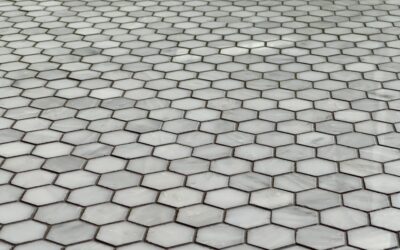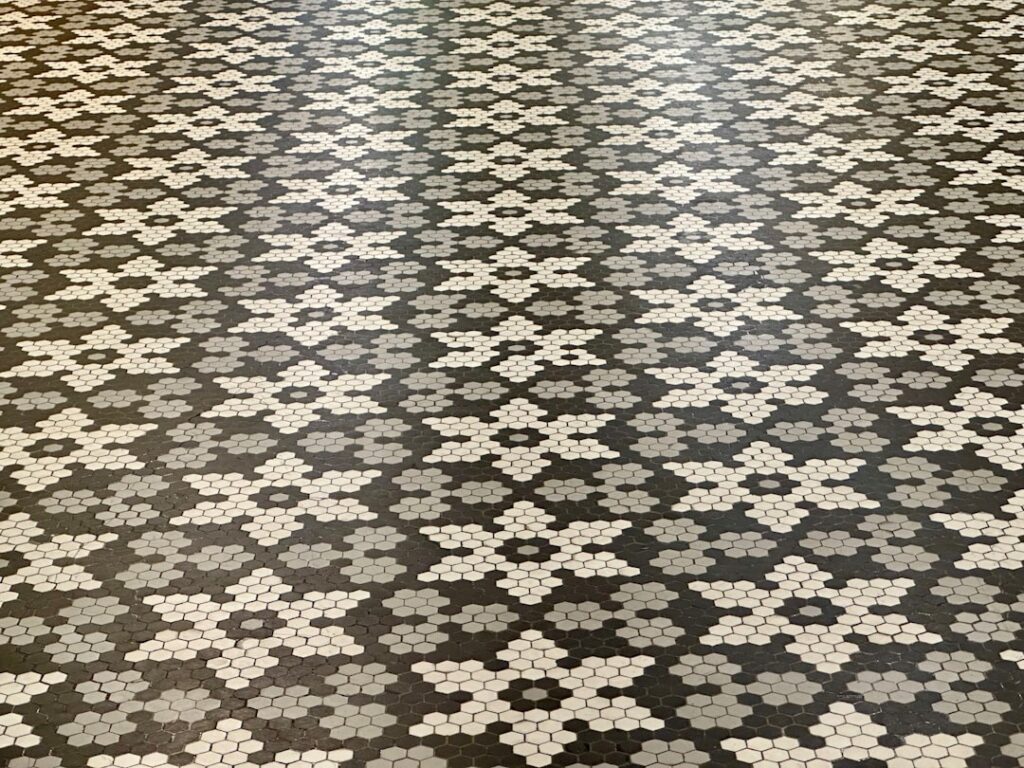
Laminate tile flooring gives you the elegant look of ceramic, porcelain, or natural stone without the cold feel, difficult installation, or premium price tag. Thanks to advances in digital printing and embossed-in-register technology, today’s tile-look laminate is remarkably convincing, and most guests will never know the difference.
Part of our Tile & Grout guide — explore the full guide →
Whether you want a Carrara marble effect in your bathroom or a slate look for your entryway, this guide covers everything you need to know about laminate tile, from how it is constructed and installed to the top brands worth considering in 2026.
- What Is Laminate Tile Flooring?
- Laminate Tile vs. Real Tile: Key Differences
- Popular Laminate Tile Styles
- Sizes and Formats
- Grout Lines: Printed vs. Real Grout
- Top Brands for Laminate Tile in 2026
- Installation Guide for Laminate Tile
- Best Rooms for Laminate Tile
- Maintenance and Care
- Pros and Cons of Laminate Tile
- How Much Does Laminate Tile Cost?
- Final Thoughts
What Is Laminate Tile Flooring?
Laminate tile is a type of laminate flooring engineered to replicate the appearance of stone or ceramic tile. It uses the same four-layer construction as standard laminate, with a high-density fiberboard (HDF) core, a photographic decor layer, a protective wear layer, and a stabilizing backer. The key difference is that the decor layer features tile patterns, including realistic grout lines, natural stone veining, and textured surfaces that mimic the feel of real tile.
Unlike plank-format laminate that imitates wood, laminate tile comes in square or rectangular formats designed to look like individual tiles or tile groupings. Some products even include beveled edges and printed grout lines to enhance the illusion.
How Laminate Tile Mimics Stone and Ceramic
Modern laminate tile achieves its realism through several technologies:
- High-definition digital printing: Cameras capture real stone and ceramic surfaces at extreme resolution, then print those images onto the decor layer with microscopic detail.
- Embossed-in-register (EIR) textures: The surface texture aligns precisely with the printed pattern, so you can feel the veining of marble or the roughness of slate under your fingertips.
- Painted V-grooves: Beveled edges between planks are colored to simulate grout lines, creating the appearance of individually laid tiles.
- Multi-tile formats: Some planks display two or three different tile images side by side, adding visual variety and reducing pattern repetition.
Laminate Tile vs. Real Tile: Key Differences
Understanding how laminate tile compares to real ceramic or porcelain tile helps you decide which material suits your project.
Cost Comparison
Laminate tile typically costs between $1.50 and $4.00 per square foot for materials, while ceramic tile ranges from $2.00 to $15.00 per square foot. Installation costs widen the gap further. Laminate tile is a floating floor that clicks together without mortar, thinset, or grout, so professional installation runs $1.50 to $3.00 per square foot. Tile installation, which requires substrate preparation, thinset application, grouting, and sealing, typically costs $5.00 to $10.00 per square foot.
Comfort and Warmth
One of the biggest advantages of laminate tile is warmth underfoot. Real tile conducts cold from the subfloor, making it uncomfortable in winter without radiant heating. Laminate tile, with its HDF core and underlayment, provides natural insulation and a softer feel when walking.
Durability and Water Resistance
Real tile wins on water resistance, as porcelain and ceramic are inherently waterproof. Standard laminate tile is only water-resistant; prolonged moisture exposure can cause the HDF core to swell. However, newer water-resistant laminate tile products with wax-sealed edges and hydrophobic cores narrow this gap significantly. For truly wet areas like shower surrounds, real tile or waterproof flooring remains the better choice.
Installation Speed
Laminate tile installs in a fraction of the time. A 200-square-foot room can be completed in a single afternoon with click-lock laminate tile. The same room with real tile requires multiple days for thinset curing, grouting, and grout sealing.
Popular Laminate Tile Styles
Laminate tile comes in a wide range of styles that replicate popular stone and ceramic looks.
Marble-Look Laminate
White and grey marble patterns, particularly those mimicking Carrara and Calacatta marble, are among the most popular choices. These deliver a luxurious, high-end aesthetic at a fraction of the cost of real marble. Look for products with subtle veining variation across planks to avoid a repetitive appearance.
Slate-Look Laminate
Slate-look laminate tile captures the layered, textured appearance of natural slate in colors ranging from charcoal and dark grey to rustic brown and multicolor. The embossed textures on these products are particularly convincing because slate naturally has an uneven, cleft surface.
Travertine-Look Laminate
Travertine-look laminate replicates the warm, earthy tones of natural travertine with its characteristic pitting and subtle color variation. These products work especially well in Mediterranean or traditional-style homes.
Concrete-Look Laminate
For modern and industrial-style interiors, concrete-look laminate tile delivers the urban aesthetic of polished or raw concrete flooring with more warmth and comfort underfoot.
Sizes and Formats
Laminate tile comes in several size formats to match the look of different tile installations.
- Square tiles: Typically 15.5 x 15.5 inches or 23.5 x 23.5 inches, designed to mimic individual floor tiles.
- Rectangular planks with tile print: Standard laminate plank dimensions (about 8 x 47 inches) with tile patterns printed across the surface. These often display multiple tile images per plank.
- Large-format panels: Oversized panels up to 32 x 32 inches that replicate large-format tile installations popular in modern design.
- Multi-size patterns: Some products combine different tile sizes within a single plank to create the look of a modular tile layout.
Grout Lines: Printed vs. Real Grout
The treatment of grout lines is a critical factor in how realistic laminate tile looks once installed.
Painted or Printed Grout Lines
Most laminate tile products feature V-groove edges that are painted or embossed to simulate grout lines. This is the simplest approach, as the grout effect is built into the product and requires no additional work during installation. Higher-quality products use deeper V-grooves with realistic coloring that closely matches the appearance of sanded or unsanded grout.
Applied Grout Products
Some homeowners apply a flexible, silicone-based grout between laminate tiles to enhance realism. This is not traditional cement grout, which would damage laminate. Products like MusselBound grout strips or flexible caulk-type grout are designed specifically for floating floors. While this adds to installation time and cost, it creates a remarkably authentic tile appearance.
Seamless Designs
A few laminate tile products are designed to install with minimal visible seams, creating the look of a continuous stone surface. These work best for polished marble or concrete aesthetics where grout lines would not normally be prominent.
Top Brands for Laminate Tile in 2026
Several manufacturers stand out for the quality and realism of their tile-look laminate products.
Quick-Step
Quick-Step’s Exquisa and Impressive collections include some of the most realistic tile-look laminate on the market. Their patented Uniclic locking system makes installation straightforward, and the Hydroseal coating provides surface-level water protection. Expect to pay $3.00 to $4.50 per square foot.
Pergo
Pergo offers tile-look options in their Outlast+ and Portfolio + WetProtect lines. The WetProtect technology provides a lifetime waterproof warranty, addressing one of laminate tile’s traditional weaknesses. Pricing ranges from $2.50 to $4.00 per square foot.
Classen
German manufacturer Classen produces tile-look laminate with exceptionally detailed textures. Their Visiogrande line is specifically designed for stone and tile aesthetics, featuring large-format panels and deep embossing. Prices run $2.00 to $3.50 per square foot.
Faus
Spanish brand Faus is known for innovative tile-look laminate with industry-leading pattern variation. Their products use up to 60 unique tile images per collection, virtually eliminating visible pattern repetition. Expect to pay $2.50 to $3.50 per square foot.
Installation Guide for Laminate Tile
Installing laminate tile follows the same general principles as standard laminate, but there are a few tile-specific considerations.
Subfloor Preparation
The subfloor must be clean, dry, level, and structurally sound. Laminate tile is less forgiving of subfloor imperfections than plank laminate because the rigid, square format makes uneven spots more visible. Check for flatness with a 6-foot straightedge; variations should not exceed 3/16 inch over 10 feet.
Underlayment Selection
Use the underlayment recommended by the manufacturer. For tile-look laminate, a thinner, denser underlayment (2mm foam or cork) often works better than thick cushion underlayment, as it keeps the floor firm and stable, more closely mimicking the solid feel of real tile.
Layout Planning
With tile-look laminate, layout matters more than with wood-look planks. Decide whether you want a grid pattern, brick-lay offset, or random pattern. Dry-lay several rows before clicking anything together to ensure the pattern looks natural and the cuts along walls are balanced.
Expansion Gaps
Maintain a 1/4-inch expansion gap around all walls and fixed objects. This is especially important with tile-format laminate because the wider, squarer boards are more susceptible to buckling if expansion is restricted.
Cutting Tips
Use a fine-tooth blade when cutting laminate tile to minimize chipping along the decorative surface. Cut with the decor side facing up on a table saw or facing down with a circular saw or jigsaw. For intricate cuts around obstacles, a multi-tool or oscillating saw works well.
Best Rooms for Laminate Tile
Laminate tile performs well in many areas of the home, though some rooms are better suited than others.
- Kitchens: An excellent choice. The tile aesthetic suits kitchens, and water-resistant laminate tile handles splashes and spills. Use a water-resistant product and wipe up standing water promptly.
- Entryways and mudrooms: Slate and stone-look laminate tile creates a durable, attractive entry surface that hides dirt well.
- Living rooms and dining rooms: Marble or travertine-look laminate tile adds elegance without the cold, hard feel of real stone.
- Bathrooms: Use only in half-baths or powder rooms with minimal water exposure, unless the product carries a specific waterproof warranty. Full bathrooms with showers are better served by real tile or waterproof vinyl.
- Basements: Laminate tile works in dry basements with a proper vapor barrier. Avoid basements with moisture issues.
Maintenance and Care
Laminate tile is straightforward to maintain. Sweep or vacuum regularly to remove grit that could scratch the surface. Damp mop with a laminate-specific cleaner or plain water with a well-wrung mop. Never use steam mops, excessive water, or abrasive cleaners. For stubborn spots, a damp microfiber cloth with a small amount of rubbing alcohol usually does the trick.
Protect the surface from scratches by using felt pads under furniture legs and avoiding dragging heavy items across the floor. While laminate tile is resistant to most household stains, clean up spills promptly to prevent moisture from seeping into seams.
Pros and Cons of Laminate Tile
Advantages
- Significantly lower cost than real tile
- Warmer and more comfortable underfoot
- Fast, DIY-friendly installation
- No grout to clean, seal, or maintain
- Wide range of realistic stone and tile designs
- Can be installed over most existing floors
Disadvantages
- Not fully waterproof (standard products)
- Cannot be refinished or repaired easily
- Less resale value than real tile or stone
- Hollow sound underfoot without quality underlayment
- Pattern repetition possible with lower-quality products
- Not suitable for outdoor use or very wet areas
How Much Does Laminate Tile Cost?
Budget $2.00 to $5.00 per square foot for materials, depending on quality, brand, and water resistance features. Installation by a professional adds $1.50 to $3.00 per square foot. For a 300-square-foot room, total costs typically range from $1,050 to $2,400 installed, compared to $2,100 to $7,500 for real ceramic or porcelain tile in the same space.
DIY installation can save 40 to 60 percent on labor costs, and since laminate tile is one of the most accessible flooring types for homeowners to install themselves, this is a realistic way to stay within a tight budget.
Final Thoughts
Laminate tile has come a long way from the obviously fake stone patterns of a decade ago. Today’s best products deliver stunning realism with practical benefits like warmth, easy installation, and low maintenance. If you want the look of stone or ceramic tile without the cost, cold feel, or difficult installation, laminate tile deserves serious consideration. Just be realistic about moisture limitations and choose a water-resistant product if your space sees regular splashes or humidity.
Prefer to explore on your own?
See how new flooring looks in your actual room in seconds — free, no signup.
Try the free Floor Studio →