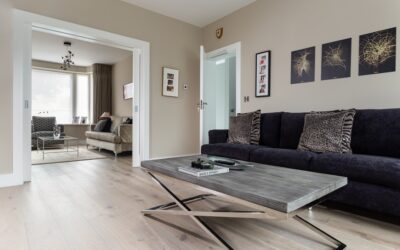
The phrase laminated hardwood floors causes more confusion in flooring showrooms than almost any other term, because it gets used to describe three genuinely different products. Some shoppers mean laminate flooring, which contains no real hardwood at all. Others mean engineered hardwood, which has a real wood layer laminated, or bonded, to a stable core. A few even mean solid hardwood. Knowing exactly which product you are dealing with is essential, because the price, durability, and care of each are worlds apart. This guide clears up the confusion once and for all.
Below we define each type, compare their pros and cons, cover typical costs, and help you decide which one fits your home.
The Source of the Confusion
The word laminated simply means layers bonded together, and that description technically applies to more than one flooring type. Laminate flooring is built from layers but uses a photographic image of wood rather than real wood. Engineered hardwood is also layered, but its top surface is a genuine slice of hardwood bonded to a plywood or fiberboard core. Because both are layered, the term laminated hardwood gets applied loosely to either.
When a salesperson or listing says laminated hardwood, always ask the key question: is the top layer real wood or a printed image? That single answer tells you which product you are actually buying.
Laminate Flooring Explained
True laminate flooring contains no hardwood. It is made of a dense fiberboard core topped with a high-resolution printed image of wood and sealed under a tough clear wear layer. Modern laminate looks remarkably realistic and is extremely scratch- and dent-resistant.
- Pros: Affordable, very durable against scratches, easy click-together installation, and low maintenance.
- Cons: Cannot be sanded or refinished, can be damaged by standing water unless waterproof-rated, and does not add the resale value of real wood.
Engineered Hardwood Explained
Engineered hardwood is real wood, just built in a smarter way. A genuine hardwood veneer sits on top of a multi-ply core, which gives it the look and feel of solid wood with far better resistance to moisture and humidity swings.
- Pros: Authentic wood surface, more stable than solid wood, can often be refinished once or twice depending on veneer thickness, and works over concrete and in basements.
- Cons: More expensive than laminate, and thin-veneer products cannot be refinished as many times as solid wood.
Solid Hardwood for Comparison
Solid hardwood is a single piece of wood through and through. It is the most premium and longest-lasting option, able to be sanded and refinished many times over a lifetime. The trade-off is that it costs the most, reacts the most to humidity, and is generally not recommended for basements or directly over concrete.
If longevity and the ability to refinish repeatedly matter most, solid hardwood wins, but for many homes the stability and value of engineered wood make it the more practical choice.
Cost Comparison
Price is often the deciding factor, and the three products separate clearly.
- Laminate: Roughly $1 to $5 per square foot for materials, the most budget-friendly option.
- Engineered hardwood: About $4 to $10 per square foot for materials, sometimes more for premium species.
- Solid hardwood: Generally $5 to $12 or more per square foot for materials, with exotic species higher.
Installation adds to each, typically a few dollars per square foot, with click-together laminate and engineered floating floors being the friendliest to DIY installation.
Which One Should You Choose
The right pick depends on your budget, the room, and how long you plan to keep the floor. For a busy household with kids and pets on a tight budget, durable laminate is hard to beat. For homeowners who want real wood with better moisture resistance and resale appeal, engineered hardwood is the sweet spot. For a forever home where you want floors that can be refinished for generations, solid hardwood justifies its premium.
Consider the room, too. Basements and slab foundations favor engineered or waterproof laminate, while above-grade living areas can accommodate any of the three.
Installation and Subfloor Differences
How each product installs is another practical difference worth knowing. Laminate almost always uses a click-lock floating system, where planks snap together and rest on a foam underlayment over the subfloor without being glued or nailed down. This makes it one of the most DIY-friendly floors available, and it can go over many existing hard surfaces as long as they are flat and clean.
Engineered hardwood is more versatile in its installation methods. Click-lock engineered products float like laminate, but engineered wood can also be glued down or nailed, which is why it works over concrete slabs and in basements where solid wood cannot go. Solid hardwood, by contrast, is typically nailed or stapled to a wood subfloor and is not recommended below grade. Matching the installation method to your subfloor and room is just as important as choosing the right product.
Maintenance and Lifespan
Day-to-day care is similar across all three, but the long-term picture differs. Laminate and engineered wood both need regular sweeping and occasional damp mopping with the right cleaner, and both dislike standing water unless the laminate is specifically waterproof-rated. The big distinction is refinishing. When laminate wears out, it must be replaced, while engineered wood with a thick enough veneer can be sanded and refinished once or twice, and solid hardwood can be refinished many times over its life.
In terms of lifespan, quality laminate often lasts 15 to 25 years, engineered hardwood 20 to 40 years or more depending on veneer thickness, and solid hardwood can last 50 years or longer when refinished periodically. That longevity is a major reason solid and engineered wood command higher prices and tend to add more resale value than laminate.
Making the Smart Choice
The most important step with laminated hardwood floors is simply knowing what you are buying. Confirm whether the surface is printed laminate or a real wood veneer, then weigh durability, cost, refinishing ability, and the demands of the room. Once you cut through the terminology, the decision becomes straightforward, and you can confidently choose the floor that gives you the look you want at a price and performance level that fits your home.
Prefer to explore on your own?
See how new flooring looks in your actual room in seconds — free, no signup.
Try the free Floor Studio →