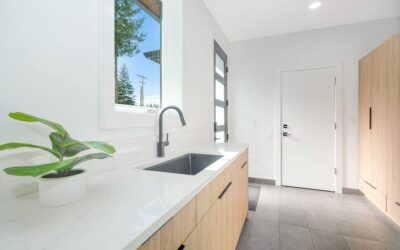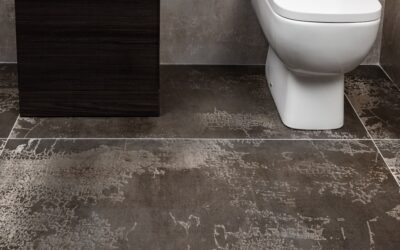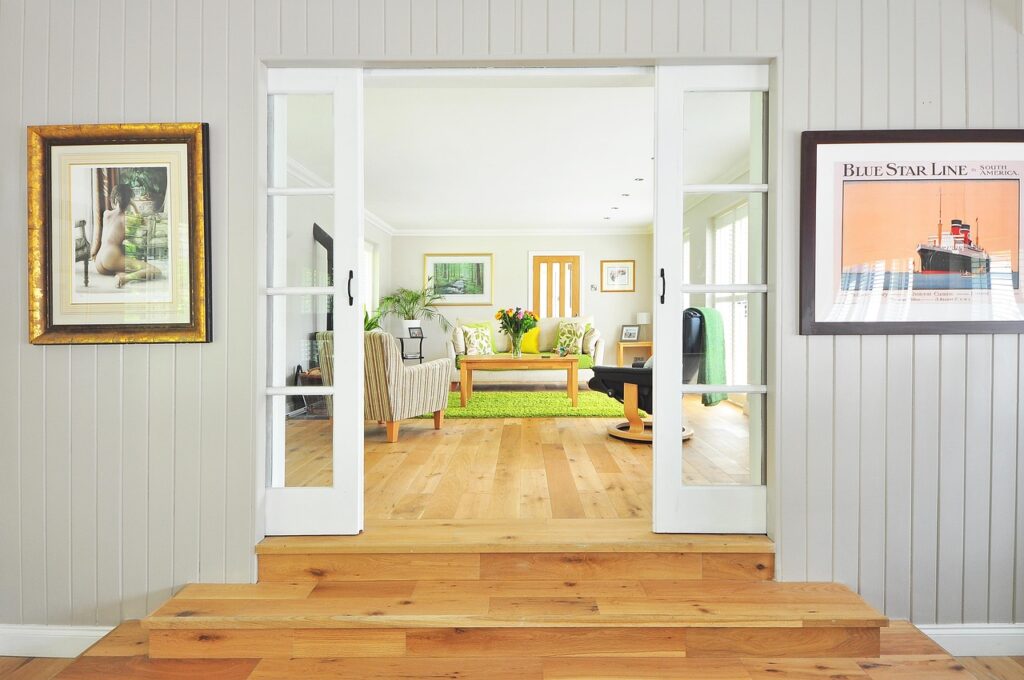
Laundry rooms take a beating that most other rooms never experience — standing water from leaky hoses, heavy appliance loads, detergent spills, and constant foot traffic between loads. Yet homeowners often treat the laundry room floor as an afterthought, slapping down the cheapest option available. The right laundry room flooring ideas balance waterproof performance with durability, comfort underfoot, and a clean look that makes the space feel finished. Here are the top options, ranked by real-world performance in wet, high-traffic utility spaces.
Luxury Vinyl Plank and Tile
Luxury vinyl plank (LVP) and luxury vinyl tile (LVT) are the top choice for laundry rooms, and for good reason. SPC (stone polymer composite) and WPC (wood polymer composite) cores are 100% waterproof — not just water-resistant — meaning standing water from a burst washing machine hose will not damage the floor. Quality SPC planks like LifeProof, COREtec, and Mohawk RevWood Plus cost $2.50 to $5.00 per square foot and install as floating click-lock systems over most existing subfloors.
LVP handles heavy appliance loads without denting when you use furniture pads under the washer and dryer feet. The wear layer (12 mil or higher for utility spaces) resists scratches from laundry baskets, shoes, and pet traffic. Installation takes 2 to 4 hours for a typical 50- to 80-square-foot laundry room, and most DIYers complete it in a single afternoon without special tools.
Porcelain and Ceramic Tile
Tile remains the gold standard for laundry room durability. Porcelain tile (water absorption rate under 0.5%) is effectively impervious to moisture, and a properly grouted installation handles standing water indefinitely. Large-format tiles in the 12 by 24-inch or 24 by 24-inch range minimize grout lines and give the room a clean, modern look. Expect to pay $2.00 to $8.00 per square foot for tile materials, plus $6.00 to $12.00 per square foot for professional installation including backer board and grout.
The downsides are cost and comfort. Tile is hard and cold underfoot — consider adding a washable anti-fatigue mat in front of the folding area. Tile installation is also more complex than vinyl, requiring a perfectly flat and stable subfloor. Cracked tiles from subfloor movement are a common complaint in older homes with flexible wood-framed floors. Use a crack isolation membrane like Ditra if your subfloor has any deflection concerns.
Sheet Vinyl
Sheet vinyl is the most budget-friendly waterproof option at $1.00 to $4.00 per square foot installed. Because it comes in continuous rolls up to 12 feet wide, most laundry rooms can be covered with a single seamless sheet — eliminating the seams where water can penetrate in plank or tile installations. Brands like Armstrong and Mannington offer residential sheet vinyl with realistic stone and wood visuals that look surprisingly good in a utility space.
Installation involves cutting the sheet to fit, adhering it with full-spread adhesive or perimeter tape, and sealing the edges with silicone caulk. The main limitation is durability: sheet vinyl dents under heavy appliances and scratches more easily than LVP or tile. Use plywood shims under the washer and dryer legs to distribute weight and prevent permanent indentations.
Concrete: Stained, Sealed, or Epoxy-Coated
If your laundry room sits on a concrete slab — common in basements, garages, and ground-floor utility rooms — the most practical option may be finishing the concrete itself. Acid staining and sealing costs $2.00 to $5.00 per square foot and produces a mottled, organic look. Epoxy floor coatings run $3.00 to $7.00 per square foot and create a glossy, seamless surface that is completely waterproof and extremely easy to clean.
Prep work determines the outcome. Grind or etch the concrete to open the pores, patch any cracks or spalls with hydraulic cement, and apply the stain or epoxy in thin, even coats. Rust-Oleum EpoxyShield and Quikrete Epoxy Garage Floor Coating are two widely available DIY options in the $80 to $150 range per kit, each covering 200 to 250 square feet. Allow 48 to 72 hours of cure time before moving appliances back.
Rubber Flooring
Interlocking rubber tiles and rolled rubber flooring are underrated options for laundry rooms, especially in basements where comfort and moisture resistance matter. Rubber is naturally waterproof, cushioned underfoot, sound-dampening (reducing washer vibration noise), and virtually indestructible. Commercial-grade rubber tiles in the 3/8-inch thickness range cost $3.00 to $6.00 per square foot and install without adhesive — just interlock and lay flat.
The aesthetic options are limited compared to vinyl or tile. Most rubber flooring comes in black, gray, or speckled patterns. For a laundry room that doubles as a mudroom or gym, rubber is an excellent functional choice. For a laundry room visible from the main living area, LVP or tile will deliver a more polished look.
Flooring Materials to Avoid
Several popular flooring types perform poorly in laundry rooms and should be avoided:
- Hardwood: Warps, cups, and develops mold when exposed to repeated moisture. Even sealed hardwood cannot handle the water events common in laundry rooms.
- Standard laminate: The fiberboard core swells and delaminates when wet. Some waterproof laminates (like Pergo WetProtect) have improved, but LVP remains the safer choice at a similar price.
- Carpet: Traps moisture, grows mold, and is nearly impossible to keep clean in a utility space. Even indoor-outdoor carpet holds water against the subfloor.
- Unfinished concrete: Absorbs moisture, stains permanently, and generates dust. Always seal or coat concrete before using it as a finished floor surface.
Installation Tips for Laundry Room Floors
Before installing any flooring, check for moisture. Run a calcium chloride test or tape a piece of plastic sheeting to the subfloor for 48 hours — if condensation forms underneath, address the moisture source before laying flooring. On concrete slabs, apply a 6-mil polyethylene vapor barrier beneath floating floors.
Install the flooring before setting the washer and dryer in place. Run the flooring continuously under the appliance area rather than cutting around the machines — this ensures a waterproof surface beneath the units where leaks are most likely to occur. Leave a 1/4-inch expansion gap around the perimeter for floating installations and cover it with baseboard or quarter-round trim.
Cost Comparison at a Glance
For a typical 60-square-foot laundry room, here are approximate total project costs (materials plus installation):
- Sheet vinyl: $60 to $240
- LVP/LVT (DIY): $150 to $300
- Porcelain tile (pro install): $480 to $1,200
- Concrete stain/epoxy (DIY): $120 to $420
- Rubber tiles (DIY): $180 to $360
LVP hits the sweet spot for most homeowners — waterproof, durable, affordable, and easy enough for a confident DIYer to install in half a day. If budget allows and you want a premium finish, porcelain tile offers the longest lifespan and the most design flexibility of any laundry room flooring material.
Prefer to explore on your own?
See how new flooring looks in your actual room in seconds — free, no signup.
Try the free Floor Studio →