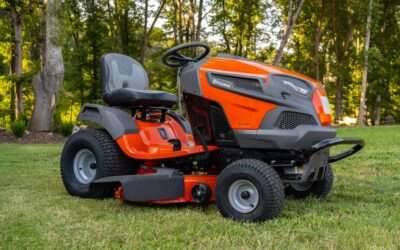
A riding mower is only half a machine until you hitch a hauler behind it. A lawn mower cart, also called a tow-behind dump cart, turns your tractor or zero-turn into a small utility hauler that moves mulch, topsoil, firewood, gravel, and yard waste without a single trip to the wheelbarrow. For anyone with more than a quarter-acre, it is the single most useful attachment you can buy. This guide walks through load capacity, bed materials, tire choices, and the hitch compatibility details that determine whether a cart will actually fit your mower.
We will also cover the dump mechanisms, weight limits, and the accessories that make a basic cart far more versatile around the property.
Types of Lawn Mower Carts
Carts fall into a few clear categories, and choosing the right one starts with how you plan to use it.
- Poly dump carts: the most popular residential choice, rustproof and easy to clean
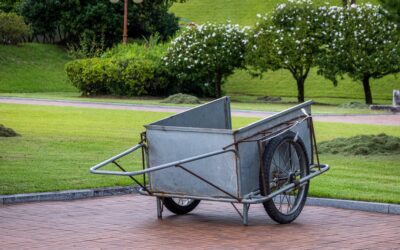
- Steel dump carts: heavier duty for gravel, rock, and demanding loads
- Mesh or wire carts: lighter, ideal for leaves and bulky, light debris
- Flatbed utility carts: no sides, built for hauling lumber or awkward loads
For most homeowners moving mulch and soil, a poly dump cart in the 10 to 17 cubic foot range covers nearly every job. Steel carts make sense only if you regularly haul dense material like crushed stone that would overload a poly bed.
Load Capacity and What It Really Means
Manufacturers rate carts by two numbers: volume in cubic feet and weight capacity in pounds. A common residential cart holds 10 to 12 cubic feet and carries 650 to 750 pounds. Larger models reach 17 cubic feet and 1,000-plus pounds.
Here is the catch that traps first-time buyers. Dense material fills the weight limit long before it fills the volume. A single cubic foot of wet topsoil weighs about 100 pounds, so a 10-cubic-foot cart rated for 750 pounds is full by weight at roughly seven and a half cubic feet of dirt. Mulch, being light and fluffy, will fill the volume first. Match your cart size to your heaviest common load, not the lightest.
Bed Material: Poly vs. Steel
The bed is the heart of the cart, and the two main materials each have clear strengths.
Poly beds, molded from high-density polyethylene, dominate the residential market for good reason. They never rust, never dent, resist chemicals and fertilizer, and rinse clean with a hose. A poly bed shrugs off road salt and wet mulch that would corrode steel. The downside is that sharp, heavy rock can crack a thin poly bed over time.
Steel beds handle abuse that poly cannot. They take the impact of dropped rocks and shovel loads of gravel without flexing, and a powder-coated steel bed resists rust reasonably well. The tradeoff is weight and the eventual reality that any scratch through the coating starts to corrode. For general yard work, poly is the smarter buy. For a landscaping or construction-heavy use, steel earns its keep.
Tires and Ground Clearance
Tires determine how the cart rolls over rough ground and how much it fights your mower on soft turf. Look closely at tire size and type before buying.
- Pneumatic (air-filled) tires: smoother ride, better on rough terrain, can go flat
- Flat-free (solid) tires: never puncture, slightly harder ride, zero maintenance
- Tire diameter: larger 15- to 16-inch tires roll over roots and ruts more easily
- Turf tread: wide, low-profile treads that resist tearing up your lawn
Bigger tires and wider tread reduce rolling resistance and protect your grass, which matters when a loaded cart follows the mower across a soft yard. Pneumatic tires ride better but require occasional pressure checks and can pick up a nail. Flat-free tires trade a bit of comfort for total peace of mind.
Hitch Compatibility
A cart is useless if it will not attach to your machine. Most residential mowers and carts use a simple clevis-and-pin hitch, which is a universal standard that fits the vast majority of lawn tractors and zero-turns. Before buying, confirm your mower has a rear hitch plate or bracket. Some entry-level mowers do not, and you may need a bolt-on hitch adapter that costs $15 to $30.
Check the hitch height too. If your mower’s hitch sits high, a cart with a low tongue may tilt forward, throwing weight off the axle. Most quality carts have an adjustable or swiveling hitch to accommodate uneven ground and tight turns without binding. A swivel hitch is worth seeking out because it lets the cart follow the mower through sharp turns without the tongue twisting.
Dump Mechanisms Compared
The whole point of a dump cart is emptying it without shoveling. The release mechanism varies by model and price point.
- Manual quick-release lever: pull a lever and the bed tips, standard on most carts
- Foot-pedal release: stay seated and dump without dismounting
- Assisted or gas-strut dump: a strut helps lift the bed back up after emptying
A good quick-release should let you dump a full load in seconds and return the bed to level with minimal effort. Test the lever action if you can. A stiff or poorly positioned release turns every dump into a wrestling match.
Cost and Recommendations
A basic poly dump cart runs $110 to $180, a heavy-duty steel cart $200 to $350, and premium models with larger capacity and assisted dumping reach $400 or more. For most homeowners, a 10- to 12-cubic-foot poly cart with flat-free tires and a swivel hitch in the $130 to $200 range is the practical sweet spot.
Buy for your heaviest realistic load, prioritize a poly bed unless you haul rock, and confirm the hitch matches your mower before you check out. Add a cargo liner or cover for hauling loose leaves, and you have a hauling workhorse that will serve your property for a decade or more.
Common Uses Around the Property
Once you own a dump cart, you will find uses for it that you never anticipated. It quickly becomes one of the most-used tools on the property, earning its cost many times over across the seasons.
- Spring: hauling mulch, compost, and bagged soil to garden beds
- Summer: moving mowing clippings, pulled weeds, and trimmings to the compost pile
- Fall: collecting leaves and carting firewood from the pile to the porch
- Winter: transporting bags of ice melt, sand, or firewood in snowy conditions
- Projects: moving gravel, pavers, bricks, and landscape stone for hardscaping
The dump feature turns unloading from a shoveling chore into a two-second lever pull. For a homeowner who once carried everything by wheelbarrow, a tow-behind cart cuts the labor of yard projects dramatically and lets your mower’s engine do the hauling instead of your back.
Care and Maintenance Tips
A cart is a simple machine, but a little maintenance keeps it rolling smoothly for many years. Neglect leads to seized bearings and flat tires that make the cart a chore to use.
Grease the wheel bearings once a season if they have zerk fittings, and check the tire pressure on pneumatic tires before heavy loads, since an underinflated tire drags and can pop off the rim. Rinse out the bed after hauling fertilizer or salt, both of which are corrosive, and let it dry before storing. Check that the hitch pin and clips are present and not worn, because a lost pin on a loaded cart at speed is a real hazard. Store the cart under cover if possible, since UV slowly degrades a poly bed and rusts exposed steel. With these simple habits, a quality cart easily lasts 10 to 15 years of regular use.