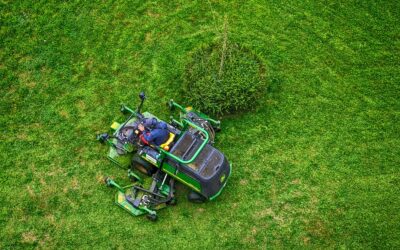
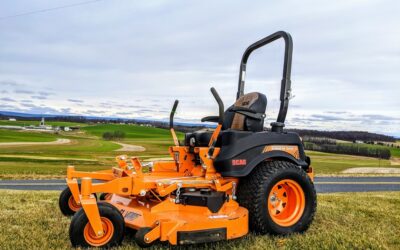
A lawn mower zero turn changes the whole rhythm of yard work. Instead of the three-point turns and missed strips you get with a lawn tractor, a zero-turn machine spins on its own axis, trimming a two-acre lawn in roughly half the time. That speed is why a zero turn lawn mower has become the default choice for homeowners with an acre or more of open grass, and why landscaping crews rarely mow anything else.
These mowers are not magic, though. They cost more than a comparable tractor, they demand a real learning curve, and they struggle on steep slopes. Understanding where a zero-turn shines and where it stumbles is the difference between a purchase you love and an expensive machine gathering dust in the shed.
- How a Zero-Turn Actually Works
- Deck Sizes and Cutting Speed
- Engine and Horsepower Choices
- Residential Versus Commercial
- What You Should Expect to Spend
- Brands Worth Shortlisting
- The Learning Curve Nobody Warns You About
- Keeping It Running
- Features That Earn Their Keep
- Common Mistakes First-Time Buyers Make
- Is a Zero-Turn Right for You?
How a Zero-Turn Actually Works
Rather than a steering wheel, you get two lap bars, one for each rear drive wheel. Push both forward and the mower rolls straight. Pull the left bar back while pushing the right forward and the machine pivots in place, essentially turning within its own footprint, which is where the “zero turning radius” name comes from.
Power reaches each rear wheel through a dedicated hydrostatic transmission. Entry-level residential models often use sealed integrated units, while commercial machines run heavier-duty dual pumps and wheel motors rated for thousands of hours. The front wheels are unpowered casters that swivel freely, which is exactly why these mowers dislike hills: with no steering geometry and light front ends, they slide sideways on wet or steep ground.
Deck Sizes and Cutting Speed
Cutting width is the number that most affects how fast you finish. Residential zero-turns typically come in 42, 46, 50, 54, and 60-inch decks. Here is a rough guide to matching deck width to lot size:
- 42 inches: Best for half an acre up to about an acre, and tight enough to fit through a 48-inch gate.
- 50 to 54 inches: The sweet spot for one to three acres, balancing speed with maneuverability around beds and trees.
- 60 inches: For three-plus acres of mostly open ground where every extra inch saves passes.
Ground speed matters just as much. A budget residential zero-turn tops out around 6 mph, mid-range models hit 7 mph, and premium residential and commercial machines reach 8 to 10 mph. Do not assume you will mow at full speed, though. On uneven or thick grass, running wide open scalps high spots and leaves an ugly, washboarded cut. Most owners settle into 4 to 5 mph for a clean finish.
Engine and Horsepower Choices
Engine brand is a reliable proxy for overall quality. You will see three names again and again: Kawasaki, Kohler, and Briggs & Stratton. Kawasaki FR and FS series engines are the enthusiast favorite for smooth power and long life. Kohler 7000 series units are close behind, and Briggs Professional Series engines power many value-priced models competently.
For a 42 to 46-inch residential deck, a 20 to 22 HP twin-cylinder engine is plenty. Step up to a 54-inch deck and you want 23 to 24 HP so the blades keep tip speed up in tall, damp grass. Commercial 60-inch machines commonly run 26 HP or more. Watch for displacement too; a 725cc engine simply has more grunt and cooling capacity than a 452cc single, and it will outlast it.
Residential Versus Commercial
The label “commercial” is not marketing fluff on these machines. Commercial zero-turns use fabricated 7-gauge steel decks instead of stamped decks, heavier tubular frames, larger tires, greasable spindles, and transmissions rated for 3,000-plus hours. They also come with suspension seats because operators sit on them all day.
A homeowner mowing an acre once a week for 25 years might log only 1,000 to 1,300 hours in that entire span. For that duty cycle, a well-built residential machine is genuinely enough, and you would be paying thousands extra for durability you will never use up. Buy commercial only if you mow several hours a week or run rough, debris-strewn ground.
What You Should Expect to Spend
Pricing spreads wide, so match the tier to your reality rather than your ambition:
- $2,800 to $3,500: Entry residential, 42 to 46-inch stamped deck, 20 to 22 HP, integrated transaxles. Fine for flat half-to-one-acre lots.
- $3,800 to $5,000: Mid-tier residential, 50 to 54-inch reinforced deck, commercial-grade engine, better seat and controls. The best value for most buyers.
- $5,200 to $6,000+: Premium residential and light-commercial, 54 to 60-inch fabricated deck, heavy transmissions, suspension seat.
Full commercial machines climb from $7,000 to well past $11,000, which is a business expense rather than a homeowner decision.
Brands Worth Shortlisting
Several lineups consistently earn strong owner reviews. Toro’s TimeCutter series is a popular residential pick, with its MyRIDE suspension platform smoothing out rough yards. Ariens IKON mowers deliver fabricated decks and commercial engines at aggressive prices. Cub Cadet’s Ultima ZT1 and ZT2 add steering-wheel options for nervous first-timers who want more control feel.
John Deere’s Z300 and Z500 series carry the dealer-support and resale reputation the brand is known for, though you pay for the badge. Husqvarna, Hustler, Gravely, and Spartan round out a competitive field. Whatever the badge, prioritize a local dealer who stocks belts, blades, and spindles, because a $30 part that grounds you for two weeks is its own kind of expensive.
The Learning Curve Nobody Warns You About
Do not expect a clean lawn on day one. Lap-bar control is twitchy at first, and abrupt inputs make the mower lurch and scuff turf. Spend an hour on pavement or a spare patch learning to feather the bars before you touch your good grass. Within a few sessions the muscle memory clicks and the precision becomes addictive.
Turning technique also protects your lawn. Slamming a pivot on soft ground rips out chunks in what mowing crews call “turf tear.” The fix is a gentle three-point Y-turn, easing one wheel rather than locking it, until your yard firms up. On slopes above 15 degrees, skip the zero-turn entirely and use a walk-behind; these machines lose traction and slide when the ground tilts.
Keeping It Running
Maintenance is straightforward but non-negotiable. Change the engine oil every 50 hours, keep the air filter clean, and sharpen or swap blades every 25 hours for a crisp cut that actually helps grass health. The hydrostatic transmissions need fluid and filter service too, typically at 500-hour intervals, and skipping it is the fastest way to a very expensive repair.
Blow grass off the deck after every mow, grease the spindles and caster bearings on schedule, and check tire pressures, because uneven pressure literally tilts the deck and produces a stepped, uneven cut. Store the machine dry, stabilize the fuel over winter, and a quality zero-turn will reward you with 15 to 20 seasons of fast, clean mowing.
Features That Earn Their Keep
Beyond deck and engine, a handful of features genuinely change the ownership experience. A suspension system, whether Toro’s MyRIDE floating platform or a simple suspension seat, is the single upgrade owners praise most, because zero-turns transmit every bump straight into your spine on rough ground. If your yard is anything but billiard-flat, budget for it.
Deck-lift design matters too. Foot-assisted lift lets you raise the deck over obstacles without stopping, and a wide range of cutting heights, ideally 1.5 to 4.5 inches across a dozen positions, lets you dial in seasonal length. Look also at fuel capacity; a 3 to 5-gallon tank means fewer mid-mow refills on big properties. Anti-scalp rollers, washout ports for rinsing the deck, and LED headlights for early-evening mowing round out the details that separate a thoughtful machine from a cheap one.
Common Mistakes First-Time Buyers Make
The most frequent error is buying too much deck for a small, obstacle-rich yard. A 60-inch machine cannot thread between close-set trees or fit through a standard gate, so those extra inches become a liability, not a benefit. Measure your gates and tightest passages before you shop; a 42 or 48-inch deck often mows a busy quarter-acre faster than a 60 simply because it fits everywhere.
The second mistake is ignoring slope. Buyers dazzled by speed forget that zero-turns are poor hill climbers, and a yard with grades over 15 degrees is genuinely unsafe for one. Test-drive before you commit if you can, and be honest about your terrain rather than your wish list.
Is a Zero-Turn Right for You?
Choose a zero-turn if you mow an acre or more of relatively flat, open ground with obstacles like trees and beds to weave around; the speed and agility pay for themselves in saved weekends. Stick with a lawn tractor if your property is steep, heavily wooded, or if you need to tow carts, plows, and aerators, since tractors handle attachments and hills far better. For the right yard, nothing else turns a two-hour chore into a 45-minute lap around the property quite like a good zero-turn.