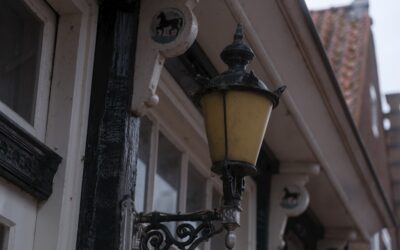
Switching your home’s exterior over to LED technology cuts energy use by up to 80 percent and all but eliminates the annual chore of changing burned-out bulbs. LED outdoor lighting fixtures now dominate the market for good reason, delivering 50,000 hours of life, instant full brightness even in freezing cold, and precise color that flatters your home’s architecture and landscaping. From wall sconces and path lights to floodlights and step lights, the range is vast, and the specifications that matter, lumens, color temperature, and weather rating, are easy to understand once someone lays them out. Choosing well means bright, efficient, long-lasting light that transforms your property after dark.
Part of our Windows & Doors guide — explore the full guide →
- Why LED Won the Outdoor Market
- Matching Fixture Types to Their Jobs
- Understanding Lumens and Brightness
- Color Temperature Sets the Mood
- Weather Ratings and Durability
- Line-Voltage vs. Low-Voltage Systems
- Integrated LEDs vs. Replaceable Bulbs
- Understanding Heat, Drivers, and Longevity
- Smart Controls and Automation
- Making Smart Choices
Why LED Won the Outdoor Market
Old incandescent and halogen exterior fixtures burned hot, wasted most of their energy as heat, and needed frequent bulb changes on ladders in bad weather. LEDs flipped that equation. A 10-watt LED produces the light of a 60-watt incandescent, runs cool, and lasts more than a decade of nightly use.
The cold-weather performance matters especially outdoors. Fluorescent and CFL fixtures dim and flicker in the cold, while LEDs reach full brightness instantly at any temperature, making them ideal for porch, path, and security lighting through northern winters. The upfront cost is higher, but the energy savings and eliminated bulb replacements pay it back within a couple of years.
Matching Fixture Types to Their Jobs
Good exterior lighting layers different fixtures, each doing a specific job. Buying the right type for each location produces a designed look rather than random illumination.
- Wall sconces: flank doors and garages for welcoming, functional light
- Floodlights and security lights: broad, bright coverage, often motion-activated
- Path and bollard lights: pool light on walkways for safe footing
- Spotlights and well lights: uplight trees, columns, and facades for drama
- Step and hardscape lights: tuck under treads and caps to graze surfaces
Combining uplighting on a specimen tree, path lights along the walk, and sconces at the entry creates depth and interest, while flooding everything with a single harsh floodlight looks flat and institutional. Plan the layers before you shop.
Understanding Lumens and Brightness
Forget watts as a brightness measure; with LEDs, lumens tell the real story. Lumens measure the actual light output, and the right number depends on the fixture’s job.
- Path lights: 100 to 200 lumens each, enough to guide without glare
- Wall sconces by a door: 400 to 800 lumens for a welcoming pool of light
- Security floodlights: 1,500 to 4,000 lumens for broad, bright coverage
- Accent spotlights: 200 to 500 lumens to highlight features
More is not always better outdoors. Overly bright fixtures create harsh glare, wash out the subtle layering that makes a landscape inviting, and annoy neighbors. Aim for the right amount of light for each task rather than maximum output everywhere.
Color Temperature Sets the Mood
Measured in Kelvin, color temperature dramatically changes how your home looks at night. Warm light feels inviting; cool light feels stark. For residential exteriors, the sweet spot runs warm.
- 2700K: warm white, cozy and flattering, best for facades and landscapes
- 3000K: soft white, a touch crisper, versatile and popular
- 4000K and up: cool white, harsh for homes but fine for security and utility areas
Keep the color temperature consistent across all your LED outdoor lighting fixtures, because mixing warm and cool light in the same yard looks patchy and unplanned. A uniform 2700K to 3000K throughout gives that professional, cohesive glow. Look for a color rendering index (CRI) of 80 or higher so plants and brick show their true colors.
Weather Ratings and Durability
Every outdoor fixture carries a UL wet or damp location rating and an IP (ingress protection) code, and matching these to the mounting spot prevents early failure. A wet-rated fixture takes direct rain and is required for anything exposed to the sky, while a damp rating suits covered porches and soffits only.
The IP code gives more detail; IP65 means fully dust-tight and protected against water jets, ideal for exposed fixtures, while IP44 handles splashing but not direct rain. For construction, die-cast aluminum with a powder-coat finish, solid brass, or copper outlasts thin stamped metal and cheap plastic that crack and fade within a few seasons. In coastal areas, brass or marine-grade stainless resists salt corrosion far better than aluminum.
Line-Voltage vs. Low-Voltage Systems
Exterior LEDs come in two power schemes. Line-voltage fixtures wire directly to 120-volt household power and suit sconces, floodlights, and security lights installed by an electrician. Low-voltage landscape lighting runs on 12 volts from a transformer, which is safer to install yourself, easier to bury, and ideal for path lights, well lights, and accent spots scattered across a yard.
Most homeowners use line-voltage for the fixtures attached to the house and a low-voltage system for the landscape. Add a photocell or timer so lights switch on at dusk automatically, or choose smart fixtures you control from an app and schedule to the seasonal sunset. Motion sensors on security floods save energy and startle intruders while keeping the yard dark the rest of the night.
Integrated LEDs vs. Replaceable Bulbs
One decision trips up a lot of buyers: whether to choose a fixture with a permanently integrated LED module or one that takes a replaceable LED bulb. Integrated fixtures are sleeker, more weather-sealed, and often more efficient because the LED, heat sink, and optics are engineered as one unit. The catch is that when the LED eventually fails after 50,000 hours, you replace the whole fixture.
Fixtures with a standard socket let you swap a burned-out or failed bulb for a few dollars and change color temperature or brightness anytime, which many homeowners prefer for flexibility. The tradeoff is a slightly bulkier housing and a socket that must be well sealed against moisture. For a fixture you can easily reach, a replaceable bulb makes sense; for a sealed in-ground or hard-to-access fixture, an integrated unit rated for 50,000 hours is usually the better long-term bet.
Understanding Heat, Drivers, and Longevity
LEDs are often described as running cool, and compared to incandescent they do, but they still generate heat at the diode, and how a fixture manages that heat determines its lifespan. Quality outdoor fixtures use an aluminum housing that doubles as a heat sink, pulling warmth away from the LED so it does not degrade prematurely. Cheap plastic fixtures trap heat and dim or fail years early.
The driver, the small power supply that converts household current to what the LED needs, is the component most likely to fail before the diode does. A well-built fixture uses a quality sealed driver rated for outdoor temperatures, while bargain fixtures cut corners here. When comparing products, a longer warranty, three to five years, usually signals a better driver and thermal design. Paying a bit more upfront for a fixture that dissipates heat properly and carries a real warranty saves you from replacing failed lights every couple of seasons.
Smart Controls and Automation
Modern LED outdoor systems increasingly tie into smart home platforms, adding convenience and security. Wi-Fi and Bluetooth fixtures let you schedule, dim, and even change color from a phone app, and many integrate with Alexa, Google Home, or Apple HomeKit for voice control. Astronomical scheduling, which tracks your location’s actual sunset and sunrise, means lights adjust automatically through the seasons with no reprogramming.
Motion sensors remain one of the most valuable add-ons for security lighting, triggering a bright burst when someone approaches while keeping the fixture dark and energy-free the rest of the night. Some systems combine a dim always-on glow with a bright motion-triggered boost, giving you ambient light and security in one. Whether you go fully smart or stick with a simple dusk-to-dawn photocell, automating your exterior lights ensures they do their job every night without you thinking about it.
Making Smart Choices
Start by mapping what each area needs, then match fixture type, lumens, and beam to the job. Insist on wet ratings where rain reaches, choose durable brass or die-cast aluminum construction, keep the color temperature uniform and warm, and add automatic controls. Spend a bit more for quality fixtures with sealed LED modules and solid housings, and your LED outdoor lighting fixtures will run efficiently and look beautiful for well over a decade, transforming your home’s curb appeal and security every single night.