Sleep researchers consistently find blue bedrooms produce longer average sleep durations than any other color, beating warm tones by 15 to 30 minutes per night in some studies. The lower visual temperature signals the brain to wind down. Light blue bedding captures that effect without the heaviness of a deep navy room, and it works in almost any decor style from coastal to traditional to mid-century modern. The trick is picking the right shade, fabric, and supporting colors so the room reads as serene rather than washed out.
Choosing the Right Shade of Light Blue
“Light blue” covers a wide range, and the undertone changes the mood significantly:
- Powder blue: A clean, slightly cool shade with gray undertones. Pairs with white, cream, and warm woods.
- Sky blue: Brighter and more saturated. Works in airy coastal rooms with crisp white trim.
- Robin’s egg: A green-leaning blue that feels vintage and warm.
- Periwinkle: A blue with a violet cast, romantic and softer than pure blue.
- Cornflower: A medium-light blue with cheerful saturation, bolder than powder.
- Slate or dusty blue: A grayed-out blue that reads sophisticated and modern.
Hold a paint chip against your wall color and existing wood tones before ordering bedding online. A blue that looks perfect on a phone screen often reads cooler or warmer in person.
Fabric Choices and How They Wear
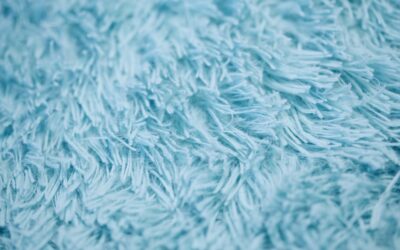
The fabric affects how the color looks more than most buyers realize. Cotton percale gives a crisp matte finish that shows the blue at its truest. Sateen weaves add a subtle sheen that deepens the color and reads more luxurious. Linen has a slubby texture that scatters light and softens the blue toward a more vintage feel.
For year-round comfort, stick with 200-400 thread count cotton percale or a 300-thread sateen. Higher thread counts (600+) often signal multi-ply yarns that trap heat and pill faster.
Color Pairings That Work
Light blue plays well with a wide range of accent colors, but some combinations are stronger than others:
- White and cream: The classic coastal or French country look. Crisp, restful, easy to layer.
- Warm woods: Walnut, oak, and teak headboards or nightstands ground the cool blue.
- Soft yellows: Buttercream and mustard yellows complement blue beautifully without competing.
- Coral and terracotta: Add warmth and energy in a controlled dose.
- Sage and olive green: Create a botanical, garden-inspired palette.
- Blush pink: Soft and romantic, popular in nursery and guest room styles.
Avoid pairing light blue with cold gray and stark white together — the room can read clinical. Always include at least one warm element, even if it is just a brass lamp or a wood frame.
Layering for Visual Depth
A bed that uses only one shade of blue looks flat. Build interest with multiple textures and slight color variations:
- Fitted sheet in solid light blue.
- Top sheet in white or a paler blue.
- Duvet cover in a slightly different blue or a blue-and-white pattern.
- Two euro shams in a coordinating pattern.
- Two standard pillowcases matching the sheets.
- One or two accent pillows in a contrasting color or pattern.
- A folded throw blanket at the foot of the bed in a complementary tone.
Mix solids with stripes, small florals, or geometric patterns. Three patterns of different scales (small, medium, large) keep the bed visually balanced.
Best Bedding Sets to Consider
For under $200, Brooklinen Classic Percale in Smoke Blue ($150 for queen) and Target’s Threshold Performance Sheet Set in Light Blue ($35) both deliver good fabric quality at the price. Mid-range buyers should look at Boll and Branch organic cotton in Mineral Blue ($280) or Parachute’s percale in Mist ($220).
For premium options, Matouk’s Sierra collection in their custom blues ($450+) and Frette Hotel Classic in Powder Blue ($600+) hold up to commercial laundering and last 8 to 10 years with regular use.
Wall Colors That Frame Light Blue Bedding
White walls (Benjamin Moore Simply White, Sherwin-Williams Pure White) let blue bedding be the focal point. Cream and ivory walls (Benjamin Moore White Dove, Farrow and Ball Pointing) add warmth without overpowering. Soft gray walls (Sherwin-Williams Repose Gray, Benjamin Moore Classic Gray) create a sophisticated monochrome look.
Blue walls work too, but pick a different value than the bedding. A medium or dark blue wall with light blue bedding creates depth; matching the same shade flattens the room.
Seasonal Adjustments
Swap accent layers seasonally to keep the look fresh. In summer, light cotton throws and white euro shams emphasize the airy quality. In winter, add a chunky knit throw in cream, oatmeal, or warm gray, plus heavier velvet accent pillows. The base bedding stays the same; only the top layers rotate.
Common Mistakes to Avoid
Matching everything in identical light blue creates a hospital-room effect. Always include contrast through pattern, texture, or accent color. Skipping the top sheet, while popular in European design, leaves duvet covers needing more frequent washing — and with light colors, that means visible wear faster.
Buying only solid bedding makes the bed look unfinished. At minimum, add patterned euro shams or accent pillows to give the eye somewhere to land.