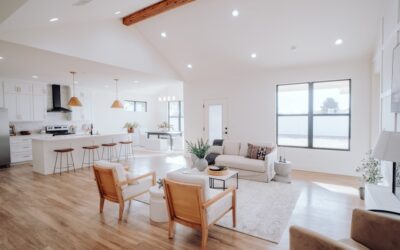
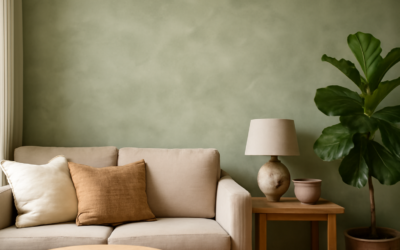
There is a reason designers keep reaching for this old-world finish: it adds a depth and movement that flat modern paint simply cannot match. The best limewash paint colors create a soft, cloudy, weathered texture that makes walls feel alive rather than flat. Choosing among the many limewash paint colors means thinking not just about hue but about the chalky, layered character this mineral finish brings to a room.
Part of our Paint & Walls guide — explore the full guide →
Limewash has been used for centuries on European villas and farmhouses, and it is enjoying a major revival on both interior accent walls and full exterior facades.
- What Makes Limewash Different
- The Most Popular Limewash Colors
- Limewash Versus Regular Paint Cost
- Where Limewash Works Best
- How Application Differs
- Controlling the Look
- Durability and Maintenance
- Limewash Over Brick Fireplaces
- Common Limewash Mistakes
- Sealing and Protecting Limewash
- Is Limewash Right for You
What Makes Limewash Different
Regular paint sits on top of a surface as a plastic film. Limewash is different: it is made from slaked lime and natural pigments, and it soaks into porous surfaces, curing into the substrate rather than coating it. The result is a matte, mottled, slightly translucent finish with visible brushstrokes and tonal variation.
That texture is the whole point. Instead of a single flat color, you get subtle shifts of light and shadow across the wall, which reads as sophisticated and handcrafted. Limewash is also breathable and naturally mold-resistant, which is why it has survived on stone and plaster buildings for so long.
The Most Popular Limewash Colors
Because limewash builds depth through layering, even neutral shades look rich. These are the colors homeowners request most, available through brands like Romabio, Portola Paints, and Bauwerk.
- Soft whites and creams: The classic choice, giving an airy Mediterranean feel
- Warm greiges and taupes: Cozy and grounded, perfect for living spaces
- Earthy terracottas and clays: Rich, sun-baked warmth for accent walls
- Muted sages and olive greens: Organic and calming, on-trend for bedrooms
- Deep charcoals and moody blues: Dramatic and enveloping in the right room
Romabio’s Riposo Beige and Nube Gray are perennial favorites for exteriors, while Portola’s interior limewash line offers dozens of soft, layered tones.
Limewash Versus Regular Paint Cost
Homeowners are often surprised by the pricing math on limewash. Per gallon, quality limewash runs $50 to $90, which is comparable to or slightly above premium latex paint. Where it differs is coverage and labor. Limewash covers less area per gallon, roughly 200 to 300 square feet, because it is applied in thin coats, and the brushing technique takes more time than rolling.
That said, on porous surfaces like brick and stucco, limewash needs no primer, which offsets some cost. For a DIYer willing to invest the time, a limewash accent wall or fireplace makeover is genuinely affordable, often under $100 in materials. Hiring a pro costs more than standard painting because of the specialized technique, so many homeowners tackle limewash themselves and reserve professional help for large exterior jobs.
Where Limewash Works Best
Limewash truly shines on porous, mineral surfaces. On exteriors, it is spectacular over brick and stucco, giving a classic Old World patina that many homeowners use to soften or transform dated red brick. Indoors, it looks stunning on plaster, drywall, and masonry accent walls.
Bedrooms, living rooms, and dining rooms benefit most from the cozy, textured atmosphere. It is less suited to high-moisture, high-scrub areas like shower walls, though a proper mineral limewash on exterior brick handles weather beautifully. Consider it anywhere you want a wall to feel like a focal point rather than a backdrop.
How Application Differs
Applying limewash is a different craft than rolling on latex paint, and embracing that is key to a good result. It is brushed on in thin coats using a wide, natural-bristle limewash brush, worked in loose, crisscrossing strokes. The movement of your brush creates the finished texture, so there is an artistry to it.
- Prep the surface; porous masonry needs only cleaning, while drywall needs a mineral primer
- Dampen the wall lightly for better absorption on exteriors
- Brush on the first thin coat in random, overlapping strokes
- Let it fully cure, which reveals the true, lighter dried color
- Apply a second coat to build depth and even out coverage
The color always dries several shades lighter than it looks wet, which surprises first-timers, so always test and let a sample fully cure before judging.
Controlling the Look
You have real control over how dramatic or subtle the finish reads. For a soft, uniform look, apply more coats and blend the strokes carefully. For a bold, weathered, cloudy effect, use fewer coats and leave more variation, letting some of the base show through.
On brick specifically, you can wipe back a fresh coat with a damp sponge to expose bits of the underlying brick for a distressed, aged patina. This technique gives that coveted Belgian farmhouse look where the wall appears to have mellowed over decades.
Durability and Maintenance
A genuine mineral limewash is remarkably durable outdoors, chemically bonding to masonry and lasting many years, often improving with age as it develops patina. Interior limewash on drywall is more delicate and can rub off if scrubbed hard, so it suits lower-traffic walls or should be sealed with a matte topcoat in busy areas.
Cleaning is gentle: dust with a soft brush or wipe lightly with a barely damp cloth. Avoid harsh scrubbing, which can disturb the chalky surface. When an interior wall eventually needs a refresh, you simply brush on another coat.
Limewash Over Brick Fireplaces
One of the most transformative uses of limewash is over a dated brick fireplace. That orange-red 1980s brick that dominates a living room can be softened or completely reinvented in an afternoon. Because brick is porous, limewash bonds beautifully to it without primer, curing into the surface for a durable, breathable finish.
For a fireplace, you can go fully opaque for a clean painted look, or wipe back the fresh coat with a damp sponge to leave hints of brick showing through for a weathered, European patina. The German Smear technique, closely related to limewash, uses mortar for an even chunkier, old-world texture. Either way, this is one of the highest-impact updates you can make to a room for under $100 in materials.
Common Limewash Mistakes
Because limewash behaves so differently from regular paint, first-timers make a few predictable errors. Avoid these and your finish will look intentional and rich rather than patchy.
- Judging color while wet: It always dries several shades lighter, so wait for a cured sample
- Using the wrong brush: A stiff, wide limewash brush creates the signature texture; a roller flattens it
- Applying too thick: Thin coats build depth; heavy coats crack and look muddy
- Skipping mineral primer on drywall: Non-porous surfaces need it for the wash to grip
- Rushing between coats: Each layer must fully cure to reveal its true tone before the next
Patience is the whole game with limewash. Let each coat cure, judge the dried color, and build slowly for the best result.
Sealing and Protecting Limewash
Genuine mineral limewash on exterior masonry needs no sealer; it chemically bonds and weathers gracefully on its own. Interior limewash on drywall is more delicate, and in high-touch or high-moisture areas you may want protection. A matte, breathable mineral sealer can be applied over cured limewash to add washability without killing the soft, chalky look.
Be aware that sealing slightly deepens the color and can reduce some of the natural variation, so test it on a sample first. In low-traffic rooms like bedrooms, most people skip the sealer entirely and simply touch up with another brushed coat if a mark appears years later. That easy repairability is one of limewash’s quiet advantages over conventional paint.
Is Limewash Right for You
Choose limewash when you want texture, character, and an artisanal, timeless look rather than a flat, uniform color. It is the perfect finish for a dated brick fireplace, a tired exterior, or a bedroom accent wall that needs soul. If you crave a flawless, wipeable, perfectly even surface, standard paint will serve you better.
Budget roughly $50 to $90 per gallon for quality limewash, with coverage around 200 to 300 square feet per gallon depending on the surface. It costs a bit more and takes a bit more skill, but the depth and warmth it brings to a room are genuinely hard to replicate any other way.