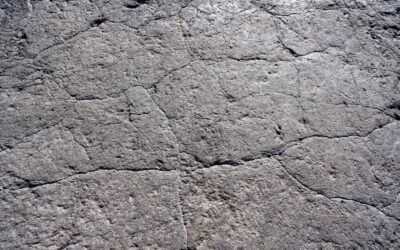
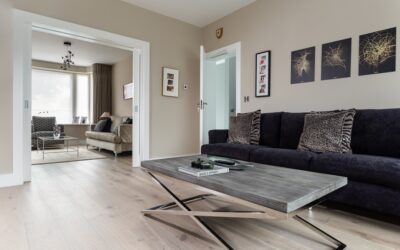
Natural stone floors are stunning, but they are also cold, hard, expensive, and demanding to maintain, which sends a lot of homeowners looking for the look without the drawbacks. LVP that looks like stone answers that wish, using high-resolution printing and embossed texture to reproduce marble, slate, travertine, and concrete on a warm, comfortable, waterproof vinyl plank or tile. If you want the elegance of stone in a kitchen or bathroom without the cost and chill of the real thing, here is how to choose it.
How Vinyl Convincingly Mimics Stone
The realism in modern stone-look vinyl comes from layered construction. A photographic print layer captures the veining of marble or the cleft texture of slate in high definition, while an embossed wear layer adds physical texture you can feel, so the surface reads as stone to both the eye and the hand. The best products use embossed-in-register technology, aligning the texture precisely with the printed pattern for a strikingly authentic look.
Because it is vinyl, this flooring is warmer underfoot than real stone, softer if you drop a glass, and completely waterproof. It is sold both as long planks and as square or rectangular tiles, and many stone-look lines come in a grouted-tile format so you can install matching vinyl grout strips for an even more convincing stone-floor effect.
The Stone Looks You Can Get
Vinyl reproduces a wide range of natural materials, and the style you pick sets the whole room’s tone.
- Marble: bright whites and grays with dramatic veining for an elegant, high-end look without the fragility of real marble.
- Slate: rich charcoal, gray, and multi-tone cleft textures that suit entryways and mudrooms.
- Travertine: warm beige and tan tones with a soft, natural mottling, popular in Mediterranean-style spaces.
- Concrete and cement: smooth, modern gray fields for a contemporary, industrial look.
- Limestone and terrazzo: subtle, speckled patterns for a refined, understated floor.
Many collections offer these as tiles with a groutable edge, so you get the look of a stone floor complete with grout lines, but with the comfort and easy install of vinyl.
What It Costs
Cost is one of the biggest reasons to choose stone-look vinyl over the real thing. Stone-look LVP typically runs $2.50 to $6 per square foot for the material, with premium rigid-core and thicker wear-layer products reaching $6 to $8. Professional installation adds roughly $1.50 to $4 per square foot.
Compare that with genuine natural stone, which often costs $8 to $20 or more per square foot for the material alone, plus specialized installation, sealing, and ongoing maintenance. For an average 200-square-foot kitchen, stone-look vinyl might total $800 to $2,000 installed, a fraction of a real stone floor, with none of the sealing chores.
Where to Use Stone-Look LVP
Because it is waterproof and comfortable, stone-look vinyl thrives in exactly the rooms where real stone is most tempting but least practical. Kitchens benefit from a floor that looks like marble or travertine yet forgives dropped dishes and spilled wine. Bathrooms and laundry rooms get a spa-like stone appearance that handles standing water without staining or grout mold.
Entryways and mudrooms suit slate looks that hide dirt and survive wet boots. It also works throughout open-plan main floors where you want a consistent, upscale surface. About the only place to be cautious is a heavily sun-drenched sunroom, where you should choose a UV-stable product to prevent long-term fading.
Pros and Cons
Weighing the trade-offs makes the decision clear for most rooms.
- Warmer and softer than real stone, with more give underfoot and less fatigue when you stand to cook.
- Waterproof and low-maintenance, with no sealing required, unlike porous natural stone.
- Far cheaper to buy and install, and often DIY-friendly with click-lock systems.
- Less prestige and resale value than genuine stone, and it cannot be refinished.
- Very high-end stone can still outshine it up close, though the gap keeps narrowing.
Installation Notes
Most stone-look LVP installs as a floating click-lock floor over a flat, clean, dry subfloor, and rigid SPC cores are forgiving of minor imperfections. For the groutable tile versions, you set the planks and then apply flexible vinyl grout between them, which takes more time but delivers the most authentic stone appearance. Leave an expansion gap around the perimeter, acclimate the material in the room for a day or two, and level any significant dips in the subfloor beforehand. Because the planks are waterproof, they are an excellent choice over concrete slabs and in below-grade basements where real wood cannot go.
Keeping It Looking Great
Maintenance is minimal and nothing like caring for real stone. Sweep or vacuum to remove grit, then damp-mop with a vinyl-safe cleaner. Skip the sealers, waxes, and stone-specific products that natural travertine or marble would demand, and avoid abrasive pads and steam mops. Use felt pads under furniture and a mat at entrances, and the floor stays looking like fresh stone for years.
How It Compares to Porcelain Tile
Stone-look porcelain tile is the other popular way to fake natural stone, and it is worth knowing how the two differ before you decide. Porcelain wins on hardness and heat tolerance, and it can be installed with real grout for a nearly indistinguishable stone look, but it is cold and hard underfoot, requires mortar and a longer install, and cracks tile can be tricky to replace. Stone-look LVP, by contrast, is warmer, quieter, softer on your feet and on dropped glasses, and dramatically faster to install as a floating floor, often without a professional. Porcelain suits a homeowner who wants maximum durability and does not mind a cold, rigid surface, while stone-look vinyl suits anyone prioritizing comfort, quick installation, and a forgiving surface in a busy household. For basements and rooms over concrete, the waterproof, warmer vinyl is usually the more livable choice.
The Bottom Line
LVP that looks like stone lets you bring marble, slate, or travertine into your home without the cold, the cost, or the upkeep of the genuine article. It is warmer, waterproof, far more affordable, and easy to maintain, making it ideal for kitchens, bathrooms, and entryways. Choose a thicker wear layer with embossed-in-register texture for the most convincing look, consider the groutable tile format for extra realism, and you will get the elegance of a stone floor that actually fits real family life.
Prefer to explore on your own?
See how new flooring looks in your actual room in seconds — free, no signup.
Try the free Floor Studio →