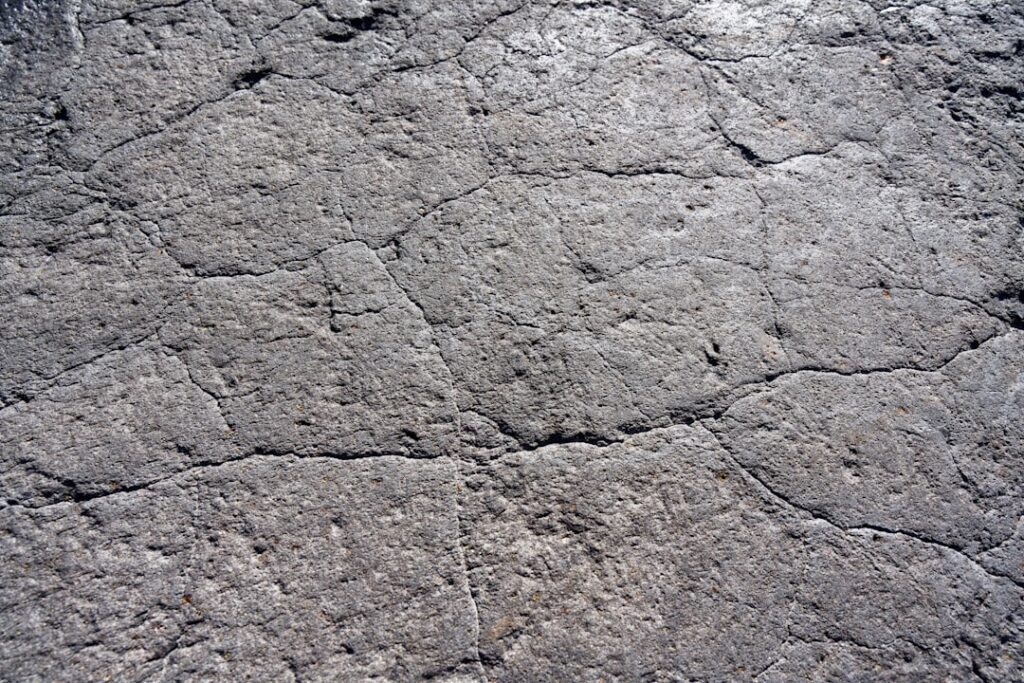
Natural stone is timeless, but it is also pricey, porous, and demanding to maintain. Modern manufacturing offers a clever way around all three problems. Tile that looks like stone uses high-definition printing and advanced texturing to mimic marble, travertine, slate, limestone, and other natural materials so convincingly that even a trained eye has to look twice. You get the organic beauty of stone with the durability, water resistance, and low upkeep of porcelain or ceramic. Here is how to choose and use it well.
Part of our Tile & Grout guide — explore the full guide →
How Stone-Look Tile Is Made
The realism in today’s stone-look tile comes from two technologies working together. Digital inkjet printing reproduces the veining, color variation, and subtle mineral patterns of real stone in fine detail, with many different face designs in a single run so no two tiles look identical. Surface texturing then adds physical relief, so the tile feels like honed limestone or rough slate rather than a flat photo. Combined, these create a product that captures the depth and movement of natural stone without its weaknesses. Most stone-look tile is porcelain, which is denser and tougher than standard ceramic.
The Stone Looks You Can Get
Manufacturers replicate nearly every popular natural stone:
- Marble-look: Elegant white and gray fields with dramatic veining, the luxury look without etching or staining.
- Travertine-look: Warm, earthy beiges and creams with the characteristic pitted, organic texture.
- Slate-look: Dark, cleft, multi-toned surfaces with a rugged, natural feel, great for traction.
- Limestone-look: Soft, muted neutrals with a calm, understated character.
- Concrete and terrazzo blends that lean modern while still echoing natural materials.
Why Choose It Over Real Stone
The advantages are substantial, which is why stone-look porcelain has become so popular:
- No sealing required: Real stone is porous and needs regular sealing. Porcelain is essentially non-porous and never needs it.
- Stain and etch resistance: Marble etches from acids like lemon and wine; porcelain shrugs them off.
- Durability: Porcelain resists scratches, chips, and heavy traffic better than many soft natural stones.
- Consistency and cost: You can order more of the same look later, and it typically costs far less than quarried stone, installed.
- Water resistance: Excellent for bathrooms, showers, and other wet areas.
The main trade-off is that, while the realism is impressive, very close inspection or touch can sometimes reveal it is not the real thing, and you lose the prestige some buyers attach to genuine stone.
Where to Use It
Stone-look tile works almost anywhere. It is a natural fit for bathroom floors and shower walls, where real stone’s porosity is a liability. It makes a durable, handsome kitchen floor and backsplash. It performs well in entryways and high-traffic living areas, and slate-look and textured options provide good slip resistance for both indoor and many covered outdoor applications. Just confirm a tile’s rating for your use; floor tiles should carry an appropriate hardness and slip rating, and outdoor or wet-area tiles should be specified for those conditions.
What Makes It Look Real
If realism is your goal, pay attention to a few details when shopping:
- Pattern variation: The more unique face designs in the line, the less repetition you will notice across a floor.
- Texture: A surface that physically mimics the stone reads far more authentically than a smooth, printed face.
- Larger formats and varied sizes mimic how natural stone is often laid.
- Matching grout: A grout color close to the tile, set in tight joints, makes the surface look more like continuous stone.
- A rectified edge, which is precisely cut for very thin grout lines, enhances the seamless effect.
Cost Considerations
Stone-look porcelain spans a wide price range depending on quality, size, and brand, but it generally costs meaningfully less than the natural stone it imitates once you factor in material and installation. You also save on long-term maintenance since there is no sealing to pay for or do. Installation cost is comparable to other tile, though large-format and rectified tiles can require a more skilled installer and careful substrate prep to lie perfectly flat. Budget for roughly 10 percent extra material for cuts and future repairs, and remember that natural stone’s sealing, polishing, and stain-repair costs add up over the years.
Mistakes That Give the Game Away
Stone-look tile can look astonishingly real, or obviously fake, depending on a few decisions. Steer clear of these common errors:
- Buying a budget line with few face patterns, which creates an obvious repeating grid that no real stone floor would ever show.
- Using a smooth, flat tile to imitate a textured stone like slate or travertine, since the missing surface relief reads as printed.
- Choosing a strongly contrasting grout, which frames every tile as a rectangle and breaks the illusion of continuous stone. Match the grout closely.
- Wide grout joints with non-rectified tile, where real stone would have tight, subtle seams.
- Mixing the tile with finishes that clash with its supposed origin, undercutting the natural look.
Spend a little more on a quality line with rich pattern variation and real texture, set it with matching grout in tight joints, and even guests who touch the floor will assume it is the real thing.
Installation and Care
Installation follows standard tile practice: a flat, sound substrate, the correct thinset, proper trowel and coverage, and full curing before grouting. Large-format stone-look tiles in particular need a very flat surface and often a special troweling technique to avoid lippage, where tile edges sit unevenly, so this is an area where a professional installer earns their fee. Once it is down, care could not be simpler. Sweep or vacuum to remove grit, and damp-mop with a pH-neutral cleaner. There is no sealing, no special stone soap, and no fear of acidic spills. Keep cement grout sealed, or choose epoxy grout to skip that step too.
Is It Right for Your Home?
For homeowners who love the look of natural stone but not its price, fragility, or upkeep, tile that looks like stone is one of the smartest choices in flooring today. It delivers the warmth of travertine, the elegance of marble, or the ruggedness of slate while resisting water, stains, and scratches and asking almost nothing in maintenance. Choose a line with plenty of pattern variation and real surface texture, set it with matching grout in tight joints, and you will get an authentic stone aesthetic that performs better than the real thing for decades.
Prefer to explore on your own?
See how new flooring looks in your actual room in seconds — free, no signup.
Try the free Floor Studio →