Porcelain tile that looks like natural stone is one of the great success stories of modern flooring. Advances in digital printing and pressing mean a porcelain tile can now mimic Carrara marble, weathered travertine, riven slate, or rustic limestone so convincingly that you often have to touch it to tell the difference, and even then it feels solid and cool like the real thing. You get the timeless beauty of stone with none of its sealing, staining, and fragility headaches.
Part of our Tile & Grout guide — explore the full guide →
In this guide I’ll explain how stone-look porcelain achieves its realism, the popular stone looks available, how it compares to genuine natural stone, what it costs, and how to choose and install it. If you love stone but dread the upkeep, this is the material that resolves the tension.
How Porcelain Mimics Natural Stone
Porcelain is made from dense, refined clay fired at very high temperatures, which makes it extremely hard and nearly impervious to water. The magic is in the surface: high-definition digital printing lays down photorealistic images of real stone slabs onto the tile before glazing. Because manufacturers scan actual marble and travertine, the veining, color depth, and subtle mineral variation look authentic.
The best products go further with textured and structured surfaces, embossing that matches the printed pattern so you feel the pitting of travertine or the cleft face of slate. Many collections include a dozen or more unique tile faces so the pattern doesn’t visibly repeat across a floor, which is the giveaway on cheaper lines. Some premium tiles even carry the veining through the body of the tile (through-body or full-body porcelain), so chips and cut edges reveal matching color rather than a different base.
Popular Stone Looks
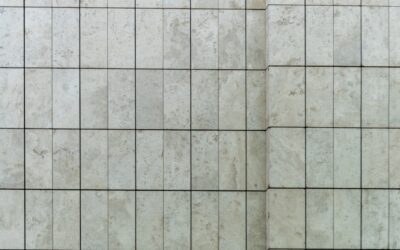
Marble-look porcelain is the most requested, delivering that white or gray field with dramatic veining, the classic luxe look, without marble’s tendency to etch from acidic spills or stain from wine and oil. Travertine and limestone looks offer warm, earthy neutrals with a soft, natural texture perfect for Mediterranean and transitional interiors.
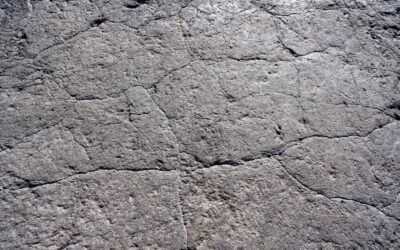
Slate-look porcelain captures the charcoal, rust, and multi-tonal riven surface of real slate, ideal for entryways, mudrooms, and modern rustic spaces, but without slate’s flaking and sealing demands. Concrete-look and terrazzo-look porcelains round out the category for contemporary and industrial designs. Whatever the stone, porcelain lets you get the aesthetic in a consistent, durable, low-maintenance form that real quarried stone can’t match for practicality.
Porcelain vs. Genuine Natural Stone
The honest comparison comes down to authenticity versus practicality. Natural stone is a real, one-of-a-kind material with genuine depth and prestige, no two slabs are alike, and to a discerning eye and hand it has a presence porcelain approaches but doesn’t fully equal. It can also be refinished and adds tangible value.
But stone is porous and needs regular sealing, it stains, etches, scratches, and chips, and it’s cold, heavy, and expensive to install. Porcelain that looks like natural stone flips every one of those drawbacks: it needs no sealing, resists stains and scratches, doesn’t etch from acids, is highly water-resistant (making it great for bathrooms and kitchens), and is more consistent and often cheaper. For most homeowners who want the look without the babying, porcelain wins on daily livability. Purists who want the real material and its resale cachet may still choose stone.
What It Costs
Stone-look porcelain tile generally runs from about $3 to $10 per square foot for the material, with premium large-format and full-body products reaching $12 to $15. Genuine natural stone tile, by comparison, often costs $5 to $20-plus per square foot for material and more to install because it’s heavier and needs sealing.
Installation for porcelain adds roughly $5 to $12 per square foot depending on tile size, pattern complexity, and region, large-format tiles need a very flat substrate and skilled setting, which costs more. For a 100-square-foot bathroom, budget perhaps $800 to $2,200 installed for a good stone-look porcelain. Factor in thinset, grout, and any waterproofing membrane for wet areas, and order 10 to 15 percent extra tile for cuts, breakage, and future repairs.
How to Choose the Best Stone Look
Realism is in the details, so evaluate samples critically. Look for a high number of unique tile faces (ask the supplier how many are in the run) so your floor won’t show obvious repeats. Prefer tiles with surface texture registered to the print for a convincing feel, and consider through-body porcelain if edges or chips will be visible. Rectified tiles, precisely cut for tight, thin grout joints, look more like continuous stone than tiles with wide grout lines.
Match the finish to the room: matte and textured finishes are safer underfoot and hide smudges, while polished marble-look tiles are gorgeous but slippery when wet, better for walls or low-traffic areas than a bathroom floor. Check the PEI rating for wear (PEI 3 or higher for floors) and the slip rating for wet zones. View large samples in your actual lighting, and lay several together to judge the pattern variation.
Understanding Finishes and Slip Resistance
Porcelain that looks like natural stone comes in several surface finishes, and choosing the right one matters for both looks and safety. Polished finishes deliver the high-gloss shine of honed marble and look luxurious, but they’re slippery when wet and show scuffs, so reserve them for walls, low-traffic areas, or dry rooms. Matte and honed finishes offer a softer, more natural stone appearance with better grip, a safer, more practical choice for most floors.
Textured and structured finishes go further, physically replicating the pitted, cleft, or riven surface of travertine and slate, and these provide the best slip resistance for wet areas like bathroom floors, showers, and entryways. Check the tile’s slip rating (often given as a DCOF or R-value) for any wet zone. Matching the finish to the room, textured for wet and high-traffic areas, polished only where it’s safe, is one of those details that separates a floor that merely looks good from one that also performs and lasts.
Large-Format and Grout Considerations
A trend that boosts realism is large-format porcelain, big tiles and even slab-sized panels that reduce the number of grout lines, making a floor read more like continuous natural stone. Fewer joints means a more seamless, high-end look, but large tiles demand an exceptionally flat, rigid substrate, any deflection or unevenness telegraphs through and can crack the tile or cause lippage where edges sit at different heights.
Grout choice also shapes the final appearance. For the most stone-like effect, use a grout color closely matched to the tile so the joints nearly disappear, and choose rectified tiles that allow tight, thin joints. A contrasting grout, by contrast, frames each tile and reads more obviously as tile than stone. Because grout is the part most likely to stain and discolor over time, sealing the grout (the tile itself needs no sealing) and keeping it clean is what keeps your stone-look floor looking sharp for the long haul.
Installation and Care
Stone-look porcelain installs like any quality tile but demands a flat, solid, properly prepared substrate, especially for large-format tiles, which crack over any deflection or unevenness. Wet areas need a waterproofing membrane beneath. Use the right thinset, back-butter large tiles for full coverage, and keep grout joints consistent. Because porcelain is dense and hard, cutting requires a good wet saw with a porcelain blade.
The upkeep is where porcelain pays you back for years. Sweep or vacuum grit and damp-mop with a pH-neutral cleaner, no sealing, no special stone soaps, no worrying about acidic spills. Keep grout lines clean (and consider sealing the grout, not the tile) to keep the whole floor looking sharp. With virtually no maintenance and excellent durability, porcelain tile that looks like natural stone gives you the beauty of stone that will still look pristine long after a real stone floor would have needed resealing and repair.
Prefer to explore on your own?
See how new flooring looks in your actual room in seconds — free, no signup.
Try the free Floor Studio →