Choosing the best tile for kitchen floor means balancing durability, slip resistance, maintenance, aesthetics, and budget. The kitchen is one of the hardest-working rooms in any home — it sees heavy foot traffic, dropped cookware, spilled liquids, grease, and constant cleaning. The right kitchen floor tile handles all of this while looking great for decades.
Part of our Kitchen Remodeling guide — explore the full guide →
This guide covers the top tile options for kitchen floors in 2026, including specific product styles, slip resistance ratings, grout maintenance tips, and cost breakdowns by tile type.
- Porcelain Tile — The Most Durable Kitchen Floor Tile
- Stone-Look Porcelain Tile
- Wood-Look Tile
- Large-Format Tile (24×24 and Larger)
- Encaustic & Patterned Tile
- Slip Resistance for Kitchen Tile
- Grout Maintenance Tips for Kitchen Tile
- Kitchen Floor Tile Cost by Type
- Best Kitchen Floor Tile: Quick Comparison
- Frequently Asked Questions
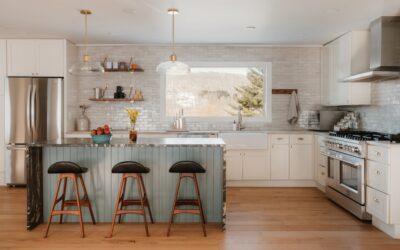
While you’re upgrading the kitchen floor, it might be a good time to rethink the seating too. Swapping out old bar stools is one of those small changes that makes the whole room feel more pulled together.
We may earn a commission when you purchase through our links.
Porcelain Tile — The Most Durable Kitchen Floor Tile
Porcelain tile is the gold standard for kitchen floors and the most recommended tile type by flooring professionals, interior designers, and builders. Porcelain is made from refined clay fired at extremely high temperatures (2,200°F+), producing a dense, hard, virtually impervious material that outperforms every other tile type in durability and water resistance.
Why porcelain dominates kitchen floors:
- Water absorption rate below 0.5% — effectively waterproof, even without sealing
- PEI rating 4 or 5 (Porcelain Enamel Institute hardness scale) — handles heavy residential and light commercial traffic
- Scratch, stain, and chemical resistant — handles dropped cookware, wine spills, cleaning chemicals, and pet accidents
- Heat resistant — a hot pan dropped on the floor will not damage the tile
- 50 to 100+ year lifespan with minimal maintenance
- Vast style selection — available in stone looks, wood looks, concrete looks, solid colors, patterns, and custom designs
Through-body porcelain (where the color and pattern extend through the full thickness of the tile) is the most durable option — chips and scratches are less visible because the interior matches the surface. Glazed porcelain has a printed and glazed surface layer that offers unlimited design options but shows chips more visibly.
Cost: $3 to $10 per square foot for materials; $8 to $18 installed.
Stone-Look Porcelain Tile
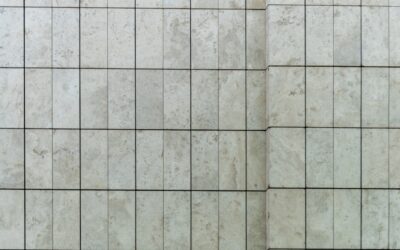
Stone-look porcelain is the most popular kitchen tile trend, offering the beauty of natural marble, travertine, slate, and limestone without the maintenance, sealing, and acid sensitivity of real stone. Modern inkjet printing technology creates stunningly realistic stone patterns with natural variation across each tile.
Marble-look porcelain replicates Calacatta, Carrara, and Statuario marble with dramatic veining and warm white backgrounds. Unlike real marble (which etches instantly from lemon juice, vinegar, and tomato sauce — all common in kitchens), porcelain is acid-proof and requires zero sealing.
Slate-look porcelain offers the textured, earthy appearance of natural slate with consistent thickness and calibration (natural slate varies in thickness, making installation harder). Slate-look porcelain works well in rustic, farmhouse, and transitional kitchen designs.
Travertine-look porcelain captures the warm, creamy tones and subtle pitting of real travertine. It delivers the Mediterranean aesthetic without the sealing, filling, and staining issues that real travertine presents in a kitchen environment.
Cost: $4 to $12 per square foot for materials; $9 to $22 installed.
Wood-Look Tile
Wood-look porcelain tile gives you the warm, natural appearance of hardwood with the waterproof durability of porcelain. Plank-shaped tiles (typically 6 to 9 inches wide by 24 to 48 inches long) are installed in staggered patterns that closely mimic real wood plank flooring.
Modern wood-look tile features embossed surface textures that replicate the grain, knots, and saw marks of real wood species — oak, walnut, hickory, and reclaimed barn wood patterns are the most popular. From standing height, high-quality wood-look tile is difficult to distinguish from real hardwood.
Benefits for kitchens: You get the warmth and character of a wood floor in a room where real hardwood is risky (spills, dishwasher leaks, high humidity near the sink). Wood-look tile extends seamlessly from the kitchen into adjacent living areas, creating visual continuity throughout an open floor plan.
Considerations: Grout lines between planks are the visual giveaway — they break the seamless appearance of real wood. Choose a grout color that closely matches the tile and use the narrowest grout joint your installer recommends (typically 1/16 inch for rectified tiles) to minimize visibility. The tile surface also feels harder and colder underfoot than real wood.
Cost: $4 to $10 per square foot for materials; $9 to $20 installed.
Large-Format Tile (24×24 and Larger)
Large-format tile — generally defined as tiles with any edge 24 inches or longer — creates a sleek, modern kitchen floor with fewer grout lines. Common large-format sizes for kitchen floors include 24 by 24 inches, 24 by 48 inches, and 32 by 32 inches. Some ultra-large slab formats extend to 48 by 96 inches, though these require specialized installation.
Design impact: Fewer grout lines create a cleaner, more expansive look that makes kitchens feel larger. Large tiles work particularly well in open-concept layouts where the kitchen flows into the dining and living areas — the continuous tile field unifies the entire space.
Installation considerations: Large-format tiles require a very flat subfloor (1/8 inch variation per 10 feet maximum). They must be installed with medium-bed mortar using proper trowel size, and “back-buttering” (applying mortar to both the substrate and the tile back) is required to achieve full coverage and prevent lippage. Hire an experienced tile installer — large-format tile installation is more demanding than standard sizes.
Rectified edges (precision-ground to exact dimensions) allow for tighter grout joints — as narrow as 1/16 inch — which enhances the seamless appearance. Most premium large-format tiles are rectified.
Cost: $5 to $15 per square foot for materials; $10 to $25 installed (higher installation cost due to difficulty).
Encaustic & Patterned Tile
Encaustic tile (and encaustic-look porcelain) brings bold, decorative patterns to the kitchen floor — geometric motifs, floral designs, Moroccan-inspired patterns, and Mediterranean mosaics. Traditional encaustic tile is made from colored cement (not glaze), with the pattern extending through the full thickness. Modern encaustic-look porcelain uses inkjet printing to replicate the appearance on a more durable, lower-maintenance surface.
Design applications: Patterned tile works as a full kitchen floor in eclectic, Mediterranean, and bohemian interiors. It also works beautifully as a feature section — a patterned tile “rug” beneath the kitchen island or in the cooking area, bordered by solid-color tile or wood flooring.
Practical notes: True cement encaustic tile is porous and requires sealing. Encaustic-look porcelain has all the durability advantages of standard porcelain with no sealing required. For kitchen floors, porcelain encaustic-look tile is the more practical choice.
Cost: True encaustic cement tile: $8 to $20 per square foot. Encaustic-look porcelain: $4 to $12 per square foot. Installation: $10 to $25 per square foot (pattern alignment increases labor).
Slip Resistance for Kitchen Tile
Kitchen floors get wet — splashing from the sink, spills during cooking, mopping residue. Slip resistance is a critical safety consideration when choosing kitchen tile.
Tile slip resistance is measured by the DCOF (Dynamic Coefficient of Friction) rating. For wet areas like kitchens, the American National Standards Institute (ANSI) recommends a DCOF of 0.42 or higher. Look for this rating on the tile specification sheet — reputable manufacturers publish it for every product.
| Surface Finish | Typical DCOF | Slip Resistance | Kitchen Suitability |
|---|---|---|---|
| Matte / textured | 0.50 – 0.80 | Good to excellent | Best choice |
| Satin / semi-matte | 0.42 – 0.55 | Adequate | Good choice |
| Polished / high-gloss | 0.25 – 0.40 | Poor when wet | Not recommended |
| Lappato (semi-polished) | 0.35 – 0.50 | Borderline | Check specific tile |
Recommendation: Choose matte or textured porcelain for the safest kitchen floor. If you prefer the look of polished tile, consider a lappato (semi-polished) finish that offers a subtle shine with better traction than full polish. Avoid high-gloss polished porcelain on kitchen floors — it becomes dangerously slippery when wet.
Grout Maintenance Tips for Kitchen Tile
Grout is the high-maintenance element of any tile floor. In the kitchen, grout is exposed to food stains, grease, spills, and aggressive cleaning — making maintenance essential.
Choose the right grout: Epoxy grout is the best choice for kitchen floors. It is waterproof, stain-proof, does not require sealing, and resists mold, mildew, and discoloration. It costs more and is harder to install than standard cement grout, but the zero-maintenance benefit is significant in a kitchen. If using cement-based grout, choose a high-quality sanded grout and seal it immediately after curing.
Seal cement grout: Apply a penetrating grout sealer within 48 to 72 hours of grouting, then reapply every 12 months. Sealed grout repels water and stains before they can absorb into the porous cementitious material.
Clean spills promptly: Even sealed grout can stain if red wine, tomato sauce, coffee, or turmeric sits on it for hours. Wipe food spills immediately — a damp cloth within 5 minutes prevents 95% of grout staining.
Choose the right grout color: In kitchens, medium-toned grout (gray, taupe, or a color close to the tile) hides dirt and staining better than white grout, which shows every discoloration. Dark grout with light tile creates a bold visual but requires less maintenance than light grout with dark tile.
Kitchen Floor Tile Cost by Type
| Tile Type | Material (per sq ft) | Installed (per sq ft) | 200 sq ft Kitchen |
|---|---|---|---|
| Basic porcelain | $3 – $6 | $8 – $14 | $1,600 – $2,800 |
| Stone-look porcelain | $4 – $12 | $9 – $22 | $1,800 – $4,400 |
| Wood-look porcelain | $4 – $10 | $9 – $20 | $1,800 – $4,000 |
| Large format (24×24+) | $5 – $15 | $10 – $25 | $2,000 – $5,000 |
| Encaustic-look porcelain | $4 – $12 | $10 – $25 | $2,000 – $5,000 |
| True encaustic cement | $8 – $20 | $15 – $35 | $3,000 – $7,000 |
| Natural stone (marble, slate) | $5 – $25 | $13 – $40 | $2,600 – $8,000 |
| Ceramic (budget) | $1 – $5 | $5 – $13 | $1,000 – $2,600 |
Best Kitchen Floor Tile: Quick Comparison
| Tile Style | Durability | Slip Resistance | Maintenance | Design Impact | Value |
|---|---|---|---|---|---|
| Porcelain (matte) | Excellent | Excellent | Very low | Clean, modern | Best overall |
| Stone-look porcelain | Excellent | Good | Very low | Luxurious, warm | Excellent |
| Wood-look porcelain | Excellent | Good | Low (grout lines) | Warm, natural | Excellent |
| Large format | Excellent | Good | Very low (fewer joints) | Sleek, spacious | Good |
| Encaustic-look | Excellent | Good | Low | Bold, decorative | Good |
| Natural stone | Good | Good (textured) | High (sealing) | Premium, unique | Fair |
| Ceramic | Moderate | Varies | Low | Good | Budget-friendly |
Frequently Asked Questions
What is the most durable tile for a kitchen floor?
Through-body porcelain tile with a PEI rating of 5 is the most durable kitchen floor tile. It resists scratches, stains, water, heat, and heavy impacts. Through-body construction means chips are less visible because the interior color matches the surface. For maximum durability, choose a matte or textured finish rated DCOF 0.42 or higher.
Is porcelain or ceramic tile better for a kitchen?
Porcelain is better for kitchen floors. It is denser, harder, more water-resistant (below 0.5% absorption vs. 0.5% to 3% for ceramic), and more durable under heavy traffic. Ceramic tile works for walls and backsplashes but is more prone to chipping and water absorption on kitchen floors.
What size tile is best for a kitchen floor?
12 by 24 inch and 24 by 24 inch tiles are the most popular kitchen floor sizes in 2026. Larger tiles create a cleaner look with fewer grout lines, while smaller tiles (under 12 by 12) can make a kitchen feel busy. For open-concept kitchens, larger formats (24 by 24 or bigger) create the most seamless, spacious appearance.
Should I use polished tile in my kitchen?
Polished (high-gloss) tile is not recommended for kitchen floors because it becomes slippery when wet. Matte, textured, or satin finishes provide better traction in a kitchen environment. If you prefer a slight sheen, lappato (semi-polished) finishes offer a compromise — check the DCOF rating to ensure it meets the 0.42 minimum for wet areas.
How do I prevent grout from staining in the kitchen?
Use epoxy grout (stain-proof, no sealing needed) or seal cement-based grout within 72 hours of installation and reseal annually. Choose a medium-toned grout color rather than white. Clean food spills from grout within minutes to prevent absorption. For the lowest maintenance, choose large-format tiles with narrow grout joints to minimize the total grout surface area.
Can I put tile over existing kitchen flooring?
You can tile over existing tile or vinyl if the existing floor is well-bonded, flat, and structurally sound. The existing surface must be cleaned, roughened (sanding or a bonding agent), and primed. However, tiling over existing flooring raises the floor height — check that doors clear and transitions to adjacent rooms work. Removing the old floor and tiling a clean substrate is always the better long-term approach.
Prefer to explore on your own?
See how new flooring looks in your actual room in seconds — free, no signup.
Try the free Floor Studio →