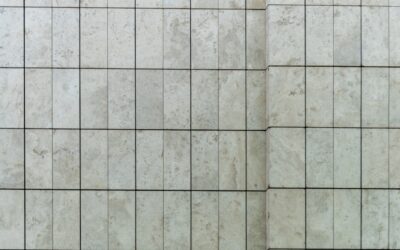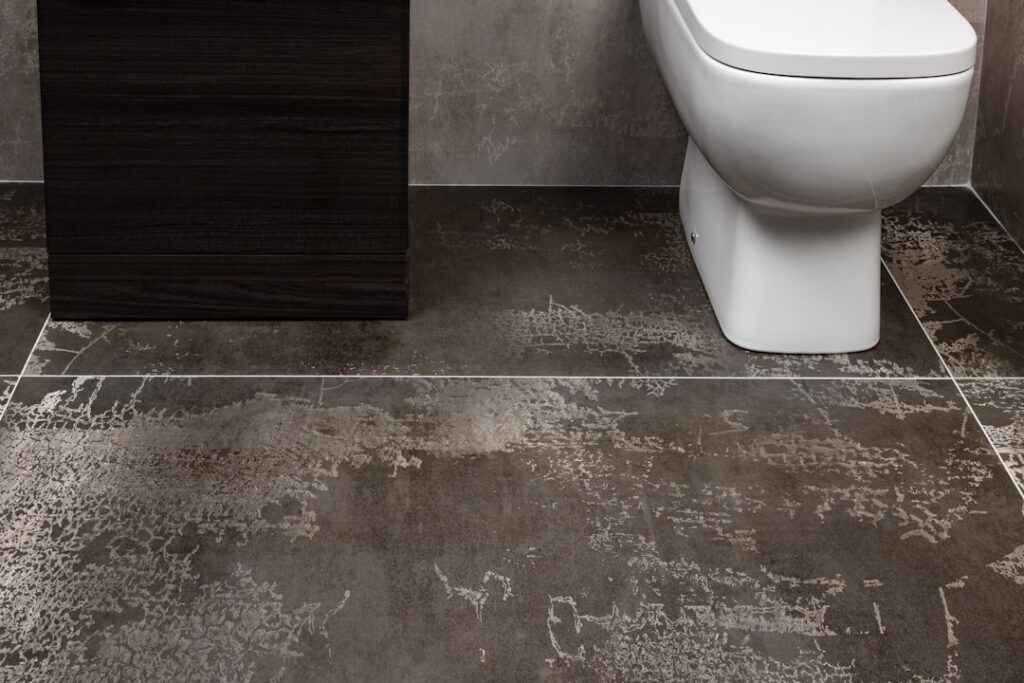
The bathroom floor is a small canvas with outsized design potential. Because the square footage is limited, you can afford to be bold, which makes it the perfect place to install unique bathroom floor tile that would feel overwhelming in a larger room. A striking floor can become the centerpiece of the entire bathroom, letting you keep walls and fixtures simple while the tile does the heavy lifting.
Part of our Bathroom Remodeling & Flooring guide — explore the full guide →
As a flooring pro, I love the bathroom floor because a beautiful, distinctive tile is one of the highest-impact, most affordable statements a homeowner can make. In this guide I’ll walk through the most compelling unique tile styles, plus the practical buying considerations, slip resistance, durability, and cost, that keep a gorgeous floor from becoming a maintenance headache.
- Why the Bathroom Floor Is Worth Splurging On
- Hexagon and Geometric Tiles
- Patterned and Encaustic-Look Tiles
- Terrazzo and Speckled Styles
- Wood-Look and Stone-Look Options
- Buying Considerations: Slip Resistance and Durability
- Cost, Grout, and Making It Work
- Mixing Patterns and Coordinating the Room
- Installation and Long-Term Care
Why the Bathroom Floor Is Worth Splurging On
A typical bathroom floor is only 30 to 50 square feet, so even premium tile stays affordable in total. Splurging on a $15-per-square-foot artisan tile might add just a few hundred dollars to the project, yet it transforms the room’s entire character. That favorable math is why designers push clients to be adventurous underfoot, even when the rest of the budget is tight.
Because the floor grounds everything else, a unique tile lets you pair it with simple white walls, a plain vanity, and neutral fixtures for a look that feels curated rather than busy. The floor becomes the focal point, and everything else supports it. This is the smart way to get high style without a high-stakes, whole-room commitment.
Hexagon and Geometric Tiles
Hexagon tile is a timeless way to add interest, and it comes in scales from tiny penny-round-adjacent hexes to bold large-format versions. Small hexagons in white with dark grout give a classic, vintage feel, while oversized hexagons in a matte charcoal or sage read distinctly modern. The geometry alone adds movement that a plain square grid cannot match.
Beyond hexagons, other geometric shapes like elongated picket, arabesque lantern, and triangle tiles create eye-catching floors. You can also combine simple square or subway tiles into herringbone, chevron, or pinwheel patterns for a custom look using economical materials. The pattern does the work, so even inexpensive tile can produce a genuinely unique result.
Patterned and Encaustic-Look Tiles
Patterned tile is perhaps the most dramatic way to make a bathroom floor unique. Traditional encaustic cement tiles feature bold Moroccan, Spanish, and Victorian-inspired motifs in blue, black, terracotta, and gray. True cement encaustic tiles are stunning but porous and require sealing, so many homeowners choose porcelain versions that print the same patterns while being fully waterproof and low maintenance.
These patterned floors turn a plain powder room or bathroom into a showpiece. A single busy pattern reads best against restrained surroundings, so let the floor be the star. Porcelain encaustic-look tiles typically run $5 to $12 per square foot and deliver that artisan look without the sealing chores of real cement, making them my usual recommendation for busy households.
Terrazzo and Speckled Styles
Terrazzo has surged back into fashion, and it is a fantastic choice for a unique yet versatile bathroom floor. The speckled, confetti-like surface, chips of marble, glass, or quartz suspended in a base, adds subtle texture and playful color that works in both retro and contemporary designs. Modern porcelain terrazzo-look tiles capture the aesthetic while being waterproof and easy to clean.
Terrazzo floors are forgiving in a practical sense too, because the speckled pattern hides small dirt, water spots, and imperfections far better than a solid color. You can choose a subtle neutral terrazzo for understated interest or a bold, colorful version as a statement. Either way, it brings personality without the visual intensity of a full geometric pattern.
Wood-Look and Stone-Look Options
If you want warmth and uniqueness without a pattern, wood-look porcelain plank tile delivers the cozy appearance of hardwood with total waterproof performance, something real wood can never safely offer in a bathroom. Laid in a herringbone or chevron pattern, wood-look tile becomes genuinely distinctive while remaining timeless and broadly appealing.
Stone-look porcelain, mimicking marble, travertine, slate, or limestone, is another route to a unique floor. A dramatic marble-look with heavy veining creates luxury, while a textured slate-look adds rustic character and natural slip resistance. These options give you standout floors with the durability and low maintenance of porcelain, avoiding the sealing and staining issues of natural stone.
Buying Considerations: Slip Resistance and Durability
Beauty means nothing if the floor is dangerous or fragile, so prioritize function alongside looks. In a bathroom, slip resistance is essential. Look for tiles with a textured or matte finish and a good slip rating; smaller tiles like hexagons and mosaics are inherently grippier because the extra grout lines add traction. Avoid highly polished tiles on the floor, no matter how gorgeous, since wet polished surfaces are hazardous.
For durability, choose porcelain over ceramic when possible, as porcelain is denser, harder, and more water resistant, ideal for bathroom conditions. Check the PEI wear rating; a rating of 3 or higher is plenty for residential bathroom floors. Also confirm the tile is rated for floor use, since some decorative tiles are wall-only and will crack underfoot.
Cost, Grout, and Making It Work
Unique bathroom floor tile spans a wide price range. Basic patterned porcelain starts around $4 to $6 per square foot, mid-range designer tiles run $8 to $15, and premium artisan or natural options can exceed $20. Because the area is small, even upscale choices stay reasonable in total, so decide based on the look you love rather than pinching pennies per square foot.
Do not overlook grout, which strongly affects the final appearance. Contrasting grout emphasizes a geometric pattern, while matching grout softens it for a seamless look. Use a stain-resistant grout and seal it if needed to keep the floor looking fresh. With the right tile, proper slip resistance, and thoughtful grout, your bathroom floor can become the unforgettable feature that defines the whole room.
Mixing Patterns and Coordinating the Room
A bold floor sets the design direction for everything else, so coordinate thoughtfully. The general rule is to let one element be the star; if your floor is a busy patterned encaustic or vivid geometric, keep the walls, vanity, and fixtures relatively simple so they support rather than compete. Pull one accent color from the floor tile and echo it in a towel, a vanity, or a light fixture to tie the scheme together without overwhelming the eye.
You can absolutely mix tiles for a custom look, pairing a patterned floor with a plain subway or large-format wall tile in a color drawn from the floor’s palette. Just limit yourself to two or three coordinating tiles maximum to avoid a chaotic result. In a small powder room you have the most freedom to go dramatic, since the space is a quick-visit jewel box. In a larger primary bathroom, temper the boldness so the room still feels restful for daily use.
Installation and Long-Term Care
A unique tile only looks its best with a proper installation, so do not cut corners on the setting. Bathroom floors require a flat, sound subfloor and, in wet zones, appropriate waterproofing beneath the tile. Intricate patterns and small mosaics take more labor to lay, which raises installation cost, so budget accordingly and consider hiring an experienced tile setter for demanding designs like herringbone or mixed-pattern floors where precision shows.
For long-term care, porcelain and glazed ceramic tiles are nearly maintenance-free, needing only regular sweeping and mopping, while natural stone and cement tiles require periodic sealing to resist stains and moisture. Keep grout clean and resealed as needed, since discolored grout ages an otherwise beautiful floor fast. Buy and store a small quantity of extra tile from your original batch, because dye lots vary and a matching spare makes future repairs seamless. With good installation and simple upkeep, a unique bathroom floor stays a showpiece for many years.
Prefer to explore on your own?
See how new flooring looks in your actual room in seconds — free, no signup.
Try the free Floor Studio →