
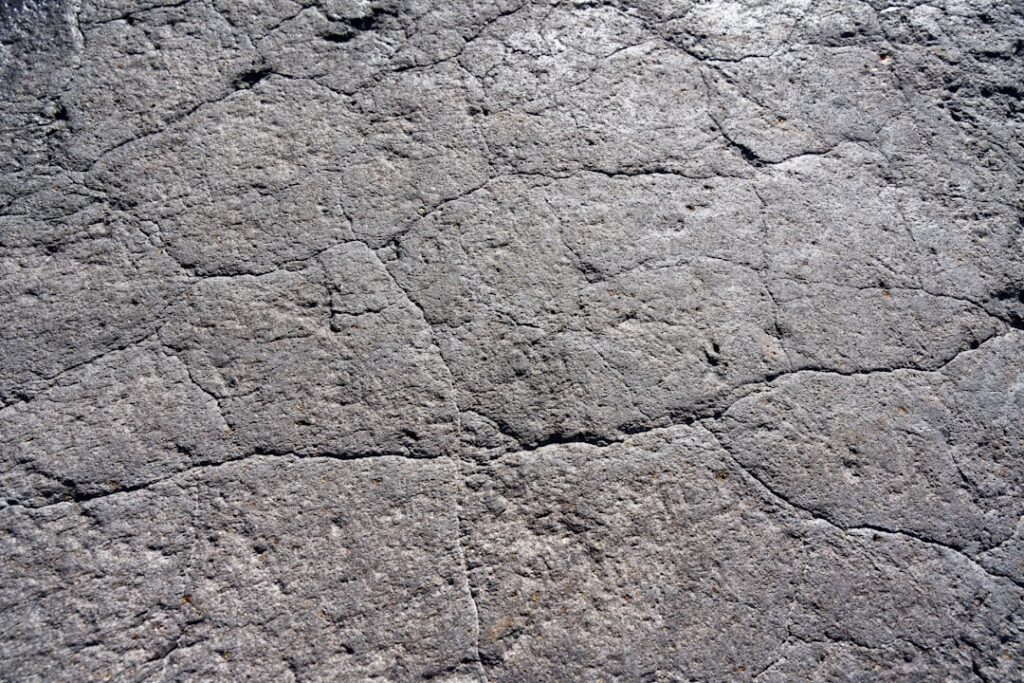
Stone looking tile gives you the rich, natural appearance of marble, travertine, slate, or limestone in a porcelain or ceramic tile that is tougher, cheaper, and far easier to maintain than the real thing. Thanks to modern high-definition printing, these tiles capture the veining, movement, and texture of quarried stone so convincingly that most people cannot tell the difference once a floor is installed. For homeowners who love the stone look but not its upkeep, it is an ideal compromise.
Part of our Tile & Grout guide — explore the full guide →
This guide explains how stone-look tile is made, the styles available, where it works, what it costs, and how to install and care for it so you get authentic beauty with practical performance.
How Stone-Look Tile Achieves the Effect
The realism comes from advanced manufacturing. High-resolution digital printing reproduces the patterns of natural stone, while textured glazes and surface finishes add subtle relief that mimics how light plays across real stone. Better tile lines use many different face patterns within a single product, so the floor avoids the repetitive look that gives away cheaper imitations. The result is a tile with the depth and variation of stone but the consistency and durability of fired porcelain.
Stone Styles You Can Mimic
- Marble-look: Elegant veining in white, gray, and gold tones for a luxurious, classic feel without marble’s etching and staining problems.
- Travertine-look: Warm, earthy beige and walnut tones with the characteristic soft texture, minus the sealing.
- Slate-look: Cleft, layered texture in charcoal, gray, and multicolor tones, great for traction and a natural, rugged look.
- Limestone-look: Soft, understated neutral tones that suit calm, contemporary spaces.
- Concrete-stone hybrids: Muted, modern surfaces that blend stone character with an industrial edge.
Why Choose Stone-Look Tile Over Real Stone
The advantages are significant, which is why this category has exploded in popularity.
- Durability: Porcelain resists scratches, chips, and heavy traffic better than many soft natural stones.
- Water resistance: Its low porosity makes it ideal for bathrooms, kitchens, and other wet areas without the constant sealing stone requires.
- Low maintenance: No sealing of the tile face, no special stone soaps, and no worrying about acidic spills that etch marble or travertine.
- Cost: It typically costs less than natural stone to buy and install.
- Consistency: You can predict the look and order matching tile, whereas natural stone varies slab to slab.
Where to Use It
Because porcelain is durable and water resistant, stone-look tile fits almost any room. It is a favorite for kitchen and bathroom floors, shower walls, entryways, mudrooms, and open living areas. Marble-look tile elevates a primary bath or a fireplace surround, while slate-look performs well in high-traffic and slightly wet zones thanks to its texture. Many stone-look porcelains are also rated for outdoor patios in suitable climates; just confirm the tile is frost-resistant and rated for exterior use before installing outside.
Finishes and Slip Resistance
The finish affects both appearance and safety. Matte and textured finishes provide better traction and a more natural stone feel, making them the right choice for floors and especially wet areas. Polished finishes deliver a shiny, marble-like elegance but can be slippery when wet, so reserve them for walls or low-moisture floors. For showers and entryways, look for a tile with an appropriate slip rating, and consider smaller tiles or mosaics on shower floors where more grout lines add grip.
Installation Tips
Stone-look porcelain installs like other porcelain tile, with a few points worth attention.
- Start with a clean, flat, rigid substrate; flatness is critical for large-format tiles to avoid uneven edges.
- Use a polymer-modified thin-set rated for porcelain, and back-butter large tiles for full coverage.
- Cut dense porcelain with a wet saw and a quality diamond blade.
- Choose a grout color that complements the stone look; a close match makes the floor read more seamless, while contrast highlights each tile.
- Use a leveling system on large tiles to keep edges flush, and dry-lay a few boxes first to blend the varied face patterns naturally.
If you are not experienced with large-format porcelain, a professional installer will ensure a flat, lippage-free result.
What Stone-Look Tile Costs
As a general estimate, stone-look tile material runs roughly $2 to $12 per square foot, with premium marble-look and large-format designs reaching the upper end. Professional installation typically adds about $5 to $14 per square foot depending on tile size, layout, and subfloor prep. Compared with natural stone, which can cost considerably more in both material and ongoing maintenance, the savings add up over the life of the floor. These are ballpark figures that vary by region, so get local quotes before budgeting.
Cleaning and Care
This is where stone-look tile truly outperforms the real thing. Sweep or vacuum regularly to remove grit, then damp mop with water or a pH-neutral tile cleaner. You do not need special stone soaps, and the surface will not etch from acidic spills the way marble or travertine can. The tile face requires no sealing. The main maintenance point is the grout: keep it clean and consider a grout sealer, since grout is the part most likely to stain. With minimal effort, the floor keeps its like-new appearance for years.
How to Spot High-Quality Stone-Look Tile
Not all stone-look tile is created equal, and a few signs separate convincing products from obvious imitations. The biggest tell is pattern repetition: cheaper tiles use only a handful of face designs, so the same vein or marking shows up over and over across the floor. Premium lines feature a dozen or more distinct faces, mimicking how no two pieces of real stone are identical. Ask the retailer how many variations the tile offers, or lay out several pieces and look for repeats.
Surface texture is the second marker. The best tiles have a finish that follows the printed pattern, so a vein you can see is also a subtle groove you can feel, which catches light like real stone. Rectified edges, meaning precisely cut straight sides, allow tighter grout lines and a more seamless, high-end look. Finally, check the thickness and the porcelain rating; a dense, well-made tile feels substantial and performs better underfoot for decades.
Final Thoughts
Stone looking tile lets you enjoy the timeless beauty of marble, travertine, slate, or limestone without the sealing, staining, etching, and cost that come with natural stone. Choose a style and finish that suit each room, favor matte or textured surfaces underfoot and in wet areas, and budget for skilled installation if you go large-format. Buy 10 to 15 percent extra for cuts and spares, and you will have a stunning, hardworking floor that looks like stone but lives like porcelain.
Prefer to explore on your own?
See how new flooring looks in your actual room in seconds — free, no signup.
Try the free Floor Studio →

