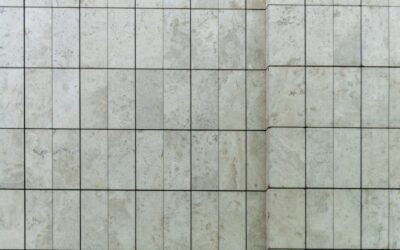
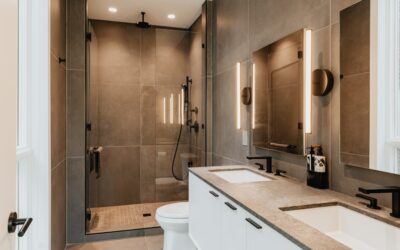
A stone tile shower brings a spa-like, natural beauty to a bathroom that few other materials can match. The depth, veining, and organic texture of real stone make every installation unique. But natural stone is also porous and demands proper waterproofing, sealing, and care to thrive in a wet environment.
Part of our Bathroom Remodeling & Flooring guide — explore the full guide →
This guide covers the best stone types for showers, what you can expect to spend, the critical waterproofing steps, and the maintenance that keeps stone looking stunning for decades. With the right approach, a stone shower is a durable, high-end feature; done wrong, it becomes a moisture and mold headache.
Best Stone Types for Showers
Not every natural stone performs equally in a shower. Density, hardness, and porosity all affect how a stone holds up to constant moisture. Here are the most common choices and how they behave.
- Marble: Luxurious and timeless, but soft and acid-sensitive. It etches from acidic products and needs diligent sealing.
- Granite: Very hard and durable, with good water resistance once sealed. Excellent for shower floors and walls.
- Travertine: Warm and earthy, but full of natural pits that should be filled and sealed to prevent water intrusion.
- Slate: Naturally slip-resistant and rugged, with a rich, textured look ideal for floors.
- Quartzite: Extremely hard and durable, combining the look of marble with greater resilience.
Waterproofing Comes First
The single most important part of any stone tile shower is what you cannot see: the waterproofing behind and beneath the stone. Stone and grout are not waterproof on their own, so the substrate must include a proper membrane system. Skipping this step leads to leaks, rot, and mold inside your walls.
Professionals typically use a waterproofing membrane such as a sheet or liquid-applied system over a cement backer board, with a properly sloped shower pan that channels water to the drain. All seams, corners, and the curb need careful detailing. Because mistakes here are hidden and expensive to fix, waterproofing is the area where hiring a qualified tile professional pays off most.
Sealing and Slip Resistance
Once installed, natural stone must be sealed with a penetrating sealer to reduce its porosity. Plan to reseal shower walls and especially floors every six months to a year, since constant water exposure breaks down sealer faster than in a dry area. A simple test is to drop water on the stone; if it no longer beads, it is time to reseal.
Slip resistance matters on any wet floor. Honed (matte) finishes and naturally textured stones like slate offer better traction than polished surfaces. Smaller floor tiles with more grout lines also improve grip, which is why many designers use mosaic stone on shower floors even when using larger tiles on the walls.
Cost Expectations
Stone showers sit at the premium end of the tile spectrum. Material costs vary widely by stone type and grade. Expect roughly the following installed ranges, which include labor, waterproofing, and setting materials.
- Travertine and basic marble: Around $15 to $30 per square foot for materials, plus installation.
- Granite and slate: Roughly $20 to $40 per square foot for materials.
- Premium marble and quartzite: $40 per square foot and well beyond for high-grade slabs.
Professional installation of a full stone shower commonly runs several thousand dollars once you factor in waterproofing, niche shelves, and precise cuts. The labor-intensive nature of stone work is a big part of the cost.
Care and Maintenance
Keeping stone beautiful is about gentle, consistent care. The wrong cleaners do real damage, so build good habits from day one.
- Squeegee the walls after each shower to reduce water spots and mineral buildup.
- Clean with a pH-neutral stone cleaner; never use vinegar, lemon, or acidic or bleach-based products, which etch and dull stone.
- Reseal on schedule based on your water-bead test.
- Ventilate well with an exhaust fan to discourage mold in grout and pitted stone.
Address any cracked grout or worn sealer promptly. Small maintenance tasks prevent water from finding its way behind the stone, which is where serious damage begins.
Design Ideas for Stone Showers
Stone gives you rich design flexibility beyond a simple all-over tile job. A popular approach is to use large-format stone slabs or big tiles on the walls to minimize grout lines, then switch to a small stone mosaic on the floor for better slip resistance and drainage. The contrast in scale looks intentional and high-end.
Built-in features elevate the look further. A recessed niche framed in the same stone keeps shampoo bottles tidy and adds a designed detail. A stone bench, sloped slightly to shed water, brings spa-level comfort. Veining direction matters too; book-matching two slabs so their veins mirror each other creates a dramatic, gallery-worthy feature wall that becomes the focal point of the bathroom.
Stone vs. Porcelain Tile That Looks Like Stone
Before committing to natural stone, it is worth comparing it honestly against porcelain that mimics stone. Porcelain has come a long way, with high-definition printing that convincingly imitates marble, slate, and travertine. The big advantages are that porcelain is non-porous, never needs sealing, resists etching from acidic products, and typically costs less to maintain over time.
Natural stone wins on authenticity and depth; no print fully matches the way light plays across real marble or the genuine texture of split slate. The trade-off is the ongoing care. If you want the stone look with minimal upkeep, porcelain is the practical pick. If you value the real material and accept the maintenance, natural stone delivers a character that porcelain only approximates.
Is a Stone Shower Right for You
A stone tile shower rewards homeowners who appreciate natural materials and are willing to maintain them. If you want low-maintenance and waterproof-by-default, porcelain tile that mimics stone is a practical alternative that needs no sealing. But if you love genuine stone’s character and depth, and you commit to sealing and gentle cleaning, the result is a striking, long-lasting centerpiece.
Consider your climate and water hardness, too. Hard water leaves more mineral deposits on stone, increasing upkeep. Matching the stone and finish to your lifestyle is the key to long-term satisfaction.
Final Thoughts
Building a stone tile shower is an investment in natural luxury that pays off when done correctly. Prioritize professional waterproofing, choose a stone suited to wet conditions, seal it on a regular schedule, and clean only with pH-neutral products. Respect what natural stone needs and your shower will stay beautiful and watertight for many years.
Prefer to explore on your own?
See how new flooring looks in your actual room in seconds — free, no signup.
Try the free Floor Studio →