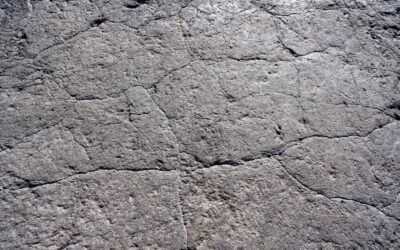
Stone wall tile brings a texture and depth to a room that printed surfaces simply cannot fake. Whether it is a marble accent behind a fireplace, a slate feature wall in the entry, or stacked ledgestone wrapping a kitchen island, natural stone reads as permanent and intentional. It also asks a little more of you than ceramic, both at install and over its lifetime.
Part of our Tile & Grout guide — explore the full guide →
This guide covers the main stone types, where each one belongs, what installation involves, and how to keep a stone wall looking sharp for decades. Think of it as the conversation you would have with a tile setter before signing off on a design.
Why Choose Stone for Walls
Stone offers something engineered materials chase but rarely match: genuine variation. No two pieces of travertine or slate are identical, so a finished wall has organic movement rather than a repeating pattern. That authenticity is the main draw. Stone also adds tactile dimension, especially in stacked and split-face formats that throw real shadow lines across the surface.
There is a practical upside too. A well-built stone wall is durable, resists everyday knocks, and tends to read as an upgrade to buyers. The tradeoff is weight, cost, and maintenance, which is why matching the right stone to the right wall matters so much.
Common Types of Stone Wall Tile
Each stone has a personality, a price point, and a comfort zone. The usual options include:
- Marble: elegant veining and a soft sheen; classic for fireplaces and bathrooms, but porous and easy to etch with acids.
- Travertine: warm, earthy tones with a naturally pitted texture; popular for rustic and Mediterranean looks.
- Slate: rich, dark, riven surfaces that handle moisture well; great for entries and accent walls.
- Granite: dense and hard-wearing; less common on walls but extremely durable where used.
- Limestone: soft, neutral, and understated; lovely but the most delicate of the group.
- Quartzite and ledgestone panels: stacked strips mounted on a backing for dramatic, fast-install feature walls.
Format matters as much as material. Large-format slabs read clean and modern, mosaic sheets suit niches and borders, and stacked stone panels deliver that bold three-dimensional wall in less time than setting individual pieces.
Where Stone Walls Work Best
Living-room fireplace surrounds are the showcase application, where a floor-to-ceiling run of stone becomes the room’s anchor. Kitchen backsplashes and island faces benefit from stone’s durability, though polished and sealed surfaces handle splatter better than rough textures. Bathrooms love marble and travertine, but wet zones demand careful sealing and the right grout. Entryways and accent walls let you use slate and ledgestone for impact without committing the whole house to a high-maintenance surface.
One caution: rough split-face stone in a shower or behind a cooktop traps grime and grease in its crevices. Save heavily textured stone for drier, lower-mess walls and reserve smoother finishes for hardworking zones.
What Installation Involves
Stone is heavier than ceramic, so the wall and the bond have to be up to the load. A reliable installation generally looks like this:
- Confirm the wall can carry the weight; large stone may need a cement backer board and, in some cases, additional support.
- Lay out the pattern dry first to balance color variation and minimize awkward cuts at corners.
- Set tiles with a polymer-modified thinset rated for stone and for vertical, heavy applications.
- Seal porous stone before grouting so grout pigment does not stain the surface.
- Grout with the appropriate joint width, then clean haze promptly before it dries.
- Apply a penetrating sealer once everything has cured.
Many stones, especially marble and limestone, can be permanently stained by grout if installed unsealed. Because of the weight, the cutting, and the sealing steps, full stone walls are a job where hiring an experienced tile setter often pays for itself.
Cost Expectations
Prices swing widely with the stone and the format, so use these as planning estimates and confirm current local pricing. Material commonly runs from roughly $7 to $30 per square foot, with premium marble and specialty slabs going higher. Stacked stone panels and mosaics carry their own pricing tiers. Professional installation typically adds another $8 to $20 or more per square foot depending on complexity, wall height, and how many cuts the layout demands.
Do not forget the supporting costs: backer board, thinset, sealer, grout, and edge trim all add up. A small accent wall can be a manageable weekend-scale budget, while a two-story fireplace surround is a meaningful investment. Get an itemized quote so you know what is material and what is labor.
Sealing and Maintenance
Sealing is the single most important habit with natural stone. A penetrating sealer fills the microscopic pores so spills sit on the surface long enough to wipe away. Most stone walls benefit from resealing every one to three years, more often in wet or high-use areas. To test whether it is time, drop a little water on the stone; if it soaks in and darkens quickly, reseal.
For daily care, dust and wipe with a pH-neutral cleaner made for stone. Skip vinegar, lemon, and generic bathroom sprays, since acids etch marble, travertine, and limestone. Blot spills fast, especially wine, oil, and coffee. With consistent sealing and gentle cleaning, a quality stone wall tile installation stays beautiful far longer than most finishes in the house.
Is Stone Wall Tile Right for You?
If you want a wall with genuine character and you are willing to seal it and clean it correctly, stone delivers a look that engineered products only imitate. If you want zero maintenance and the lowest possible cost, a porcelain tile that mimics stone might serve you better. For most homeowners the sweet spot is using real stone where it counts most, like a feature fireplace or an entry accent, and pairing it with smarter material choices in the highest-mess zones. Choose the stone for the wall’s actual job, budget for installation and sealing honestly, and you will end up with a surface you are glad you committed to.
Prefer to explore on your own?
See how new flooring looks in your actual room in seconds — free, no signup.
Try the free Floor Studio →