
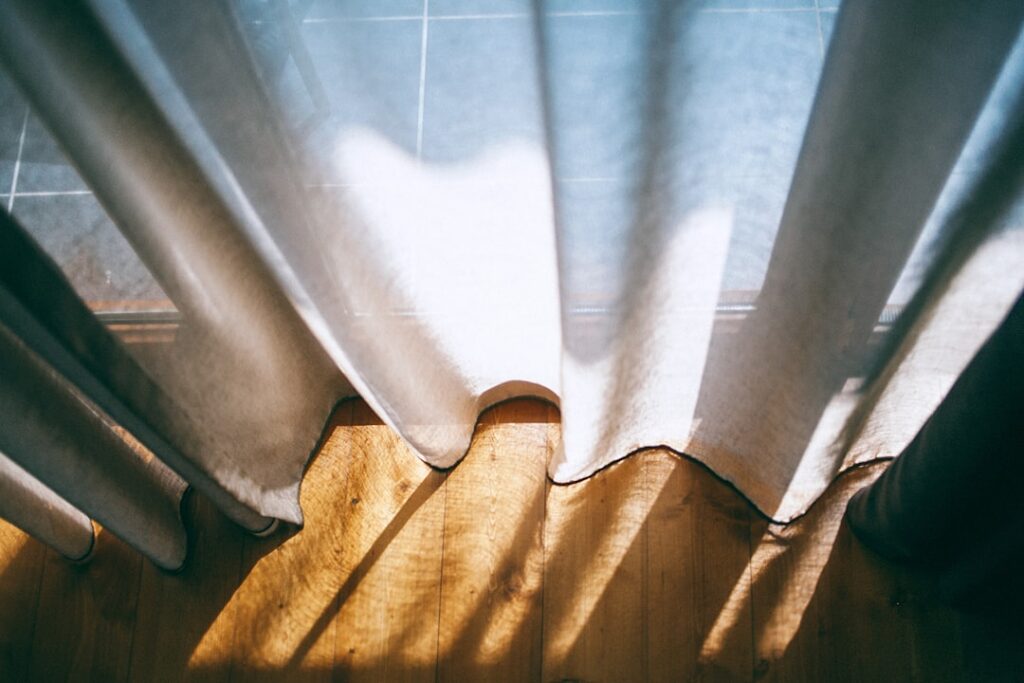
To cover the little window on a steel entry door without drilling into metal, the answer is almost always the same: magnetic curtain rods. These are lightweight rods with strong magnets built into each end cap that clamp onto any ferrous metal surface, so you can hang a curtain on a steel door, a metal file cabinet, or a fiberglass door with a metal insert in about thirty seconds. For renters and anyone who hates patching screw holes, magnetic curtain rods are one of the genuinely useful no-drill products on the market.
This guide covers where they work, where they fail, how to size them, real weight limits, and the install tricks that keep the rod from sliding down the door.
- How Magnetic Rods Actually Work
- Where They Shine and Where They Don’t
- Understanding Weight Limits
- How to Measure and Size the Rod
- Step-by-Step Installation
- Pro Tips for a Clean, Secure Hang
- Common Mistakes to Avoid
- Fabric and Curtain Choices That Work Best
- Comparing Magnetic Rods to the Alternatives
- Are Magnetic Curtain Rods Worth It?
How Magnetic Rods Actually Work
The concept is simple. Instead of brackets screwed into the wall, each end of the rod terminates in a magnetic base or an end cap containing one or more neodymium magnets. You set the base against a steel surface and it holds by magnetic force alone. The rod itself is usually a thin telescoping tube, often 5/16 inch to 1/2 inch in diameter, that expands to fit the width.
Because the whole system relies on the pull of the magnet against smooth steel, the surface matters enormously. A clean, flat, painted steel door is ideal. A textured, dented, or plastic-clad surface kills the grip. If a refrigerator magnet sticks firmly to your door, a magnetic rod will hold. If it slides or falls, the door isn’t magnetic enough.
Where They Shine and Where They Don’t
These rods have a clear lane. Use them for light jobs and skip them for heavy drapery.
Great uses:
- Sidelight or half-glass panels on a steel front or back door.
- Metal storm doors and screen doors.
- Metal French doors and patio doors with a steel frame.
- Office partitions, lockers, and metal cabinets you want to dress up.
- Rentals where you can’t drill a single hole.
Poor fits:
- Wood doors, fiberglass doors without a metal skin, and vinyl windows. The magnets have nothing to grab.
- Full-length, heavy blackout drapes. The weight will pull the magnets off.
- Wide spans over about 48 inches, where a thin telescoping rod sags in the middle.
Understanding Weight Limits
This is the number that trips people up. A typical magnetic rod holds a modest curtain, not a drape. Plan around these ranges:
- Small single-magnet caps: roughly 1 to 2 pounds of total curtain weight.
- Larger multi-magnet bases: around 3 to 5 pounds when the door is clean, flat steel.
For reference, a lightweight sheer or a cotton café curtain sized for a door window weighs well under a pound, so you have margin. A lined room-darkening panel can easily hit 3 to 4 pounds and will test the limit. When in doubt, choose the lightest fabric that gives you the privacy you want, and buy a rod that lists a stated hold weight rather than one that just says “strong.”
How to Measure and Size the Rod
Measuring for a door window is quick, but a couple of details save you a return.
- Measure the mounting surface, not the glass. You need a flat band of steel above and below the window for the magnet bases to land on. Measure the horizontal steel span where the top rod will sit.
- Pick a rod whose collapsed length is shorter than your span and whose extended length is longer, so it telescopes to fit. A rod rated 16 to 28 inches suits most door lights.
- Use two rods for a hung-flat look. A top rod and a bottom rod hold a curtain taut against the glass so it doesn’t swing when the door opens. This is the classic “hourglass” or two-rod café setup.
- Match the curtain height to the glass plus a couple inches of overlap top and bottom so no light leaks around the panel.
Step-by-Step Installation
There is no drill and no level required, but a few steps keep it neat:
- Wipe the steel surface clean. Dust, wax, or grease under a magnet cuts the hold significantly.
- Slide the curtain onto the rod through its rod pocket before you mount anything.
- Set one magnetic base on the door, then extend the rod and set the other base level by eye.
- For a two-rod setup, mount the top rod first, gather the curtain, then mount the bottom rod so the fabric is slightly stretched. A little tension keeps it flat.
- Nudge each base up and down to fine-tune. Once you let go, don’t drag the rod sideways; lift and reset instead, since dragging can scratch paint.
The entire job takes a couple of minutes and leaves zero marks when you remove it.
Pro Tips for a Clean, Secure Hang
- Add a thin felt or rubber dot to the magnet face if you’re worried about scratching a painted door. It slightly reduces hold but protects the finish.
- Go two-rod on any door you use daily. A single top rod lets the curtain flap every time the door swings, and it eventually works the magnet loose.
- Choose a rod diameter that fits your curtain’s pocket. Forcing a wide rod through a narrow sheer pocket bunches the fabric.
- Keep total weight in the lower half of the rating. Doors get bumped and slammed; leaving headroom prevents surprise drops.
- Test the door with a fridge magnet first. Ten seconds of testing saves you buying a product that won’t stick.
Common Mistakes to Avoid
Failures almost always come from one of three things. First, mounting on the wrong surface: fiberglass and vinyl doors look like steel but hold nothing, so verify with a magnet. Second, overloading the rod with a heavy lined panel that sags and eventually slides down mid-afternoon. Third, using a single rod on a slamming storm door, which shakes the curtain loose within a week.
There’s also a sizing error worth naming. People buy a rod sized to the glass width and then discover the magnet bases have to land on glass, where they can’t stick. Always leave room for the bases on the steel band around the window.
Fabric and Curtain Choices That Work Best
Because you’re working with a strict weight budget, fabric selection is half the job. Lightweight sheers, voiles, and thin cotton café panels are the natural match. A rod-pocket header slides cleanly over a thin telescoping rod and gathers into soft folds without adding bulk. Avoid grommet-top or tab-top curtains here; the hardware adds weight and doesn’t glide well on a slim rod.
For a door window, look for panels sold specifically as “door panels” or “sidelight panels.” They typically run 24, 40, or 60 inches long and are cut narrow, around 25 to 28 inches wide, which is exactly the proportion a door light wants. A single 40-inch panel gathered on a top and bottom rod covers most half-glass steel doors nicely. If you want a bit of light while keeping privacy, a white or ivory sheer diffuses the view without blacking out the entry.
One practical note on laundering: because these come off in seconds, they’re genuinely easy to keep clean. Lift both rods, slide the panel off, wash it cold, and rehang. That convenience is a quiet advantage over any bracketed rod you’d have to unscrew.
Comparing Magnetic Rods to the Alternatives
It helps to know where magnetic rods sit against the other no-drill options:
- Versus tension rods: tension rods need two facing walls or a deep recess to wedge against, which a flat door doesn’t offer. Magnetic rods win on any single steel surface.
- Versus adhesive hooks: command-style hooks hold more weight but leave a residue risk and can’t be repositioned once set. Magnets reposition instantly and leave nothing behind.
- Versus screwed brackets: brackets carry far more weight for heavy drapery but put permanent holes in a steel door, which almost nobody wants.
For the narrow job of dressing a metal door or partition with a light curtain, nothing else is as fast or as reversible.
Are Magnetic Curtain Rods Worth It?
For the right job, absolutely. At roughly $8 to $20 a rod, they’re inexpensive, they install in seconds, and they leave no damage, which makes them ideal for renters, dorms, offices, and anyone dressing a steel door. They are not a substitute for a bracketed rod carrying heavy drapery over a wide window. Match a light sheer or a café curtain to a clean steel surface, use two rods for anything on a door you open often, and you’ll get a tidy, private window covering without a single hole in the wall.
Keep the load light, keep the surface clean, and these little rods punch far above their price. That makes them a quiet, reversible upgrade for anyone who wants results today and no patchwork tomorrow.


