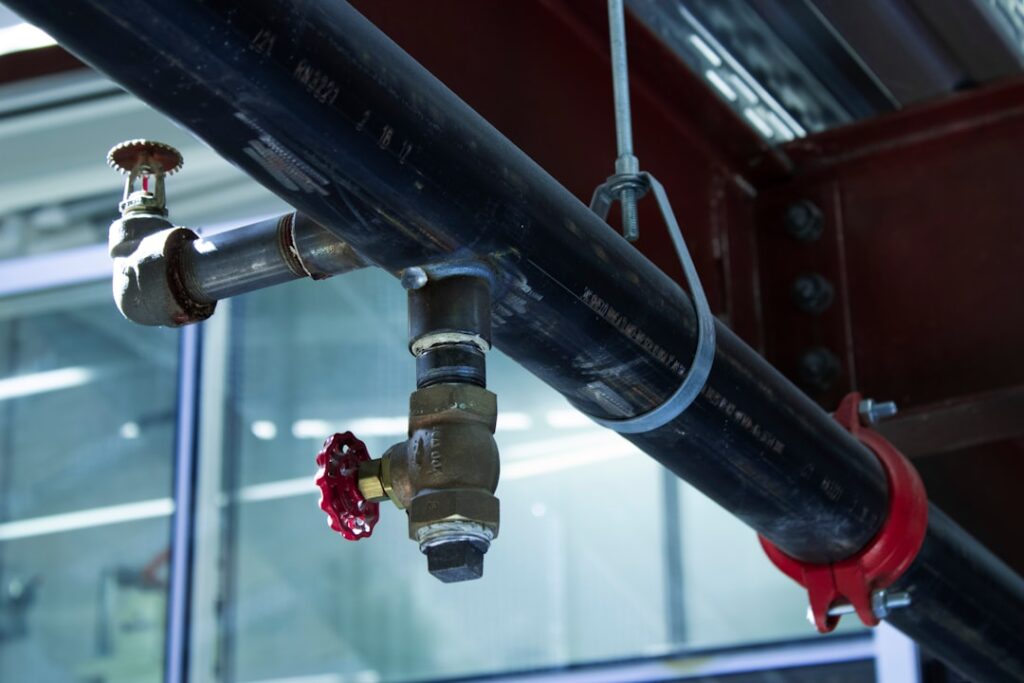
When a pipe bursts at 2 a.m., the difference between a quick cleanup and a flooded floor is whether you know where your main shutoff valve is and how to turn it. This single valve cuts all water to your home, and finding it during an emergency is the worst possible time to start looking. Every adult in the household should be able to locate and operate it in the dark, in under a minute.
What the Main Shutoff Valve Does
The main shutoff stops the entire water supply entering your home from the municipal line or your well system. Closing it halts every faucet, toilet, and appliance at once, which is exactly what you want when water is going somewhere it shouldn’t. It is your first move during a burst pipe, a failed water heater, or a fixture that won’t stop running.
This is different from the individual stop valves under sinks and behind toilets, which isolate just one fixture. The main valve is the master switch for the whole house.
Where to Find It
Location depends on your climate and home type, but a few spots are most common. Walk your home now and confirm yours before you ever need it.
- Cold-climate homes: usually indoors, often in a basement, crawlspace, or utility room near the front foundation wall where the supply line enters.
- Warm-climate homes: frequently outside on an exterior wall, in an underground box near the street, or by the water meter.
- Apartments and condos: sometimes in a closet, behind an access panel, or near the water heater.
Follow the main water line back from your water heater or meter; it leads to the valve. If your home has a meter at the curb, there is often a separate utility shutoff in the meter box, though that one is meant for the water company and may need a special key.
The Two Common Valve Types
Knowing which kind you have tells you exactly how to operate it.
- Ball valve: has a straight lever handle. When the lever is in line with the pipe, water flows; turn it a quarter turn so it sits crosswise to the pipe, and the water stops. Fast and reliable.
- Gate valve: has a round wheel handle. Turn it clockwise, often several full rotations, to close. These are common in older homes and can stiffen or fail over time.
The memory aid for any valve is “righty-tighty” to close. With a ball valve, simply rotate the lever a quarter turn until it stops.
How to Shut the Water Off
In an emergency, move fast but deliberately. Turn the valve fully to the closed position, then open a faucet on a lower floor to relieve pressure and drain the lines. If you have a slab leak or major break, kill power to your electric water heater or set a gas unit to “pilot” so it doesn’t run dry and overheat.
Once the water is off, you have bought time to assess the damage and call for help. The pressure in the lines will bleed off within a minute or two as the faucets you opened run dry.
Test It Before You Need It
Valves that sit untouched for years can seize, especially older gate valves. Exercise your main shutoff once or twice a year by closing it fully and reopening it. If it is stiff, leaks around the stem, or won’t fully stop the water, do not force it, you can snap the handle or crack the body.
A valve that no longer works is a job for a licensed plumber. Many homeowners have an old gate valve replaced with a modern quarter-turn ball valve precisely because the new style is faster and far more dependable in a crisis.
When to Call a Plumber
Operating the valve in an emergency is squarely DIY. Repairing or replacing it is not. Cutting into your main supply line, soldering or fitting a new valve, and dealing with the pressurized municipal connection all carry real risk of flooding and code issues.
- The valve won’t fully close or keeps leaking, even after gentle handling.
- The handle is broken, corroded, or spins without stopping the water.
- You want to upgrade an old gate valve to a ball valve.
- You can’t locate any shutoff at all and need one installed.
A licensed plumber can replace a failing main valve in a short visit, and the peace of mind is worth it.
Smart Add-Ons Worth Considering
If you travel often or have had leaks before, ask a plumber about an automatic leak-detection shutoff. These devices monitor flow and slam the main valve closed when they sense an abnormal, continuous run, the signature of a burst pipe. They cost more upfront but can prevent thousands of dollars in water damage while you are away.
At minimum, label your main valve clearly and make sure a path to it stays clear of stored boxes and clutter.
Know Your Other Shutoffs Too
The main valve stops everything, but in many situations you only need to isolate one fixture. Learning your secondary shutoffs lets you fix a leaky toilet or faucet without cutting water to the whole house. Most sinks have stop valves on the supply lines underneath, toilets have a stop valve on the wall behind them, and water heaters have a shutoff on the cold inlet.
Exercise these smaller valves occasionally too, since they seize just like the main one. When a single fixture leaks, closing its local stop is faster and less disruptive than shutting down the whole home, and it lets the rest of the household keep using water while you work.
Prep for Vacations and Cold Snaps
If you’re leaving home for an extended trip, shutting the main valve is cheap insurance against returning to a flood. A supply line or appliance hose can fail at any time, and with the water off, a failure can’t dump gallons while you’re away. Drain a faucet afterward to relieve pressure in the lines.
The same applies before a hard freeze if pipes are at risk, or any time you’ll be away during winter. Pair the shutoff with knowing your local stops, and you have a flexible toolkit for both emergencies and routine prevention.
The Bottom Line
Your main shutoff valve is the most important plumbing control in your home, and locating it should not wait for an emergency. Find it today, learn whether it is a ball or gate valve, and make sure everyone in the household can shut the water off in under a minute. Exercise it twice a year, and call a licensed plumber the moment it stops working reliably. That small bit of preparation can save your floors, your walls, and your weekend.