Walk into a hotel lobby that stops you in your tracks, and chances are good you’re standing on marble. The right marble colors for flooring can make a small foyer feel like a grand entrance, but the wrong shade shows every coffee drip and dust bunny. Picking a color is less about a paint chip and more about understanding how each stone behaves underfoot. After years of specifying stone for kitchens, baths, and entries, I can tell you the color you choose dictates maintenance as much as it dictates style.
Part of our Countertops guide — explore the full guide →
- Why Marble Color Matters More Than You Think
- White and Cream Marbles
- Grey Marbles
- Black Marbles
- Green and Specialty Colors
- Veining and Finish Affect Perceived Color
- Pros and Cons of Marble Flooring by Color
- Sealing, Care, and Cost
- Pairing Marble Colors With Your Decor
- Where to Use Each Color in the Home
- Choosing the Right Marble Color for Your Home
Why Marble Color Matters More Than You Think
Color isn’t just decoration with natural stone. A pale floor reflects light and visually expands a room, which is why designers reach for white and cream in tight entryways. Darker stones absorb light and ground a space, lending weight to large open-plan rooms. Beyond mood, color also tells you something practical: lighter marbles tend to telegraph etching and stains less obviously, while glossy dark marbles reveal every smudge, footprint, and water spot. Before you fall for a slab, picture it under your actual lighting and foot traffic.
White and Cream Marbles
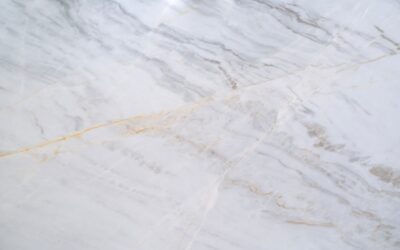
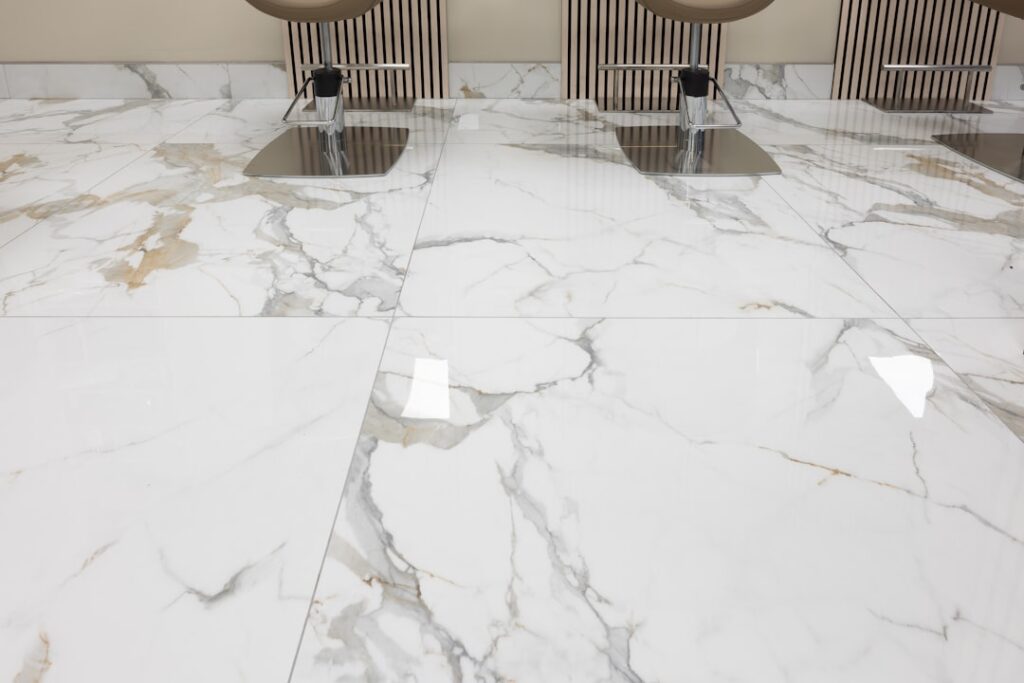
White Carrara and the more dramatic Calacatta are the classics, prized for soft grey veining over a bright background. Cream-toned options like Crema Marfil read warmer and pair beautifully with wood cabinetry and brass fixtures. These are the most forgiving colors for hiding light dust between cleanings, which matters in a busy household.
- Carrara: Feathery grey veins, widely available, the budget-friendly white.
- Calacatta: Bolder, thicker veining with a whiter base; a premium pick.
- Crema Marfil: Beige background with subtle veining, hides crumbs and pet hair well.
The catch with light marble is acid sensitivity. A splash of lemon juice or wine can leave a dull etch mark that contrasts against the polish. On cream tones the contrast is softer, which is one reason many homeowners prefer warm shades in kitchens.
Grey Marbles
Grey has surged in popularity because it bridges warm and cool palettes effortlessly. Stones like Bardiglio and grey-veined whites offer a moody, contemporary look that pairs with both matte black hardware and warm wood. Mid-tone greys are arguably the most practical color family for flooring: they camouflage minor etching, hide dust, and don’t show foot traffic the way pure white or black do. If you want marble drama without daily fussing, start here.
Black Marbles
Nero Marquina, with its deep black field and crisp white veins, is unmatched for sophistication. It makes a powerful statement in powder rooms and formal entries. Be honest with yourself about upkeep, though. Black marble shows dust, lint, water spots, and the haze of any soapy residue almost immediately. In a high-traffic space you’ll be wiping it constantly. Reserve true black for smaller, lower-use areas where the wow factor justifies the effort.
Green and Specialty Colors
Green marbles such as Verde Alpi and Verde Guatemala bring rich, dramatic movement with white or gold veining. Many green “marbles” are technically serpentine, which is more water-sensitive than calcite-based stone and can react poorly to standard wet mopping, so confirm the exact material with your supplier. Beyond green, you’ll find rose, gold, and brown-toned marbles like Emperador. These specialty colors work best as accents, borders, or in rooms where you want the floor to be the star.
Veining and Finish Affect Perceived Color
The same stone can look entirely different depending on its finish. A polished finish deepens and saturates color, making veins pop and surfaces glossy, but it also shows etching and gets slippery when wet. A honed finish is matte, mutes the color slightly, hides etch marks better, and offers more slip resistance, which makes it the smarter choice for bathrooms and entries. Veining intensity matters too. Heavy, high-contrast veining reads busier and disguises dirt patterns, while subtle veining gives a calmer, more uniform field that shows soil more readily.
Pros and Cons of Marble Flooring by Color
No single color wins on every metric. Use this quick rundown to match a shade to your real-life tolerance for maintenance.
- Pros: Unmatched natural beauty, every slab is unique, stays cool in hot climates, adds resale appeal, and can be refinished by honing out etches.
- Cons: Acid-sensitive (etches), porous (needs sealing), can be slippery when polished, cold underfoot in winter, and pricier than tile or vinyl.
Lighter colors hide etching and dust; darker and high-gloss colors demand frequent cleaning. Honed surfaces in any color cut maintenance compared to polished.
Sealing, Care, and Cost
Whatever color you land on, sealing is non-negotiable. Apply a quality penetrating sealer at installation and reseal roughly every 6 to 12 months depending on traffic. Clean only with a pH-neutral stone cleaner, never vinegar, bleach, or generic bathroom sprays that will etch the surface. Wipe spills fast, especially acidic ones. As for budget, marble tile commonly runs $10 to $40 per square foot for material, with premium Calacatta and rare colors climbing higher. Slab and intricate inlay work cost more once you factor in fabrication and skilled installation.
Pairing Marble Colors With Your Decor
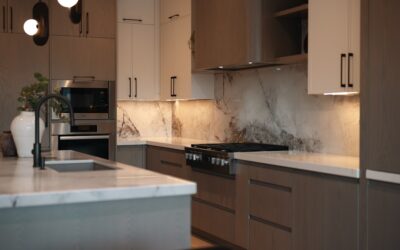
A marble floor is a long-term commitment, so it should harmonize with the elements you won’t change often. White and cream marbles flatter warm woods, brass, and soft neutral walls, lending a bright, classic feel that suits both traditional and transitional homes. Grey marble is the chameleon, working with cool blues and greens as easily as with warm walnut cabinetry, which is why it photographs so well in contemporary spaces. Black marble demands restraint elsewhere; let it be the star and keep surrounding finishes simple. Green and specialty stones look richest against creamy walls and gold or brass accents that echo their veining. Whatever you choose, bring home large samples and lay them next to your cabinet doors, paint swatches, and countertop pieces before deciding, because adjacent colors shift how a marble reads.
Where to Use Each Color in the Home
Think about the room’s traffic and exposure when matching a color to a location. Entryways and foyers take heavy boot traffic and tracked-in grit, so a forgiving mid-grey or veined cream hides wear best. Bathrooms call for honed surfaces in any color for slip resistance, with lighter tones masking water spots better than glossy black. Kitchens, where acidic spills are inevitable, favor warm creams and greys that disguise etching. Formal dining rooms and powder rooms can carry dramatic black or specialty green because traffic is light and the wow factor pays off. In open-plan homes, a single neutral marble color running throughout creates flow, while a bordered or inlaid pattern in a richer color can mark a special zone like an entry medallion.
Choosing the Right Marble Color for Your Home
Match the color to the room’s job. Pick warm cream or mid-grey for kitchens and busy entries where forgiveness matters. Save bright white and dramatic black for formal, low-traffic showpiece spaces. Reach for green or specialty tones when you want a single striking moment. Always view a full slab or several tiles in your own light before committing, and request a honed finish in wet areas. Get the color and finish right, and a marble floor will reward you with decades of timeless character.
Prefer to explore on your own?
See how new flooring looks in your actual room in seconds — free, no signup.
Try the free Floor Studio →