A Carrara marble backsplash brings a kind of understated luxury that few materials can match. Quarried in the mountains near Carrara, Italy, this classic white-gray marble has been prized since the days of Roman sculptors, and it remains one of the most sought-after natural stones for kitchens and baths today. Its soft veining and luminous surface lend instant elegance to any space.
Part of our Countertops guide — explore the full guide →
That beauty comes with responsibilities. Marble is a natural, porous stone, and a Carrara backsplash rewards homeowners who understand how to care for it. Knowing what you are getting into helps you decide whether this timeless material is right for your kitchen.
What Makes Carrara Marble Special
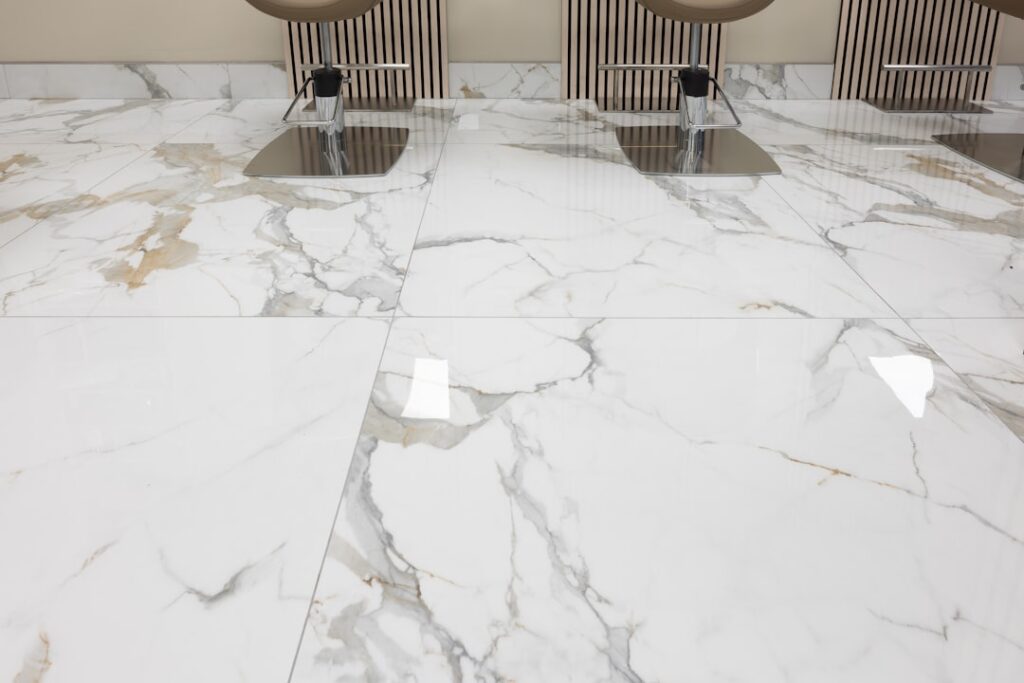
Authenticity and history set it apart. True Carrara marble comes from a specific region of Tuscany and is characterized by a white to grayish background with soft, feathery gray veining. The veins tend to be finer and more linear than the bold, dramatic streaks found in Calacatta marble, giving Carrara a quieter, more uniform look.
No two slabs are identical. Because the stone is formed over millennia of natural pressure, each piece carries its own pattern, so your backsplash will be genuinely one of a kind. That organic variation is part of the appeal; it is the opposite of a printed, repeating pattern.
Carrara vs. Other White Marbles
It helps to know how Carrara compares to its cousins. The white marble family looks similar at a glance but differs in pattern, rarity, and price.
- Carrara — Gray-white background with soft, fine, feathery veining. The most widely available and affordable Italian white marble.
- Calacatta — Whiter background with bolder, more dramatic gray and gold veining. Rarer and more expensive.
- Statuario — Bright white with striking, varied veining. Highly prized and premium-priced.
For most homeowners, Carrara offers the best balance of classic marble beauty and reasonable cost, which is why it appears in so many kitchens and bathrooms.
Format Options for a Backsplash
Carrara comes in several forms, and the format shapes both look and budget. Full slabs create a seamless, dramatic wall with minimal grout lines, ideal for a high-end statement behind the range. Tile is far more common and budget-friendly, available in classic subway shapes, hexagons, mosaics, and large-format squares.
Subway tile in 3-by-6 or 4-by-12 sizes remains the most popular choice, delivering that crisp, timeless look at an accessible price. Mosaic sheets, including herringbone and basketweave layouts, add texture and make installation around outlets easier. Choose a honed (matte) finish for a soft, contemporary feel that hides etching better, or a polished finish for a brighter, more reflective surface that shows wear more readily.
The Maintenance Reality
Honesty matters here. Marble is calcium carbonate, which means it reacts to acids. Lemon juice, vinegar, wine, tomato sauce, and many common cleaners can etch the surface, leaving dull spots where the polish is eaten away. It is also porous, so spills like coffee, oil, and red wine can stain if left unwiped.
None of this makes Carrara a bad choice; it makes it a stone that needs respect. A backsplash actually fares better than a countertop because it sees far less direct contact with food, knives, and acidic liquids. Still, you should wipe splatters promptly, avoid acidic cleaners, and accept that over years the stone may develop a lived-in patina. Many homeowners come to love that aged character; others prefer a look-alike if they want a flawless surface forever.
Sealing and Installation
Proper sealing is non-negotiable. Carrara should be sealed with a quality penetrating stone sealer before grouting and resealed periodically, often every 6 to 12 months depending on use and the product. Sealing does not make marble stainproof, but it buys you time to wipe up spills before they penetrate.
Installation follows standard tile practice but demands care, since marble chips and scratches more easily than porcelain. Cut tiles with a wet saw fitted with a diamond blade made for stone, work gently, and use a white thin-set so it does not show through the translucent stone. Use unsanded grout on polished marble to avoid scratching the surface. Given the cost of the material and the precision required, hiring an experienced stone tile setter is often worthwhile. Always follow the manufacturer’s instructions for the specific sealer and setting materials you use.
What a Carrara Marble Backsplash Costs
Price depends on format and labor. Use these figures as estimates that vary by region and supplier:
- Carrara subway and basic tile: $10 to $25 per square foot
- Mosaic and specialty patterns: $20 to $40 per square foot
- Full slab backsplash: $40 to $100 per square foot installed
- Professional installation: $40 to $80 per square foot labor
Tile keeps Carrara surprisingly affordable for a genuine Italian marble, while a full slab pushes well into premium territory. Buy 10 to 15 percent extra tile for cuts and future repairs, since slabs vary and an exact match later can be impossible.
Is Carrara Right for Your Kitchen?
If you love natural materials and the timeless elegance of real Italian marble, a Carrara marble backsplash is a beautiful, value-conscious way to get it. The key is realistic expectations: seal it, wipe spills promptly, skip acidic cleaners, and embrace the gentle patina that develops over time. If you want a surface that stays perfectly pristine with zero fuss, a marble-look porcelain or quartz may serve you better. But for sheer character and authenticity, genuine Carrara rewards the homeowner willing to give it a little care.
Real Marble vs. Marble-Look Alternatives
It is worth weighing the alternatives before you commit, because the look-alikes have improved dramatically. Marble-look porcelain tile prints a convincing Carrara pattern onto a hard, nonporous, acid-proof surface that never needs sealing and shrugs off etching and stains. Quartz offers a similar carefree surface in marble-inspired patterns. Both deliver the white-and-gray aesthetic with essentially zero maintenance.
What they cannot fully replicate is the depth and authenticity of real stone. Genuine Carrara has a translucency and natural variation that a printed surface only approximates, and for many homeowners that authenticity is the entire point. Choose real marble if you value the genuine material and accept its care needs; choose porcelain or quartz if low maintenance and a flawless, unchanging surface matter most. Either path can look beautiful in the right kitchen.