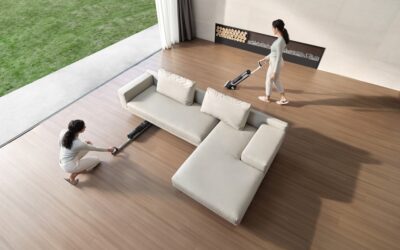
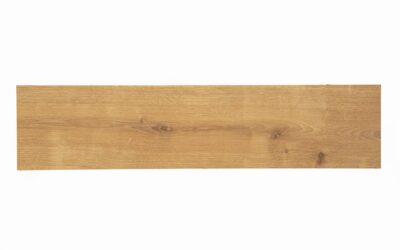
If gray floors defined the last decade, warm neutrals are quietly taking over this one, and medium brown vinyl flooring sits right in the sweet spot. It is dark enough to hide dust and pet hair, light enough to keep a room from feeling like a cave, and neutral enough to survive the next furniture trend without looking dated. For homeowners who find espresso floors too heavy and blonde floors too pale, medium brown is the shade that works in almost any room. This guide walks through the best tones, the looks worth buying, and what actually matters on the spec sheet.
- Why Medium Brown Is the Most Forgiving Shade
- The Best Medium Brown Shades to Consider
- Wood Looks Available in Medium Brown
- Designing a Room Around Medium Brown Floors
- What to Look For on the Spec Sheet
- Medium Brown vs. Gray and Espresso Floors
- Installation Considerations
- What Medium Brown Vinyl Costs
- Is Medium Brown Right for Your Home?
Why Medium Brown Is the Most Forgiving Shade
Flooring color is largely about maintenance, and medium brown is the most forgiving band on the spectrum. Very dark floors show every crumb, footprint, and dust bunny; very light floors show scuffs, spills, and pet accidents. A mid-toned brown splits the difference, camouflaging both light debris and dark marks, which is why builders reach for it in rental units and busy family homes.
It also plays well with almost any wall color. A medium brown floor grounds cool grays and greiges, warms up crisp whites, and complements the earthy greens and terracottas trending in kitchens and living rooms. You are not locking yourself into a palette the way a strong red-oak or gray floor does.
The Best Medium Brown Shades to Consider
“Medium brown” covers a real range, and the undertone is what makes or breaks the look in your specific light. Here are the tones worth knowing:
- Warm honey-brown — golden undertones, reads friendly and traditional. Great in north-facing rooms that need warmth.
- Neutral walnut — balanced brown with a hint of gray, the most versatile and trend-proof choice.
- Chestnut and pecan — slightly reddish, adds richness without going full mahogany. Suits craftsman and transitional homes.
- Weathered or driftwood brown — muted, grayed-down brown that leans modern farmhouse.
- Cognac and caramel — warmer, amber-leaning tones that feel current in open, light-filled spaces.
Always test with samples on your own floor. A shade that looks perfectly neutral in the showroom can pull orange under warm LED bulbs or gray under north light. Order two or three sample planks, lay them down for a few days, and check them morning and night before you commit.
Wood Looks Available in Medium Brown
Modern luxury vinyl plank reproduces wood grain convincingly, and medium brown is where the best embossing shows up. Oak is the most common species reproduced, offering a familiar straight grain with visible cathedral patterns. Hickory brings more contrast and knots for a rustic feel, while walnut-look planks deliver a smoother, more upscale grain.
Pay attention to the embossed-in-register (EIR) finish, where the surface texture lines up with the printed grain. It costs a little more but feels dramatically more like real wood underfoot and under raking light. Plank width also shifts the look: 7-inch and 9-inch wide planks read contemporary, while 5-inch planks feel more traditional.
Designing a Room Around Medium Brown Floors
Because the floor is neutral, you have freedom above it. For a light, airy scheme, pair a warm walnut floor with white or greige walls and cream upholstery. For something cozier, layer in deep green cabinetry, brass hardware, and leather furniture against a chestnut floor. Medium brown handles both extremes.
Rugs are where people slip up. A busy patterned rug can fight a strong wood grain, so in rooms with prominent plank texture, lean toward solid or low-contrast rugs. In kitchens, medium brown vinyl pairs cleanly with white shaker cabinets, and it hides the inevitable dropped-food traffic far better than a pale floor.
What to Look For on the Spec Sheet
Color is only half the decision. These specs determine whether the floor survives a decade of real life:
- Wear layer — 12-mil for light residential use, 20-mil or more for households with kids and pets. This clear top layer resists scratches and scuffs.
- Core type — SPC (stone plastic composite) is rigid, dent-resistant, and dimensionally stable; WPC is a bit softer and warmer underfoot.
- Thickness — 5 mm to 8 mm total for a solid, quiet feel. Thinner planks telegraph subfloor imperfections.
- Attached underlayment — an IXPE or cork pad reduces noise and adds comfort, saving you from buying separate underlayment.
- Waterproof rating — genuine 100 percent waterproof cores let you use the same medium brown floor in kitchens, baths, and basements.
Medium Brown vs. Gray and Espresso Floors
It helps to understand why medium brown wins so many head-to-head comparisons. Gray vinyl, which dominated new construction for years, is starting to look dated as the design world swings back toward warmth. It also fights warm-toned furniture and wall colors, forcing you into a cool palette whether you like it or not. Medium brown has no such restriction; it reads as a true neutral that partners with warm and cool decor alike.
Espresso and other very dark browns bring drama and a high-end feel, but they punish you daily. Every speck of dust, every pet hair, and every dry footprint shows on a near-black floor, especially in bright, sunlit rooms. Medium brown gives you most of the richness of a dark floor with a fraction of the upkeep. That is the practical case for the shade: it looks intentional and current while asking very little of you between deep cleanings.
Installation Considerations
Most medium brown LVP today uses a click-lock floating system that snaps together over a flat subfloor, no glue or nails required. Acclimate the boxes in the room for 48 hours, keep a 1/4-inch expansion gap at the walls, and make sure the subfloor is flat within 3/16 inch over 10 feet, because rigid vinyl telegraphs bumps and dips. Glue-down vinyl is the better call over concrete slabs with minor moisture or in very large rooms above 40 feet in a single run, where a floating floor can shift.
Lighting changes everything about how the color reads once installed, so plan for it. Warm 2700K bulbs push a medium brown floor toward honey and amber, while cooler 4000K bulbs flatten it toward a neutral walnut. If your samples looked perfect but the installed floor feels too orange, swapping bulb temperature is a cheap fix before you ever question the flooring choice.
What Medium Brown Vinyl Costs
Pricing tracks the wear layer and core more than the color. Budget medium brown LVP with a 12-mil wear layer runs $1.50 to $2.50 per square foot. Mid-grade planks with a 20-mil wear layer and EIR texture land at $3 to $5 per square foot. Premium products from brands like COREtec, Shaw, and Karndean, with thicker cores and lifetime residential warranties, reach $5 to $8 per square foot.
Professional installation adds $1.50 to $4 per square foot depending on your region and subfloor prep. For a 300-square-foot room, expect a realistic all-in range of $1,200 to $3,000. Because floating click-lock vinyl is DIY-friendly, doing the labor yourself on a mid-grade medium brown floor can cut that nearly in half.
Is Medium Brown Right for Your Home?
If you want a floor that hides dirt, flatters almost any wall color, and will not look dated in five years, medium brown vinyl flooring is one of the safest choices you can make. Pick a neutral walnut or warm honey tone based on your light, prioritize a 20-mil wear layer and a rigid SPC core for durability, and test samples in your own space before buying. Do that, and you get a floor that looks like real wood, shrugs off daily traffic, and quietly works with whatever you put on top of it.
Prefer to explore on your own?
See how new flooring looks in your actual room in seconds — free, no signup.
Try the free Floor Studio →