A stain color that looks like weathered whiskey barrels on the can lid can turn out muddy on one board and gorgeous on the next. Minwax Aged Barrel stain is a good example. Sold as color 283 in the oil-based Minwax Wood Finish line, it is a mid-tone brown with a slightly gray, aged quality, the kind of color people pick for farmhouse tables, rustic shelves and reclaimed-look trim.
How it actually looks depends far more on the wood than on the can. Open-grained oak grabs pigment and shows a strong, textured grain. Pine and maple absorb stain unevenly and can blotch unless you prep them. The manufacturer itself notes that its color chips are for reference only and recommends testing on a hidden area first, which is advice worth following with this color in particular.
Here is what to expect on common woods, how to apply it cleanly, how long it needs to dry, and how to handle oily rags safely afterward.
Minwax Aged Barrel Stain Specs and How It Looks on Common Woods
The first table covers the confirmed product details for minwax aged barrel stain. The second describes how the color typically reads on the woods people stain most often.
| Spec | Value | What it means |
|---|---|---|
| Color name and number | Aged Barrel, 283 | Use the number to match cans bought at different times |
| Product line | Wood Finish penetrating stain | Oil-based, semi-transparent, interior use |
| Dry and recoat time | 2 to 3 hours | Longer in cool or humid rooms |
| Coverage | 500 to 600 sq ft per gallon | A quart handles a dining table and chairs |
| Can sizes | Half pint, quart, gallon | Buy a half pint for test boards |
| Cleanup | Mineral spirits | Not soap and water |
| Sheen | None on its own | Add a clear topcoat for sheen and protection |
| Wood | Typical look with Aged Barrel | Prep advice |
|---|---|---|
| Red oak | Warm mid brown with dark, pronounced grain | Sand to 150 grit; no conditioner needed |
| White oak | Cooler, grayer brown with a weathered feel | Sand to 150 grit |
| Pine | Lighter, warmer brown; blotch risk around knots | Pre-stain wood conditioner strongly advised |
| Maple | Muted, lighter brown; can look patchy | Conditioner plus sanding to 180 grit |
| Poplar | Uneven, may show greenish streaks | Conditioner, then test first |
| Birch plywood | Soft brown with mild blotching | Conditioner and light, even wiping |
Those wood descriptions are general patterns, not guarantees. Two boards of pine from the same rack can take stain differently, so always stain a scrap from your actual project lumber.
What Aged Barrel Looks Like in a Room
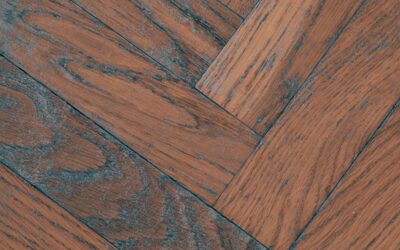
Aged Barrel sits in the middle of the brown range. It is darker than honey or golden oak tones and lighter than espresso or dark walnut. The color has a weathered, slightly smoky quality instead of the orange warmth many older stains show, which is why it fits rustic and modern farmhouse rooms so well.
A few pairings that tend to work:
- White or cream painted cabinets with an Aged Barrel island top or open shelves for contrast.
- Black hardware and iron accents, which sharpen the brown and keep it from looking dull.
- Warm white walls and greige trim, where the stain reads rich rather than heavy.
- Light oak or natural flooring, so stained furniture stands out instead of blending into the floor.
- Linen, jute and leather textiles, which suit the barrel-wood character.
Avoid matching Aged Barrel to a floor that is almost the same tone. Furniture and floors that are close but not identical tend to look like a mistake, while a clear contrast looks intentional.
Tools and Materials
- Minwax Wood Finish in Aged Barrel 283
- Pre-stain wood conditioner for pine, maple, birch, poplar and other softwoods
- Sandpaper in 120, 150 and 180 grit, plus a sanding block or random orbit sander
- Tack cloth or a microfiber cloth for dust removal
- Natural-bristle brush, foam brush or lint-free rags
- Clean cotton rags for wiping off excess
- Clear topcoat, such as an oil-based polyurethane or a water-based protective finish
- Nitrile gloves, safety glasses and a respirator rated for organic vapors if ventilation is limited
- A metal container with a lid, partly filled with water, for used rags
How to Apply Aged Barrel Without Blotching
- Sand evenly. Start at 120 grit to remove old finish or mill marks, then finish at 150 for oak or 180 for maple and pine. Sanding much finer than 180 can make oak take less color.
- Remove dust. Vacuum, then wipe with a tack cloth. Dust trapped in pores turns into dark specks.
- Condition softwoods. On pine, maple, birch and poplar, brush on pre-stain wood conditioner, wait the time on its label, and stain within the window it gives. Conditioner partly seals the thirsty areas so color goes on more evenly.
- Stir, do not shake. Pigment settles. Stir from the bottom until the color is uniform, and stir again every so often while you work.
- Apply with the grain. Brush or wipe on a generous coat across one manageable section at a time.
- Wipe off the excess. Wipe with a clean rag in the direction of the grain. The longer you wait before wiping, the darker and richer the color gets, so keep your timing consistent across the whole piece.
- Let it dry. Allow 2 to 3 hours before a second coat. Add a second coat only if you want it darker.
- Topcoat. Once the stain is fully dry, apply a clear topcoat. The stain adds color but no protection, and the topcoat sets the final sheen, from matte to gloss.
Work in a well-ventilated space, open windows, and run a fan that pushes air outside. Oil-based stain is combustible, so keep it away from open flames, space heaters and gas appliance pilot lights.
Oily Rag Safety
Rags soaked with oil-based stain can heat up as they dry and catch fire on their own, even hours later in a closed garage. The product label warns about this directly. After every session:
- Put used rags, steel wool and sanding dust straight into a metal container filled with water and close the lid.
- Do not wad rags into a trash bag or leave them in a pile on the bench.
- Dispose of the sealed container according to your local fire and household hazardous waste rules.
- Never mix stain with other chemicals or pour leftovers down a drain.
Troubleshooting Aged Barrel Results
Blotchy pine or maple: Usually caused by skipping conditioner. On a project already stained, a light sanding and a second, quickly wiped coat can even things out somewhat. For heavy blotching, a gel stain or a toner coat is often a better fix than more penetrating stain.
Too dark: Wipe immediately with a rag dampened with mineral spirits to lift some pigment. Once it has dried, the only real fix is sanding back.
Too light: Apply a second coat after the first has dried, and wait a little longer before wiping.
Sticky surface days later: Too much stain was left on the surface. Wipe with mineral spirits and a clean rag, let it dry fully, then topcoat.
Topcoat looks cloudy or wrinkles: The stain was not dry enough. Give it more time in cool or humid weather, and test topcoat compatibility on your sample board.
Cost and Time
A quart of oil-based penetrating stain generally costs in the range of a typical can of hardware-store stain, and conditioner and topcoat add a similar amount each. A small DIY project such as a coffee table usually runs a modest amount for materials. Hiring a refinisher to strip and stain a dining set or a run of cabinets costs considerably more, often hundreds to a few thousand dollars depending on size and the condition of the old finish. Budget a full weekend for a furniture piece: sanding on day one, stain and first topcoat on day two, and additional topcoat days as the finish label requires.
When to Call a Pro
Call a furniture refinisher or painting contractor for kitchen cabinets, built-ins, antique pieces, or anything with an old finish you cannot identify. Stripping old finishes involves strong chemicals and lots of dust. If the piece or the trim was painted before 1978, test for lead before sanding and use lead-safe practices or hire a certified contractor. Floors are a separate job: a flooring pro can tell you whether a penetrating stain like this is right for your species and how it will interact with a floor finish.
Frequently Asked Questions
What color is Minwax Aged Barrel?
It is a mid-tone brown with a weathered, slightly gray character. It reads darker than golden oak tones and lighter than espresso or dark walnut shades.
What is the number for Minwax Aged Barrel stain?
Aged Barrel is color 283 in the oil-based Minwax Wood Finish line. Check the can label, since color lines and numbers can change over time.
Does Aged Barrel look good on pine?
It can, but pine absorbs stain unevenly. Use pre-stain wood conditioner first and test on a scrap so knots and soft spots do not turn blotchy.
How long does Minwax Aged Barrel stain take to dry?
The manufacturer lists 2 to 3 hours to dry and recoat under normal conditions. Allow longer in cool, damp rooms before applying a topcoat.
Do I need a topcoat over Aged Barrel?
Yes. Penetrating stain adds color but no protection. A clear topcoat guards against water and wear and sets the sheen you want.
How should I throw away rags used with oil-based stain?
Place them in a metal container filled with water, seal it, and dispose of it under local rules. Oily rags left in a pile can catch fire on their own.