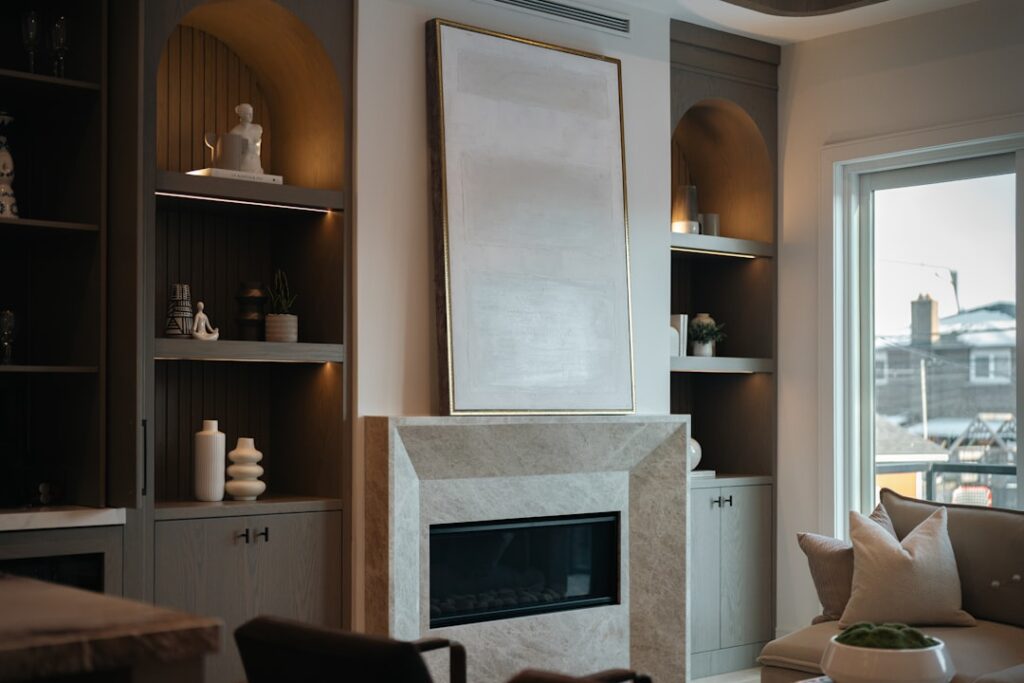
A well-placed mirror over fireplace can double the perceived size of a living room and bounce afternoon light into dim corners. A poorly chosen one looks dated, distorts the proportions of the mantel, or worse, cracks from heat exposure within the first winter of use. The decisions that separate a successful installation from a regret come down to size ratios, frame style, mounting height, and clearance from the firebox. I have helped install mirrors over masonry fireplaces, gas inserts, and zero-clearance prefab units, and the rules differ significantly for each.
- Sizing Rule: 60 to 75 Percent of Mantel Width
- Mounting Height Above the Mantel
- Heat Clearance from the Firebox
- Frame Style: Match the Architecture
- Round vs Rectangular vs Arched
- What the Mirror Reflects Matters
- Mounting Hardware
- Step-by-Step Installation
- Leaning Mirrors: A Lower-Commitment Option
- Avoiding Common Mistakes
- Final Thoughts
Sizing Rule: 60 to 75 Percent of Mantel Width
The mirror should measure 60 to 75 percent of the mantel width. A 60-inch mantel takes a mirror between 36 and 45 inches wide. Going smaller looks accidental; going wider visually crushes the fireplace surround.
For height, aim for 60 to 70 percent of the wall space between the mantel and ceiling. In an 8-foot ceiling room with a mantel at 56 inches, you have about 40 inches of wall space, so target a mirror 24 to 28 inches tall.
Mounting Height Above the Mantel
Leave 4 to 8 inches between the top of the mantel and the bottom of the mirror. This gap accommodates decor (vases, candlesticks, framed photos) and prevents the mirror from feeling stuck onto the mantel.
If you do not plan to decorate the mantel, the gap can shrink to 2 to 4 inches for a cleaner look. The mirror should never sit directly on the mantel surface; the visual weight overwhelms the fireplace.
Heat Clearance from the Firebox
This is where most homeowners get into trouble. The bottom of any combustible material (or anything that can crack from heat) needs minimum clearance from the firebox opening. Manufacturer specs vary, but general rules:
- Wood-burning masonry fireplace: at least 12 inches above the firebox opening
- Gas log set in masonry: 12 inches above
- Direct-vent gas insert: follow the manufacturer specs (often 8 to 14 inches)
- Zero-clearance prefab fireplace: minimum 12 inches above the listed clearance zone
Heat rises and concentrates above the firebox. Mirrors mounted too low can crack at the bottom edge after extended use. Frame the mirror with extra clearance built in.
Frame Style: Match the Architecture
Mirror frames should echo the existing trim or millwork in the room. Specific guidance:
- Modern flat-trim home: thin metal or frameless beveled mirror
- Traditional crown molding home: ornate gilt or carved wood frame
- Craftsman or Mission style: simple wide oak or quarter-sawn frame
- Farmhouse: distressed wood or galvanized metal frame
- Mid-century modern: thin walnut or brass starburst surround
If you have an unframed mantel and clean walls, a frameless mirror with polished or beveled edge keeps the look minimal and lets architectural details breathe.
Round vs Rectangular vs Arched
Rectangular horizontal mirrors are the safest bet and work in 80 percent of rooms. They mirror the proportions of the mantel itself and balance the visual rectangle of the firebox.
Round mirrors break the rectangular monotony of a fireplace wall and add a softer focal point. Use a round mirror that is 65 to 75 percent of the mantel width for proper scale.
Arched mirrors work beautifully in homes with arched doorways or windows nearby. They add height without overwhelming the wall.
What the Mirror Reflects Matters
A mirror reflects whatever is on the opposite wall. Before mounting, stand where you will look at the fireplace and check what the mirror will show. A blank wall, a pretty window view, or a piece of artwork is ideal. A reflected ceiling fan, recessed lights, or a cluttered bookshelf will undermine the entire installation.
Tilt the mirror slightly forward at the top (1 to 2 degrees) if it would otherwise reflect ceiling lights or fans into your seating area.
Mounting Hardware
Mirrors over fireplaces are typically heavy. A 36 x 48 inch framed mirror weighs 35 to 60 pounds. Use D-ring hangers attached to the back of the frame at the upper third, with French cleats or heavy-duty wall anchors rated for double the mirror weight.
For drywall, use Toggler SnapToggle anchors (rated 200 lbs each) into the studs you can find, or use Hilti HHD-S anchors for solid drywall mounting. For brick or stone fireplaces, Tapcon screws into the masonry are required; do not trust adhesive alone.
Step-by-Step Installation
- Find studs in the wall above the mantel using a stud finder
- Mark the desired mirror centerline (lines up with mantel center)
- Measure from the top of the mirror frame to the hanging hardware
- Transfer that measurement to the wall and mark the hanger position
- Install hangers into studs or use rated anchors
- Have a second person help lift the mirror into position
- Use a level to confirm before stepping back
Leaning Mirrors: A Lower-Commitment Option
If you are not ready to drill, a tall mirror leaning against the wall above the mantel can work in some configurations. It must be wider at the base than at the top, and it requires safety wire anchored to a wall stud (use earthquake straps) to prevent toppling. Best for casual or transitional design styles.
Avoiding Common Mistakes
- Buying a mirror sized to fit the mantel exactly (looks crammed)
- Hanging too high, leaving an awkward gap between mirror top and ceiling
- Choosing a mirror with a gilt frame in an otherwise modern room
- Forgetting to check what the mirror will reflect
- Skipping anchors and hoping picture wire holds 50 pounds (it will not for long)
Final Thoughts
A mirror over a fireplace is one of the highest-impact, lowest-cost design moves in a living room. Spend $80 to $400 on the right size and frame, mount it at the correct height with proper hardware, and the room will feel brighter and more spacious for years.