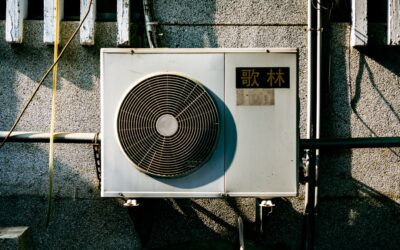
Ductless mini splits have changed how homeowners heat and cool additions, garages, and homes without ductwork, and Mitsubishi is one of the most recognized names in the category. A Mitsubishi 24000 Btu mini split delivers roughly two tons of heating and cooling from a compact wall unit paired with an outdoor condenser, no ducts required. This guide covers what 24,000 BTU actually heats and cools, how the system works, install considerations, and why refrigerant and electrical work make this a licensed-professional job. Confirm current model specs on the manufacturer page.
What 24,000 BTU Means
BTU, or British Thermal Units, measures heating and cooling capacity, and 24,000 BTU equals about two tons. The right capacity for a space depends on square footage, ceiling height, insulation, climate, and sun exposure, but as a rough guide, 24,000 BTU suits a fairly large area. A Mitsubishi 24000 Btu mini split is commonly sized for roughly 1,000 to 1,500 square feet in a moderate climate, though a proper load calculation is the only reliable way to size it.
- 12,000 BTU (1 ton): roughly 450-550 sq ft
- 18,000 BTU (1.5 ton): roughly 700-900 sq ft
- 24,000 BTU (2 ton): roughly 1,000-1,500 sq ft
Oversizing is a real mistake, not a safety margin. A unit too large short-cycles, turning on and off rapidly, which wastes energy and fails to dehumidify properly. A licensed HVAC contractor should perform a Manual J load calculation to confirm the right size for your specific space rather than guessing from square footage alone.
How a Ductless Mini Split Works
A mini split has two main parts connected by a small refrigerant line set. The outdoor unit, the condenser, sits outside and houses the compressor. The indoor unit, an air handler usually mounted high on a wall, blows conditioned air directly into the room. A slim conduit carrying refrigerant lines, a power cable, and a condensate drain runs between them through a small hole in the wall.
Because there are no ducts, the system avoids the energy losses that ductwork causes, which is a major efficiency advantage. Many models are heat pumps, meaning the same unit both heats and cools by reversing the refrigerant flow. Mitsubishi’s hyper-heat lines are known for maintaining heating capacity in cold weather, though performance in very low temperatures varies by specific model, so check the ratings.
Heating and Cooling in One System
The heat-pump design is a key selling point. In summer, the unit pulls heat out of your indoor air and dumps it outside, cooling the room. In winter, it reverses, extracting heat from outdoor air, even cold air, and moving it inside. This makes a single mini split a year-round comfort solution, replacing both a window air conditioner and a supplemental heater.
Cold-climate performance depends heavily on the model. Standard heat pumps lose capacity as outdoor temperatures drop, while cold-climate lines are engineered to keep heating effectively into subfreezing temperatures. If you rely on the unit for winter heat in a cold region, confirm the specific model’s rated heating capacity at your design temperature before buying.
Dehumidification is an underrated benefit of the heat-pump design. In cooling mode, the indoor coil pulls moisture out of the air along with heat, so a correctly sized unit keeps a room comfortable at a higher thermostat setting because lower humidity feels cooler. This is exactly why oversizing hurts: an oversized system cools the air so fast that it shuts off before it removes much moisture, leaving the room cold and clammy. A right-sized 24,000 BTU unit runs longer, gentler cycles that manage both temperature and humidity, which is what makes a properly sized mini split feel so comfortable.
Single-Zone vs Multi-Zone
A 24,000 BTU system can be configured as a single-zone unit, one outdoor condenser paired with one indoor head serving a large open space, or as part of a multi-zone system where one outdoor unit feeds several smaller indoor heads in different rooms. Single-zone is simpler and ideal for one big room, an open floor plan, or a garage.
Multi-zone lets you condition several rooms independently from one outdoor unit, with each head controlled separately for personalized comfort. It costs more and is more complex to install but avoids multiple outdoor units cluttering the exterior. Decide based on whether you are conditioning one large space or several separate rooms.
Indoor unit style is part of this decision too. Beyond the common wall-mounted head, mini splits come as ceiling cassettes that mount flush in a drop ceiling, floor-mounted consoles that sit low on the wall like a radiator, and slim ducted air handlers that hide in a soffit and distribute air through short duct runs. A wall head is the cheapest and most common, but if you dislike the look of a box high on the wall, a cassette or a concealed ducted handler blends in better. Discuss the options with your installer, since the right head style depends on the room and your ceiling type.
Efficiency and Operating Cost
Mini splits are among the most efficient HVAC options, and Mitsubishi units carry high SEER2 ratings for cooling and HSPF2 ratings for heating. The inverter-driven compressor ramps up and down to match demand instead of cycling fully on and off, which saves energy and keeps temperatures steady. Higher efficiency ratings mean lower operating costs but usually a higher purchase price.
The ductless design also eliminates the 20 to 30 percent energy loss typical of leaky ductwork, so real-world efficiency is often better than the nameplate rating suggests compared to a ducted system. Many high-efficiency models qualify for utility rebates or federal tax credits, which can meaningfully offset the upfront cost, so check current incentive programs in your area.
Installation Requires a Licensed Pro
This is not a DIY project. Installing a mini split involves handling refrigerant, making high-voltage electrical connections, and properly evacuating and charging the line set with a vacuum pump, all of which require training, tools, and in most areas an EPA certification to handle refrigerant legally. Improper installation causes refrigerant leaks, poor performance, and voided warranties.
A licensed HVAC contractor mounts both units, runs and seals the line set, makes the electrical connections to a dedicated circuit, pulls a vacuum on the lines, and verifies the charge and operation. Manufacturer warranties typically require professional installation to remain valid. For safety, code compliance, and warranty protection, always hire a qualified HVAC professional for a mini split install and follow the manufacturer’s requirements.
Placement and Line Set Planning
Where the two units sit affects both performance and cost. The indoor head should be mounted high on a wall with clear airflow across the room, away from furniture or curtains that would block the discharge, and not directly above a doorway where the draft is annoying. The outdoor condenser needs clearance around it for airflow, a stable pad or wall bracket, and protection from heavy snow drift or roof runoff in cold climates.
The line set connecting them has practical limits. Most residential installs keep the refrigerant line run under about 50 feet and the vertical height difference within the manufacturer’s spec, since long or tall runs reduce capacity and may require additional refrigerant charge. Shorter, more direct runs perform best and cost less to install. Your contractor will plan the path to minimize the run while keeping the units where you actually want them, so discuss placement before the crew starts drilling.
Maintenance and Longevity
Mini splits are low-maintenance but not maintenance-free. The most important homeowner task is cleaning the washable indoor filters regularly, roughly every one to three months depending on use, since clogged filters kill efficiency and airflow. Keep the outdoor unit clear of leaves, snow, and debris, and make sure the condensate drain stays clear so it does not back up.
Beyond that, an annual professional service to check the refrigerant charge, clean the coils, and inspect the electrical connections keeps the system running well. Well-maintained mini splits commonly last 15 to 20 years. A properly sized and professionally installed Mitsubishi 24000 Btu mini split can deliver efficient, quiet, year-round comfort to a large space for two decades with modest upkeep.
Weigh the total cost against the alternatives before deciding. A professionally installed 24,000 BTU single-zone system commonly runs several thousand dollars, more for multi-zone or concealed configurations, which is more than a window unit but less than extending central ductwork into a hard-to-reach addition. Factor in the operating savings from high efficiency and no duct losses, plus any rebates or tax credits, and the payback improves over time. For an addition, a converted garage, a sunroom, or a whole home without ducts, the ductless approach often makes both practical and financial sense once you account for comfort, efficiency, and the avoided cost of a ducted retrofit.