The single biggest reason ductless systems went mainstream in cold northern states is that a Mitsubishi Electric heat pump keeps producing usable heat at temperatures where older units simply quit. Their Hyper-Heating INVERTER line delivers 100 percent of rated capacity down to 5°F and continues operating to minus 13°F, which upended the old assumption that heat pumps only worked in mild climates. If you are weighing a ductless mini-split or a whole-home conversion, understanding this brand’s lineup helps you avoid overpaying or undersizing.
A Mitsubishi Electric heat pump is not a single product but a family of indoor heads, outdoor condensers, and control options, so matching the right combination to your home is where the real savings and comfort come from.
Mitsubishi Electric Heat Pump Lineup Explained
The brand splits into a few core families. The M-Series serves residential single-zone and multi-zone setups; the P-Series handles light commercial and larger homes; and the Intelli-HEAT line pairs a heat pump with existing gas furnaces for a dual-fuel hybrid. Within these, the key distinction is standard performance versus Hyper-Heating (branded H2i and H2i plus).
Indoor units come as wall-mounted heads, ceiling cassettes, floor-mounted consoles, and concealed ducted air handlers. A single outdoor condenser can drive one head or, with a multi-zone MXZ unit, up to eight indoor units across different rooms, each with its own thermostat and remote.
Hyper-Heating Versus Standard Models
Standard Mitsubishi mini-splits work well in climates that rarely drop below 20°F, and they cost less. Once you regularly see single digits or subzero nights, Hyper-Heating earns its premium. The H2i technology uses a flash-injection compressor that maintains heating output when the outdoor coil would otherwise lose capacity.
In practical terms, a standard unit might deliver only 60 percent of its rated heat at 5°F, forcing backup electric strips to kick in, while the Hyper-Heating equivalent holds full output. For a home in Minnesota, Maine, or Colorado, that difference decides whether your electric bill stays reasonable in January. In Georgia or Southern California, the standard model is the smarter buy.
Efficiency Ratings and What They Mean
Heat pumps are rated by SEER2 for cooling and HSPF2 for heating, plus COP at specific temperatures. Mitsubishi’s premium mini-splits reach up to 33.1 SEER2 and HSPF2 figures in the 10 to 14 range, which are among the highest in the industry. Higher SEER2 means lower summer cooling costs; higher HSPF2 means cheaper winter heat.
The inverter compressor is the reason these numbers run high. Instead of cycling on and off like a single-stage unit, it modulates from roughly 20 to 100 percent capacity, matching output to demand. That variable operation holds room temperature within about a degree and avoids the energy spikes of constant restarting.
Sizing the System Correctly
Oversizing is the most common mistake, and it hurts both comfort and efficiency because an oversized inverter still short-cycles at the low end. Sizing should follow a Manual J load calculation, not a rule of thumb, but as a rough guide a well-insulated room needs about 20 to 30 BTU per square foot.
- A 400 sq ft room typically pairs with a 9,000 BTU (0.75-ton) head
- A 600 sq ft open living area suits a 12,000 BTU (1-ton) unit
- A 1,000 sq ft zone may need 18,000 BTU (1.5-ton)
- Whole-home multi-zone systems commonly total 24,000 to 48,000 BTU
Cold-climate homes should size to the heating load, which usually governs, then confirm the cooling capacity is not wildly oversized for summer.
Installed Cost and What Drives It
A single-zone Mitsubishi mini-split runs roughly $3,500 to $6,000 installed, depending on head style and whether you choose Hyper-Heating. Multi-zone systems scale with the number of indoor units, landing between $7,000 and $16,000 for a typical three-to-five-zone home. Concealed ducted air handlers cost more to install than wall heads because of the ductwork.
Labor quality matters enormously here. A proper install pulls a deep vacuum on the refrigerant lines, verifies charge by weight, and pressure-tests the flare connections. A rushed install that skips the vacuum leaves moisture in the system that shortens compressor life, so pay for a Diamond Contractor or comparable certified installer rather than the cheapest bid.
Maintenance and Longevity
These systems are low maintenance but not no maintenance. Wash the indoor filters every four to six weeks during heavy use; a clogged filter cuts airflow and efficiency fast. Once a year, clear the outdoor coil of leaves and debris and check that the condensate drain runs freely so you do not get water backing up behind an indoor head.
Expect a well-installed and maintained unit to run 15 to 20 years. Mitsubishi backs the compressor with a 10-year warranty and parts for 5 to 10 years when installed by a certified contractor and registered on time, so send in the registration within the required window, usually 60 days, to keep the full coverage.
Is It the Right Choice for You
If you want zone-by-zone control, quiet operation, and strong efficiency, a Mitsubishi Electric heat pump is one of the safest picks on the market, especially in cold climates where the Hyper-Heating line has a genuine performance edge. Homeowners with existing ductwork and mild winters may find a conventional central heat pump cheaper, so compare both.
Pair the purchase with available federal tax credits and utility rebates, size it with a real load calculation, and hire a certified installer, and you get decades of comfortable, low-cost heating and cooling from a single well-engineered system.
Ductless Versus Ducted Configurations
Mitsubishi builds both ductless and ducted systems, and the right choice depends on your home’s construction. Ductless mini-splits shine in additions, older homes without ductwork, sunrooms, garages, and any room where you want independent temperature control. Each indoor head has its own remote and setpoint, so you heat the bedroom without cooking the living room, and the lack of ducts means no energy lost to leaky duct runs, which can waste 20 to 30 percent in a typical forced-air home.
Concealed ducted air handlers, part of the same lineup, hide in an attic, closet, or dropped ceiling and distribute air through short duct runs to several rooms from one unit. This preserves the clean look of standard ceiling registers while still using the efficient inverter technology, and it appeals to homeowners who dislike the appearance of wall-mounted heads. The trade-off is a modest efficiency loss through the ducts and a higher installation cost. Many homes combine both, using ducted units for bedrooms grouped together and a wall head for a large open living space.
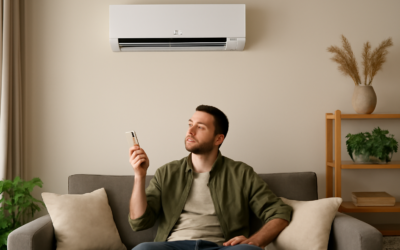
Controls tie the system together. Mitsubishi offers the handheld remotes, wall-mounted thermostats, and the kumo cloud app that lets you adjust any zone from your phone and set schedules. For a multi-zone system, integrating the controls means you can run only the rooms in use rather than conditioning the whole house, which is where the real operating-cost savings come from over a conventional single-thermostat furnace and air conditioner.
Homeowners weighing a mini-split usually worry about three things: cold-weather heat, noise, and looks. The Hyper-Heating line answers the first, holding full output to 5°F and running well below zero. Noise is rarely an issue; indoor heads run around 19 to 40 decibels, quieter than a refrigerator, and the loudest component, the compressor, sits outside. The wall heads are the main aesthetic objection, and slim modern designs plus floor-console and ceiling-cassette alternatives give you options if a wall unit bothers you.
Ask about the outdoor unit’s placement and clearances, since it needs airflow around it and, in snow country, a stand or wall bracket that lifts it above the drift line and lets meltwater drain. Confirm the installer registers the equipment promptly to lock in the full 10-year warranty, and get the total price broken out by equipment and labor so you can apply rebates accurately. With the right configuration and a careful install, a Mitsubishi Electric heat pump delivers quiet, efficient, room-by-room comfort that a single central system simply cannot match.
If you are still deciding whether the premium is justified, run the numbers over the system’s life rather than just the sticker. A mini-split that costs a few thousand dollars more than a basic setup often pays that back through lower operating costs, especially where you replace expensive electric-resistance or propane heat, and the available federal tax credit plus utility rebates frequently trim thousands off the install price. Add the comfort of even, quiet, per-room temperatures and the elimination of the hot-and-cold rooms that plague single-thermostat homes, and the value case usually holds. Get a Manual J load calculation, compare at least two certified installers, and factor the incentives in before you judge the price, because the headline cost rarely tells the whole story.