The driveway is the largest hardscape on a typical American property, often spanning 600 to 1,200 square feet, yet most homeowners pour the same gray broom finish their parents poured in 1985. Today’s modern concrete driveway ideas turn that flat slab into a designed surface that adds curb appeal, complements modern architecture, and can raise appraised value by 5 to 7 percent. The difference between basic and beautiful is usually one or two upgrade decisions made before the truck shows up.
Large Format Saw Cut Panels
One of the cleanest modern looks replaces standard 10 by 10 foot control joints with oversized 6 by 6 or 8 by 8 foot panels divided by deep saw cuts that read as design lines rather than utility cuts. The cuts are usually 1.5 to 2 inches deep, 1/4 to 3/8 inch wide, and run in a deliberate grid that aligns with the architecture of the house. The look pairs especially well with flat-roofed modern, midcentury, and contemporary farmhouse exteriors.
Plan the joint layout on paper before the pour. Random or off-axis cuts visible from the front door undermine the whole effect. Expect a $1 to $3 per linear foot upcharge for designed saw cuts versus standard control joints.
Exposed Aggregate Finishes
Exposed aggregate replaces the smooth top layer with a textured surface that shows the rock and pebble inside the concrete mix. Modern versions use angular crushed granite, basalt, or recycled glass instead of the dated round river-rock look from the 1990s. The texture provides natural slip resistance for sloped driveways and hides oil drips far better than a smooth finish.
Cost runs $9 to $14 per square foot installed compared with $6 to $9 for standard broom finish. The premium buys you a surface that ages slowly and rarely needs resealing more than every five years.
Board Formed and Sandblasted Textures
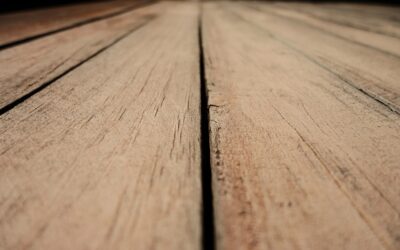
Board-formed concrete uses rough-sawn lumber as the form face so the finished slab carries the wood grain pattern. The result reads architectural and high-end, especially on retaining walls flanking a driveway or on a flat slab adjacent to a board-formed entry stair. Sandblasting after cure is a similar option that reveals fine aggregate and softens the surface to a matte texture similar to natural limestone.
Both finishes require an experienced concrete crew. Costs run $12 to $20 per square foot installed, and you should plan for visible variation across the slab as part of the aesthetic, not a defect.
Stamped Concrete with Modern Patterns
Stamping has moved beyond the tired Roman slate and herringbone brick patterns of the 2000s. Current modern driveway stamps include:
- Ashlar slate in oversized 24 by 36 inch panels for a clean architectural feel
- Wood plank stamps mimicking 6 to 8 inch reclaimed boards
- Linear textured slate that runs in a single direction across the slab
- Limestone with subtle veining for a quieter, more refined look
- Smooth troweled stamps with hairline grout lines for an almost cast-stone effect
Stamped driveways run $12 to $18 per square foot installed. Resealing every two to three years protects the integral color and prevents UV fade.
Integral Color Choices That Age Well
Solid gray dates a driveway the moment trends shift, so most modern installations use integral color powders dosed at 5 to 8 pounds per cubic yard. Davis Colors, Solomon Colors, and Brickform offer over 80 shades that mix into the truck before delivery. The most timeless modern colors are warm gray, soft charcoal, light buff, and bone white. Stay away from terra cotta, brick red, and dark espresso unless the rest of your exterior already commits to that palette.
Add a second color via dry-shake hardener applied during finishing to create subtle two-tone variation that mimics natural stone. The technique adds about $2 per square foot and gives the slab visual depth that pure integral color cannot.
Driveway Inserts and Border Bands
Mixing materials breaks up the visual mass of a large driveway and provides drainage in long flat runs. Popular insert ideas include:
- Black river rock strips between concrete panels for contrast and drainage
- Linear grass joints planted with creeping thyme or Korean velvet grass
- Charcoal granite cobblestone bands at the curb apron and garage approach
- Permeable paver borders that handle storm water runoff
- Steel edging in raw or weathered finish to define the driveway perimeter
Each insert type adds $4 to $12 per linear foot. Use sparingly so the inserts read as deliberate accents rather than a busy patchwork.
Lighting and Permeable Integration
Modern driveways increasingly incorporate path lighting and permeable elements directly into the slab. In-grade fixtures from Kichler, Wac, or Hinkley install flush with the concrete during the pour and uplight a garage door or a row of mature trees lining the driveway. Plan on $90 to $250 per fixture installed, plus a low-voltage transformer near the panel.
Permeable concrete or pervious pour-in-place options handle 5 to 10 gallons per minute per square foot of infiltration. Code in some California, Oregon, and Washington jurisdictions now requires a permeable component on new residential driveways, and the rest of the country will likely follow within a decade.
Cost Expectations for Modern Driveway Upgrades
Plan your budget against the size of the project. A 600 square foot two-car driveway with a basic broom finish costs about $4,200 to $5,400. The same driveway upgraded with integral color, designed saw cuts, and an exposed aggregate border runs $7,800 to $9,600. A full board-formed and stamped design with lighting climbs to $14,000 or more.
Always get three written quotes from licensed concrete contractors in your area. Ask to see at least one completed driveway from each contractor and verify the project is at least three years old to see how the finish has weathered.