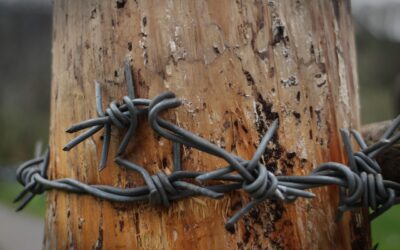
A modern post and wire fence has become one of the most sought-after boundary styles for American homes that want a clean, contemporary look without blocking the view. Combining sturdy vertical posts with tensioned horizontal wires or cables, this design defines a property line, contains pets, and frames a landscape while keeping sightlines open. This guide covers the materials, spacing, tensioning, and costs you need to plan and build one that looks sharp and lasts for years.
Part of our Decks & Outdoor guide — explore the full guide →
What Makes This Style “Modern”
Traditional post-and-wire fencing is farm fencing: functional but plain. The modern version elevates it with intentional materials and proportions. Think powder-coated steel or clean cedar posts, taut stainless or galvanized cables spaced evenly, and minimal visual clutter. The result reads as architectural rather than agricultural. It pairs beautifully with contemporary and mid-century homes, xeriscaped yards, and gardens where you want the plants, not the fence, to be the focus.
Choosing Your Post Material
Posts do the structural work, so pick a material that suits your climate and style. Each option has trade-offs in cost, longevity, and appearance.
- Steel posts: Strong, slim, and modern. Powder-coated black steel resists rust and holds high cable tension without bowing.
- Cedar or redwood posts: Warm, natural, and rot-resistant. A favorite for softening the industrial look of wire.
- Aluminum posts: Rustproof and lightweight, good in coastal or wet climates but less rigid, so end posts may need bracing.
- Composite or metal-wrapped posts: Low maintenance and consistent in color, at a higher price.
Whatever you choose, remember that end, corner, and gate posts carry the full tension of the wires and must be noticeably beefier and more deeply set than the line posts between them.
Wire and Cable Options
The horizontal element defines the look. Stainless steel cable, typically 1/8 to 3/16 inch, gives the cleanest modern appearance and resists corrosion best. Galvanized high-tensile wire costs less and works well but can show rust over time. For a warmer or more rustic-modern feel, some homeowners use black-coated wire. Cables are usually run in horizontal rows spaced 3 to 4 inches apart to keep pets contained and meet many local rules, though decorative fences with wider spacing exist where containment is not a concern.
Setting the Posts Correctly
Post setting makes or breaks a wire fence, because tensioned cables pull hard on the end posts. Line posts can be set 6 to 8 feet apart. Follow these guidelines:
- Dig line-post holes at least 24 to 30 inches deep, and end-post holes 36 inches or deeper.
- Set posts in concrete for permanence, sloping the top of the footing to shed water.
- Brace corner and end posts with diagonal supports or an H-brace assembly to resist cable pull.
- Let concrete cure fully, usually 24 to 48 hours, before tensioning any wire.
Skipping the bracing on end posts is the number-one reason modern wire fences sag; the posts slowly lean inward under constant tension until the whole run droops.
Tensioning the Wires
Proper tension is what gives the fence its crisp, taut appearance. Each cable runs from an anchor at one end post, through intermediate posts, to a tensioning device such as a turnbuckle or a specialized cable tensioner at the other end. Run the cables through pre-drilled holes or eyelets in the line posts, then tighten each until it is firm and straight but not so tight it bows the posts. Work from the top and bottom cables inward to balance the load. Over the first season, cables stretch slightly, so plan to re-tension once after a few weeks.
Cost Breakdown
A modern post and wire fence can be budget-friendly or premium depending on materials. Typical installed costs run:
- Galvanized wire with wood posts: $12 to $25 per linear foot.
- Stainless cable with wood posts: $20 to $35 per linear foot.
- Stainless cable with steel posts: $30 to $50 per linear foot.
DIY installation saves a large share of the labor cost, but the hardware, especially stainless cable fittings and turnbuckles, adds up quickly. For a 100-foot run, budget $1,500 to $5,000 depending on material choices.
Meeting Local Codes and HOA Rules
Before you dig, call 811 to have underground utilities marked, and check your municipality’s fence height limits, which are commonly 4 feet in front yards and 6 feet in back. Homeowners associations often regulate fence style and materials, so get written approval before building. Some areas also require that wire fencing not create a hazard for wildlife or pets, which is another reason the 3-to-4-inch cable spacing is popular. Confirming rules first prevents an expensive tear-out later.
Maintenance and Safety Tips
This style is low-maintenance but not no-maintenance. Check cable tension each spring and tighten turnbuckles as needed. Inspect wood posts for rot at the ground line and metal posts for coating chips that could rust. Keep the cable ends capped or crimped cleanly so no sharp strands stick out where someone could get cut. If you have young children, keep the horizontal cables tight, because loose horizontal wires can tempt kids to climb like a ladder.
Best Uses for This Fence Style
A post and wire fence shines in specific situations, and knowing them helps you decide if it fits your yard. It excels as a property-line marker where you want definition without blocking a view, making it ideal for homes backing onto open land, water, or scenic landscapes. It works beautifully around gardens and modern landscapes, letting plants and hardscape take center stage. Combined with tight cable spacing, it reliably contains most dogs and defines a safe boundary for children while keeping the yard feeling open.
Where this style is weaker is privacy. Because you can see straight through it, a wire fence does nothing to screen your yard from neighbors or the street, so it is a poor choice where seclusion is the goal. It also offers little wind protection. If privacy matters on one side only, some homeowners run a solid or slatted fence there and use the modern wire style on the open, view-facing sides, blending function and aesthetics around the property.
Adding a Gate to the Run
Most fences need at least one gate, and gates are where wire fences most often fail if planned poorly. A gate post carries not only cable tension but also the swinging weight of the gate itself, so it must be the strongest, deepest-set post in the entire run, ideally set 36 inches or more in a generous concrete footing and braced. Skimping here leads to a gate that sags and drags within a season.
You can build a matching gate frame from steel or wood and infill it with the same tensioned cable or wire to keep the look consistent, or use a pre-made metal gate that complements the fence. Use heavy-duty hinges rated for the gate’s weight, and add a diagonal brace or turnbuckle cable across the gate frame to keep it square over time. Leave a consistent gap between the gate and its posts, and install a reliable latch at a comfortable height. A well-built gate makes the whole fence feel finished and functions smoothly for years.
Bringing the Design Together
A successful modern post and wire fence balances three things: strong, well-braced posts, quality corrosion-resistant cable, and even, firm tension. Choose materials that match your home and climate, set your end posts deep and braced, and keep the lines taut and clean. Do that, and you will have a striking, view-preserving boundary that suits contemporary homes and stands up to the elements for decades.