The mudroom is the hardest-working floor in the house. It takes wet boots, dripping umbrellas, dog paws, road salt, and dropped grocery bags, often all in the same afternoon. The right tile turns that abuse into a non-issue, giving you a surface that shrugs off water, hides grime between cleanings, and still looks sharp. These mudroom tile ideas cover the materials, patterns, colors, and layouts that hold up best, along with practical guidance on slip resistance, grout, and cost so you can plan a floor that works as hard as the room does.
Part of our Tile & Grout guide — explore the full guide →
- Best Tile Materials for a Mudroom
- Patterns That Hide Dirt and Add Character
- Choosing Colors That Stay Looking Clean
- Slip Resistance and Safety
- Grout, Layout, and Practical Details
- What Mudroom Tile Costs
- Putting a Look Together
- Subfloor Prep and Installation Basics
- Cleaning and Long-Term Care
- Frequently Asked Questions
Best Tile Materials for a Mudroom
Not all tile is equal for a wet, gritty entry. The top performers:
- Porcelain tile: The gold standard for mudrooms. Porcelain is denser and less porous than ceramic, absorbing under 0.5 percent water, so it resists staining, freezing, and moisture. It comes in styles that mimic wood, stone, concrete, and cement tile.
- Glazed ceramic: A budget-friendly option that works well indoors. Choose a hard-wearing PEI rating (Class 4 or 5) for a high-traffic entry.
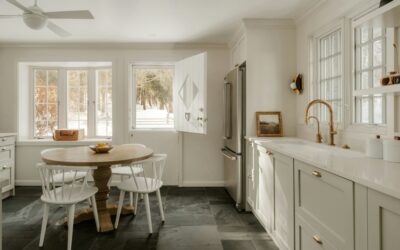
- Natural stone (slate, granite): Beautiful and tough, but porous stone needs sealing and can be pricey. Slate hides dirt exceptionally well thanks to its varied texture.
- Cement-look and encaustic-look porcelain: Gives you the vintage patterned look without the fragility and constant sealing that real cement tile requires.
For most homeowners, a through-body or glazed porcelain is the best balance of durability, water resistance, and style.
Patterns That Hide Dirt and Add Character
A mudroom is the perfect place to have fun with pattern, because busy patterns disguise everyday dirt and scuffs. Ideas to consider:
- Patterned encaustic-look tile: Moroccan, geometric, or floral cement-look porcelain makes the floor a feature and masks footprints between mopping.
- Herringbone or chevron: Laying rectangular or wood-look tile in a herringbone pattern adds motion and a custom feel.
- Basketweave and hexagon mosaics: Small-format tiles add grip and a classic entry look; hexagons read as timeless.
- Checkerboard: A black-and-white checker is a durable, high-contrast classic that hides dust surprisingly well.
- Wood-look plank tile: Gives the warmth of wood with the waterproof toughness of porcelain, ideal if the mudroom flows into a kitchen.
Choosing Colors That Stay Looking Clean
Color choice has a big impact on how often the floor looks dirty. Guidance:
- Mid-tone and variegated colors hide dirt best. Grays, warm taupes, and multi-tone stone looks disguise dust and pet hair far better than solid light or solid dark tile.
- Avoid solid black or solid white. Black shows every speck of dust and lint; glossy white shows every footprint and salt smear.
- Match grout to tile. A grout color close to the tile hides the grid and future staining. Light grout in a mudroom will look dingy fast.
- Texture helps. Slightly textured or matte finishes conceal water spots and provide grip.
Slip Resistance and Safety
Wet boots plus smooth tile equals a fall risk, so slip resistance matters more in a mudroom than almost anywhere else. Look for:
- A textured or matte finish rather than high-gloss polished tile.
- A DCOF rating of 0.42 or higher, the accepted threshold for tile that may get wet. Manufacturers list this on the spec sheet.
- Smaller tiles or mosaics in high-splash zones, because the extra grout lines add traction.
Pair the floor with a good boot tray and an absorbent washable rug at the door to catch the worst of the water.
Grout, Layout, and Practical Details
The tile gets the attention, but grout and layout decide how the floor performs long term:
- Use epoxy or a high-performance cement grout with a stain-blocking sealer. Mudroom grout takes salt and mud, and standard unsealed grout stains quickly.
- Keep grout lines tight (1/16 to 1/8 inch with rectified tile) for a cleaner look and less grout to scrub, or wider with handmade-look tile for character.
- Run wood-look plank tile in the direction of the walk path to make the space feel longer.
- Add a durable transition strip where the mudroom meets carpet or hardwood.
- Consider radiant floor heat under the tile. Tile is cold in winter, and electric radiant mats dry wet floors faster and make the room comfortable.
What Mudroom Tile Costs
Budget varies with material and labor, but here are typical ranges:
- Glazed ceramic: $1 to $5 per square foot for the tile.
- Porcelain (including wood-look and cement-look): $3 to $10 per square foot.
- Natural stone: $5 to $15+ per square foot.
- Professional installation: $7 to $15 per square foot, higher for intricate patterns like herringbone or mosaics.
A typical 6-by-8-foot mudroom (about 48 square feet) might run $400 to $1,200 for materials and installation with mid-range porcelain. Patterns and small mosaics add labor cost because of the extra cuts and setting time.
Putting a Look Together
A few complete, homeowner-friendly combinations:
- Classic and clean: Gray wood-look porcelain plank in a straight or herringbone lay, with a matching gray grout and a bench above.
- Vintage charm: Black-and-white patterned encaustic-look porcelain with a coordinating dark grout, framed by simple white beadboard.
- Farmhouse durable: Slate-look porcelain in a warm multi-tone, tight grout, and radiant heat underneath.
- Bright and modern: Large-format concrete-look porcelain in a mid gray with minimal grout lines for a seamless, easy-clean surface.
Subfloor Prep and Installation Basics
A mudroom floor takes moisture and traffic, so what is under the tile matters as much as the tile itself. Getting the substrate right prevents cracked tile and loose grout down the road:
- Start with a flat, rigid subfloor. Tile is unforgiving of flex. Over a wood subfloor, add a cement backer board or an uncoupling membrane so seasonal movement does not crack the tile or grout.
- Use an uncoupling or waterproof membrane in a mudroom that sees snow melt and wet boots. It isolates the tile from subfloor movement and adds a moisture barrier.
- Choose the right thinset. A polymer-modified thinset gives better bond and moisture tolerance for a wet entry.
- Plan the layout from the center or a focal line so cut tiles land symmetrically at the edges, and dry-lay a row before setting to check the pattern.
If your mudroom is over a slab, check for moisture and cracks first; an uncoupling membrane bridges minor slab cracks so they do not telegraph up through the tile.
Cleaning and Long-Term Care
The whole point of tile in a mudroom is easy upkeep, and a simple routine keeps it looking new:
- Sweep or vacuum grit often, since sand and salt are abrasive and dull the finish over time.
- Damp mop weekly with a pH-neutral tile cleaner. Skip harsh acids on stone and avoid oil-based soaps that leave a film.
- Tackle road salt promptly. Winter salt leaves a white haze and is hard on grout; wipe it up and rinse.
- Re-seal grout and natural stone periodically, typically once a year, to keep them stain-resistant.
- Keep a boot tray and washable mat at the door to catch the worst of the water and mud before it hits the floor.
With a durable porcelain, matched grout, and this light routine, a mudroom floor can look sharp for decades even under daily abuse.
Frequently Asked Questions
What is the best tile for a mudroom? Porcelain is the top choice because it is dense, water-resistant, and comes in wood, stone, and cement looks. Choose a matte or textured finish for slip resistance.
What tile color hides dirt best? Mid-tone, variegated colors like gray, taupe, and multi-tone stone looks hide dust and footprints far better than solid black or solid white. Match the grout to the tile.
Is patterned tile a good idea in a mudroom? Yes. Busy encaustic-look, herringbone, and checkerboard patterns disguise everyday dirt and add character, making the floor look cleaner between mopping.
How do I keep mudroom grout from staining? Use epoxy or a high-performance cement grout, seal it, and pick a grout color close to the tile. Wipe up road salt promptly, since salt is hard on grout.
Should I put heated floors under mudroom tile? If your budget allows, electric radiant mats are a great add. Tile is cold underfoot, and radiant heat warms the room and helps dry wet floors faster.
Prefer to explore on your own?
See how new flooring looks in your actual room in seconds — free, no signup.
Try the free Floor Studio →