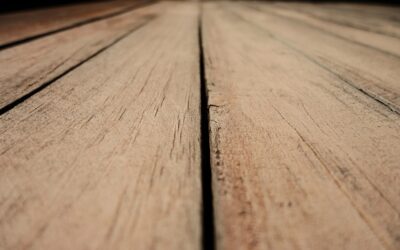
If you have a stained concrete balcony or a tired wood deck and no appetite for a full rebuild, interlocking multy home deck tile is the kind of weekend fix that makes people think you spent thousands. These snap-together squares from Multy Home float over your existing surface, hide cracks and stains, and pop apart just as easily when you move. I have installed dozens of these systems on rental balconies and rooftop patios, and they genuinely earn their keep — as long as you understand what they can and cannot do. Here is the practical rundown.
Part of our Decks & Outdoor guide — explore the full guide →
What Multy Home Deck Tile Is
Multy Home is a Canadian manufacturer that makes a range of interlocking outdoor floor tiles sold at big-box stores, home centers, and online. The tiles are typically 12 by 12 inches and click together with a hidden plastic base grid or peg-and-loop edges. You lay them directly over concrete, wood, or a solid balcony surface — no adhesive, no fasteners, no tools.
The line spans several looks: composite wood-grain slats, real acacia or eucalyptus hardwood tops, rubber or plastic bases, and stone-look composite. The common thread is a modular, portable system aimed at renters and DIYers who want a finished floor without demolition.
Once your patio flooring is in place, think about how you’ll use the space. A gazebo adds shade and structure, while a good outdoor furniture set turns it into a spot you’ll actually want to hang out in. A deck box is also worth considering if you need somewhere to stash cushions and outdoor gear.
We may earn a commission when you purchase through our links.
The Main Material Options
Choosing the right top surface matters more than anything else, because it dictates both looks and lifespan outdoors.
- Composite wood-grain tiles: UV-stable plastic-wood blend, fade-resistant, lowest maintenance
- Real hardwood tiles (acacia/eucalyptus): warm natural look, needs periodic oiling to prevent graying
- Rubber deck tiles: soft, slip-resistant, great for play areas and gyms, less refined look
- Stone or slate-look composite: mimics natural stone, good for a patio aesthetic
For a low-maintenance balcony that bakes in the sun, I steer people to the composite wood-grain. Real hardwood looks the best on day one but silvers within a season or two unless you oil it every spring.
Real-World Cost
Deck tiles are priced per tile or per carton, and they add up faster than the sticker suggests. Plan on:
- Composite and plastic tiles: roughly $3 to $6 per square foot
- Real hardwood tiles: roughly $5 to $10 per square foot
- Rubber tiles: roughly $4 to $8 per square foot
A 100-square-foot balcony therefore runs about $300 to $1,000 in materials. There is essentially no labor cost if you do it yourself, which is the whole appeal. Compare that to $15 to $30 per square foot for a poured or tiled patio done by a contractor and the savings are obvious.
Installation, Step by Step
This is the easiest flooring install in the business. Here is the process I follow every time:
- Sweep and clear the surface completely. The base must be solid and reasonably flat — these tiles are not a leveling system.
- Start in the most visible corner, usually the one you see when you step outside, and work outward so cut tiles land against the wall.
- Snap tiles together edge to edge, pressing down until the connectors click.
- Cut border tiles with a fine-tooth handsaw, jigsaw, or utility knife depending on the material.
- Leave a small gap at the walls for drainage and expansion.
A 100-square-foot deck goes down in two to three hours. No mortar, no cure time, no special tools beyond a saw for the edges.
Drainage and Airflow — The Part People Miss
The reason these tiles work outdoors is the open grid or raised feet on the underside. Water drains straight through the seams and runs off the concrete below, and air circulates so the top surface dries out. That elevation also lifts the walking surface above puddles and hides a cracked or stained slab.
But that same open design means debris — leaves, dirt, seeds — sifts through and collects underneath. Every spring you should lift a section, sweep out the accumulated grime, and check for any pooling water or mildew on the slab. Skip that maintenance for a few years and you can trap moisture, which is bad for both the tiles and the surface below.
Durability and Lifespan
Composite and plastic tiles hold up well, typically lasting 7 to 15 years with UV inhibitors keeping fade in check. Real hardwood tiles last a long time structurally but need oiling to keep their color; neglected, they turn silver-gray within a couple seasons. Rubber tiles are nearly indestructible underfoot.
The weak point on any of these is the plastic connector tabs. In freezing climates, brittle connectors can crack when tiles are walked on cold, and cheap knock-offs fail here far faster than the name-brand product. Buy quality, and store tiles indoors if you take them up seasonally.
Where They Work and Where They Don’t
Interlocking deck tiles are ideal for apartment balconies, rental patios, rooftop decks, and any spot where you want a removable, damage-free upgrade. Renters love them because they leave no marks and pack up on move-out day.
They are a poor choice over soft or uneven ground — grass, gravel, or bare soil — because they need a firm, flat base. They also will not fix a structurally failing deck; they only cover the surface. And on a windy high-rise balcony, make sure the system locks tightly so tiles do not lift in a gust.
How Much to Buy and Planning Your Layout
Deck tiles are sold by the carton, and each carton covers a set square footage — commonly 6 to 10 tiles per box. Measure your space in square feet, then add 10 percent for cuts and the occasional cracked connector. A common mistake is measuring only the open floor and forgetting the tiles you will trim down at the walls, which effectively become partial tiles and waste material.
Before you commit to a color, buy a single carton and lay it out on your balcony for a few days. Colors that look rich in a store photo can read differently in full sun, and you want to see how the tile handles your specific light and how it feels underfoot barefoot on a hot afternoon. Composite tiles get warmer in direct sun than wood or rubber.
Plan the starting corner deliberately. Begin at the most visible corner — usually the doorway you step out of — so full tiles land where the eye goes first and cut tiles hide against the far walls and railing. If your balcony drains toward one edge, orient the grid so water still flows to that drain rather than damming against a row of tiles.
Is Multy Home Deck Tile Worth It?
For the right situation, absolutely. A quality multy home deck tile system delivers a genuinely attractive, finished outdoor floor for a few hundred dollars and an afternoon of tool-free work, with the bonus that it is completely reversible. Pick the composite wood-grain for the best balance of looks and low upkeep, keep the surface underneath clean and draining, and you will get years of good-looking service out of a floor you installed yourself. Just remember it is a surface treatment, not a structural repair — a solid base beneath it is non-negotiable.
Prefer to explore on your own?
See how new flooring looks in your actual room in seconds — free, no signup.
Try the free Floor Studio →