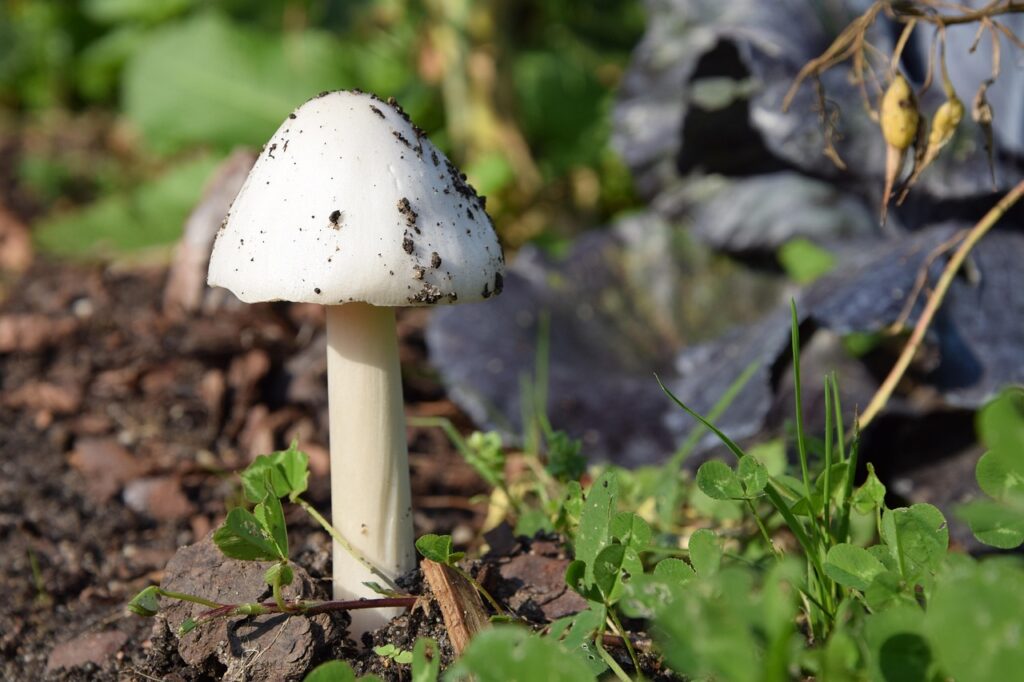
The first time I tipped a yard of dark, crumbly mushroom mulch onto a tired perennial bed, I expected mediocrity and got a transformation instead. By the end of one growing season, the soil was loose enough to plant by hand, the worm population had quadrupled, and the hostas were the biggest I had ever grown. After fifteen years of using this byproduct on vegetable beds, foundation plantings, and even fruit orchards, I can tell you it is one of the most underrated soil amendments available — if you understand what it actually is and where it belongs.
What Mushroom Mulch Actually Is
Mushroom mulch — sometimes called spent mushroom substrate or SMS — is the leftover growing medium from commercial mushroom farms. Once Agaricus button mushrooms or portobellos finish their growing cycle, the substrate is removed, pasteurized, and sold off. The base ingredients vary by farm but typically include:
- Composted wheat straw
- Horse or chicken manure
- Cottonseed hulls or corn cobs
- Gypsum and lime for pH balance
- Peat moss as a casing layer
By the time it leaves the mushroom house, the material has been steam-pasteurized at 160°F, broken down by mushroom mycelium, and stabilized into a dark brown, sweet-smelling product. It is essentially pre-digested compost with residual mycelial networks still intact.
How It Differs From Regular Compost or Bark Mulch
People confuse mushroom mulch with bagged compost or wood mulch, but they serve different jobs.
Bark mulch is mostly carbon — it suppresses weeds and locks in moisture but contributes very little nutrition for at least two seasons. Regular compost is a fast-release nutrient source but breaks down within months and offers minimal weed suppression. Mushroom mulch sits in the middle: it suppresses weeds for one to two seasons while feeding soil biology and slowly releasing nitrogen, phosphorus, and potassium throughout that span.
The mycelium is the real trick. Even after harvest, beneficial fungi continue colonizing your beds, building soil structure and improving water retention.
The Plants That Thrive With It
Heavy feeders and acid-tolerant ornamentals are the obvious winners:
- Tomatoes, peppers, squash, and cucumbers — yield gains of 20 to 40 percent in side-by-side trials
- Roses, especially established hybrid teas that crave nutrient-dense topdressing
- Hostas, ferns, astilbe, and other shade-loving perennials
- Established fruit trees — apple, pear, and stone fruits especially
- Pumpkin patches — the slight alkaline pH boosts large-fruited varieties
Two seasons of mushroom mulch around a struggling rose can revive it like nothing else. The dark color also retains heat in spring, giving tomatoes a one to two week head start.
Where It Causes Problems
Mushroom mulch is not universal. Skip it around these:
- Blueberries, azaleas, rhododendrons, and other acid-loving plants — the gypsum content raises pH
- Camellias and pieris
- Newly seeded lawns — salt content can stunt fresh germination
- Seedlings under 4 weeks old — too rich, will burn tender roots
Fresh batches can run 4 to 6 EC on a soluble salts test, which is too hot for delicate plants. Always ask the supplier when the batch came out of the mushroom house. Material that has aged outdoors for at least 90 days is safer for general use.
Application Rates and Method
Apply a 2 to 3 inch layer over established beds. Avoid piling against stems or trunks — leave a 2-inch breathing gap to prevent rot. For new beds, work 1 to 2 inches into the top 6 inches of native soil before planting. For lawns, topdress 1/4 inch in early spring or fall after core aeration.
One cubic yard covers about 100 square feet at 3 inches deep. A standard pickup with a 6-foot bed holds roughly 1.5 to 2 yards if you can keep it from spilling.
Cost and Where to Buy It
Pricing depends heavily on proximity to a mushroom farm. Pennsylvania, California, Florida, and Ontario produce most of the North American supply, and prices closest to those regions are the best.
- Bulk delivered (10 yards or more): $20 to $45 per cubic yard
- Bulk pickup at the farm: $12 to $25 per cubic yard
- Bagged at a garden center: $5 to $9 per 1 cubic foot bag
- Big box store retail: $4 to $7 per 1 cubic foot bag
Bulk pickup is far cheaper if you have the truck and patience to load it yourself. Some farms in southeastern Pennsylvania will load a pickup for under $20 with a phone call ahead.
Storage and Handling Tips
If you cannot use it all immediately, pile it on a tarp under cover. Cover the top with a second tarp during heavy rain to prevent nutrient leaching. The pile will continue to compost slowly — perfectly acceptable, in fact desirable. Turn it once a month if you want a more uniform finished product.
Wear gloves and a basic dust mask when shoveling. The fine particles can irritate skin and lungs, especially if the material has dried out. Hose down dry batches before spreading to keep dust down and lock in nitrogen.
Long-Term Soil Effects
Three consecutive years of mushroom mulch applications can lift organic matter in clay or sandy soils from 2 percent to 6 or 7 percent. Earthworm populations explode. Drought resilience improves dramatically — irrigation needs drop 30 to 40 percent in my experience.
Get a soil test every other year to monitor pH and salts. The slight alkaline drift is easy to correct with elemental sulfur if you go too far. For most established gardens, mushroom mulch is the single best soil amendment I keep recommending after watching its results across hundreds of yards over a decade and a half.