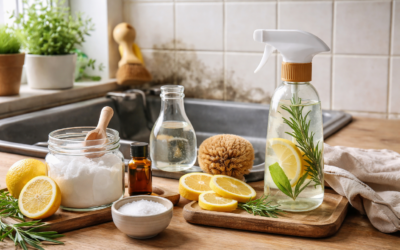
The cleaning aisle is full of green-marketed bottles that claim to clean as well as bleach, and most of them quietly do not. Natural toilet cleaner formulas can absolutely match conventional products on real stains, but only if they include the right combination of acid for mineral deposits, surfactant for soils, and a long enough dwell time to let the chemistry actually do its job. The mistake most homeowners make is spraying and immediately scrubbing, which is exactly when natural cleaners fall behind. Get the technique right and you can ditch chlorine bleach forever.
Part of our Bathroom Remodeling & Flooring guide — explore the full guide →
Why Natural Cleaners Get a Bad Reputation
The complaint with natural toilet cleaners — that they “do not really work” — usually comes down to user error rather than product weakness. Conventional bleach-based cleaners are aggressive enough to clean even when used wrong. Natural alternatives use milder chemistry that needs proper application: pre-wet the bowl, apply liberally, let it sit 5-15 minutes, then scrub.
Most household toilet stains are mineral deposits (calcium, magnesium, iron) or organic soils. Mild acids handle the first; surfactants and oxygen bleach handle the second. Both require dwell time.
The Best DIY Recipe
This simple weekly recipe competes with most store-bought “green” products at a fraction of the cost. In a spray bottle:
- 1 cup distilled white vinegar
- 1 tablespoon Castile soap (Dr. Bronner’s unscented)
- 1 teaspoon hydrogen peroxide (3% from drugstore)
- 10-15 drops tea tree or eucalyptus essential oil (optional, for scent and antimicrobial boost)
Apply liberally under the rim and on visible surfaces. Sprinkle 1/4 cup baking soda directly into the bowl water — it will fizz when it contacts the vinegar mist. Let everything sit 10 minutes, then scrub with a stiff-bristle toilet brush. Flush.
Total cost per batch: about $0.40. Total per cleaning: about $0.10.
Hard Water Stain Removal
For stubborn calcium rings and rust stains, vinegar alone needs help. The fix:
Drain the bowl by pouring a bucket of water in fast (forces the existing water through the trap) or by turning off the supply valve and flushing. Apply undiluted white vinegar to the stained area and cover with paper towels soaked in more vinegar. Let it sit 1-3 hours, then scrub with a pumice stone designed for porcelain (about $5 at hardware stores).
For severe rust from well water, citric acid powder works better than vinegar. A 1/2 cup of citric acid ($8 for a 1-lb bag on Amazon) dissolved in a cup of warm water removes most rust stains within 30 minutes.
Best Store-Bought Natural Options
If DIY feels like too much effort, several commercial products perform well:
- Seventh Generation Toilet Bowl Cleaner ($4-$5): citric acid base, plant-derived surfactants, EPA Safer Choice certified
- Mrs. Meyer’s Toilet Bowl Cleaner ($4-$6): citric acid plus essential oils, pleasant scent
- Better Life ($5-$7): the cleanest ingredient list, biodegradable surfactants
- Method Lil’ Bowl Blu ($4-$5): stronger than typical green cleaners, citric acid based
- Earth Friendly ECOS ($4-$5): good budget option, decent on mild stains
Avoid products that list only “natural fragrance” without specifying ingredients. The fragrance category in unregulated cleaners can hide irritants.
What Bleach Does That Natural Cleaners Do Not
Honest assessment: chlorine bleach is the only common cleaner that fully kills C. difficile spores, certain stomach virus strains, and some specific bacterial colonies. For most household maintenance cleaning, that level of disinfection is unnecessary.
Hydrogen peroxide at 3% kills 99.9% of common household germs given 5+ minutes of contact time. It does not kill spores. For a household with no immunocompromised members, hydrogen peroxide is a reasonable substitute. After norovirus or another GI illness, switch temporarily to bleach for the week.
Don’t Mix These
Some natural cleaner combinations create dangerous reactions or just neutralize each other:
- Vinegar plus bleach (creates toxic chlorine gas)
- Hydrogen peroxide plus vinegar in the same bottle (creates peracetic acid, which is irritating)
- Baking soda plus vinegar pre-mixed (neutralize each other to salt water)
- Castile soap plus vinegar mixed in advance (curdles into useless white clumps)
The recipe above works because the soap-vinegar mix is freshly applied and the baking soda hits the bowl water separately.
The Toilet Brush Question
Even the best cleaner is only as good as the tool. Replace toilet brushes every 6-12 months. The OXO Good Grips compact brush ($14) and the Joseph Joseph Flex ($20) are both excellent. Avoid brushes with metal bands near the bristles because they rust and stain the bowl.
Disinfect the brush itself by storing it in a holder with a half-inch of vinegar in the bottom, refreshed weekly.
Maintenance Schedule
A consistent schedule beats heavy occasional cleaning:
- Daily: quick swirl of the brush, no product needed
- Weekly: full cleaning with the natural recipe above
- Monthly: deep clean with vinegar soak under the rim, focus on jet holes
- Quarterly: pumice stone treatment for any developing stains
- Annually: drain the bowl and treat the trap and jets with citric acid
This routine prevents buildup that requires aggressive cleaning later.
Septic Tank Considerations
Bleach kills the bacteria your septic tank needs to function. Natural cleaners are a meaningful upgrade for septic households because they break down without disrupting the biology. Vinegar, citric acid, baking soda, and hydrogen peroxide are all septic-safe in normal household quantities.
Avoid heavy use of even natural antibacterial essential oils (tea tree, oregano) on septic systems. The oils kill bacteria all the way through to the tank and can slow processing.
Switching From Bleach
If you are coming from heavy bleach use, expect a 2-3 week transition where minor surface dulling fades and the porcelain returns to looking better than before. Bleach causes microscopic etching that traps soil; natural cleaners actually allow the surface to heal slightly.
Stick with the routine for a month before judging. Most households find the bowl looks cleaner and the bathroom smells better than during the bleach years, with no sacrifice in actual hygiene.