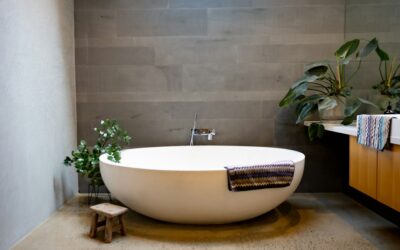
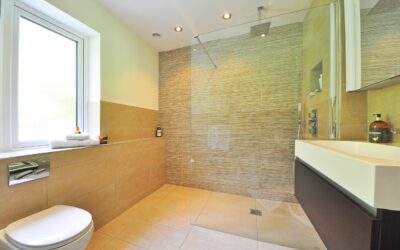
A painted vanity hides the material; a natural wood bathroom vanity puts the grain, color, and character of real wood on full display, which is exactly why it anchors so many warm, spa-like, and organic modern bathrooms. The catch is that showing the wood means the wood has nowhere to hide, so the species you pick, the finish you choose, and the care you commit to all matter more than they would on a painted cabinet. From rustic reclaimed oak to sleek clear-sealed walnut, the pieces that still look stunning years later are the ones chosen and finished with the bathroom’s humidity in mind from day one.
Part of our Bathroom Remodeling & Flooring guide — explore the full guide →
Natural wood brings texture and warmth no laminate can fake. This guide walks through which woods hold up, which styles suit which rooms, and how to keep the finish looking fresh in the wettest room in the house.
- Choose a Wood Species That Suits the Bathroom
- Finishes That Keep It Looking Natural
- Styles for Different Bathrooms
- Standard Sizes to Plan Around
- Sealing to Survive the Humidity
- Floating Versus Freestanding Natural Wood Vanities
- Pairing Sinks and Tops With Natural Wood
- Daily Care to Preserve the Grain
Choose a Wood Species That Suits the Bathroom
Not all woods handle humidity equally, and the grain you love has to survive the environment. The best species balance appearance with moisture tolerance.
- Teak: The gold standard for wet areas. Its natural oils resist water and rot, which is why it appears in boats and outdoor furniture. Expensive but nearly bulletproof in a bathroom.
- White oak: Dense, tight-grained, and dimensionally stable, with a handsome open grain that suits modern and transitional rooms.
- Walnut: Rich chocolate tones for a warm, upscale look. Softer than oak, so it wants a careful protective finish.
- Bamboo: Technically a grass, but a hard, sustainable, moisture-tolerant option with a clean contemporary grain.
- Hickory and maple: Hard and durable, lighter in tone, good for a bright natural look.
Avoid soft, porous woods like untreated pine for a high-use bathroom unless you seal them heavily and accept dents. The species sets the ceiling on both looks and longevity.
Finishes That Keep It Looking Natural
The whole point is to see the wood, so the finish has to protect without hiding the grain. You have three broad choices, each with a different look and upkeep rhythm.
Clear polyurethane, water-based to avoid yellowing, builds a durable film that resists water well and needs the least maintenance; it is the default for a busy family bath. Penetrating oils like tung or hardwax oil soak into the wood for a soft, matte, ultra-natural feel and are easy to spot-repair, but they need reapplication every one to two years. A light stain plus clear topcoat lets you deepen or even out the color while keeping the grain visible. Whatever you pick, matte and satin sheens read more natural than high gloss, which can make real wood look like plastic.
Styles for Different Bathrooms
Natural wood is versatile enough to headline several looks, so match the vanity’s form to the room. In a modern or Scandinavian bath, a floating wall-mounted vanity in clear-sealed white oak with flat-slab doors and a stone or concrete top feels clean and airy. For a rustic or farmhouse room, a freestanding vanity in reclaimed or knotty wood with visible grain and a vessel sink brings texture and age.
A Japandi or spa aesthetic leans on warm mid-tones like walnut or teak, simple lines, and integrated or trough sinks. Coastal bathrooms suit lighter woods, bamboo or weathered oak, with a matte finish. In a small bathroom, a wall-mounted natural wood vanity keeps sightlines to the floor open and makes the room feel larger while still delivering that warm-wood focal point.
Standard Sizes to Plan Around
Fitting the vanity to the space is straightforward because the industry sticks to common dimensions. Single vanities come in 24, 30, 36, and 48 inches wide; doubles run 60 and 72 inches. Standard depth is 21 inches, though slim 18-inch depths exist for tight powder rooms, and height is typically 32 to 36 inches, with 36-inch comfort height easiest on the back for adults.
Leave at least 30 inches of clear floor width centered on the sink for comfortable use, and keep 24 inches of clearance in front of the vanity for standing and opening doors. For a floating vanity, plan the mounting height so the top lands around 32 to 34 inches and confirm the wall has solid blocking or you add it, since a cantilevered wood vanity plus a stone top is heavy.
Sealing to Survive the Humidity
Natural wood in a bathroom is a race between moisture and your finish, and sealing wins it. Before or right after install, make sure every surface is coated, including the hidden top edge under the counter, the back panel, the bottom, and especially the end grain, which drinks water fastest. Factory finishes often skimp on these hidden faces, so add a coat yourself.
Caulk every seam where water could enter, at the countertop-to-backsplash joint and around the sink and faucet base, with clear silicone. If you chose an oil finish, plan to refresh it on a schedule, wiping on a new coat every year or two before the wood ever feels dry or looks dull. For film finishes, watch high-splash zones near the faucet and re-topcoat at the first sign of wear rather than waiting for water to reach bare wood.
Floating Versus Freestanding Natural Wood Vanities
How the vanity meets the floor changes both the look and the practicalities. A floating, wall-mounted natural wood vanity reads clean and modern, keeps the floor visible to make a small bathroom feel larger, and simplifies cleaning underneath. The catch is that the wall must carry the load: a wood vanity plus a stone top is heavy, so the wall needs solid blocking between the studs, and you set the mounting height so the top lands around 32 to 34 inches.
A freestanding vanity rests on legs or a full base, offers more built-in storage, and installs without needing reinforced wall blocking, which makes it the easier retrofit. It also hides plumbing better behind a full cabinet. Freestanding suits traditional, farmhouse, and rustic looks, while floating suits modern, Scandinavian, and Japandi rooms. For wet floors, a floating vanity has the edge because water on the floor never touches the cabinet, whereas a freestanding base can wick moisture from a mopped or splashed floor if its feet sit in standing water.
Pairing Sinks and Tops With Natural Wood
The sink and counter you choose either showcase the wood or fight it. A vessel sink sitting on top of a solid wood or butcher-block counter is a popular way to celebrate the grain, since the flat wood surface becomes the visual star, though you must seal that exposed wood meticulously because it sees direct splashing. An undermount or integrated sink in a stone top over the wood base is more water-safe and lower maintenance.
For counter materials, quartz and granite protect the vanity while contrasting nicely with warm wood, and a concrete top leans into the organic, natural aesthetic. If you want an all-wood look with a butcher-block or solid-wood top, accept that it needs the most diligent sealing and periodic re-oiling of any option, especially around the faucet. Match the faucet and hardware finish, matte black, brushed brass, or brushed nickel, to the room’s other metals so the natural wood vanity reads as a designed piece rather than a lucky pairing. Keep the wood grain the hero and let the sink and top support it.
Daily Care to Preserve the Grain
Keeping a natural wood vanity beautiful is mostly about small consistent habits. Wipe water and toothpaste splashes off promptly with a soft, barely damp cloth, then dry it. Skip abrasive pads and harsh cleaners; a drop of pH-neutral soap in water is all the surface needs, and anything with bleach or ammonia will strip the finish and lighten the tone unevenly.
Manage humidity aggressively because it is what warps and grays untreated wood over time. Run the exhaust fan during every shower and 15 to 20 minutes after, and wipe down the vanity if steam settles on it. Use trays or coasters under bottles that sweat or leak, and check the cabinet interior for slow leaks each season. Cared for this way, a natural wood bathroom vanity only improves with age, developing the kind of lived-in patina that painted cabinets can never match.