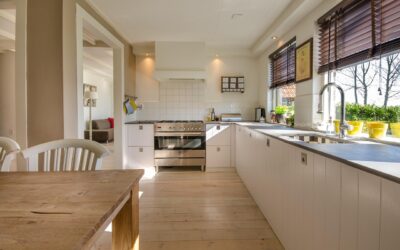
After years of dark espresso stains and heavy-gloss polyurethane dominating hardwood trends, the design world has shifted decisively toward natural wood floors. The idea is simple — let the wood look like wood. No heavy stain, no mirror-like sheen, just the honest grain, tone, and texture of real timber.
Natural finish hardwood floors have become the default choice in modern, Scandinavian, farmhouse, and transitional interiors. They brighten rooms, hide wear better than dark stains, and age gracefully over decades. Here is everything you need to know about choosing, finishing, and maintaining a natural wood floor.
What Exactly Is a Natural Wood Floor?
A natural wood floor is any hardwood floor that preserves the wood’s original color rather than altering it with pigmented stain. The floor is still finished — it still has a protective coating — but that coating is clear or nearly clear, allowing the species’ natural tone to show through.
There are several ways to achieve this look:
- Unfinished hardwood + clear coat: Raw wood planks installed on-site and sealed with a clear water-based polyurethane or hardwax oil. This is the most traditional approach and gives you full control over the final appearance.
- Prefinished natural: Factory-finished planks with a clear or “natural” finish applied in a controlled environment. Faster installation, though you may see micro-bevels at plank edges.
- Oil-finished: Penetrating oil (such as Rubio Monocoat or Osmo) soaks into the wood grain rather than sitting on top. This produces a matte, raw-wood appearance that feels natural underfoot.
- Matte polyurethane: A water-based poly with a matte or satin sheen (10-25% gloss) that protects like traditional poly but without the plastic-looking shine.
The common thread is that the wood’s species color remains the star. You see the warm honey of white oak, the creamy blonde of maple, or the pale wheat of ash — not a layer of walnut or ebony stain on top.
Best Wood Species for a Natural Look
Not every species looks equally appealing in its natural state. Some have dramatic grain patterns and warm tones that shine without stain, while others can look plain or blotchy. Here are the top species for natural wood floors.
White Oak
White oak is the undisputed king of natural hardwood floors in 2026. Its grain is prominent but not overwhelming, with a warm honey-to-tan base color and subtle ray flecking that adds visual interest. White oak takes oil finishes beautifully and develops a rich patina over time.
Janka hardness: 1,360 lbf — hard enough for high-traffic areas including kitchens and living rooms. White oak is also naturally resistant to moisture, making it more forgiving than many other species in kitchens and entryways.
Red Oak
Red oak has been America’s most popular hardwood floor species for generations. In its natural state, it has a pinkish-salmon undertone with pronounced grain patterns. Some homeowners love this warmth, while others find the pink tones too traditional for modern spaces.
If you want to tone down the redness while keeping a natural look, a water-based polyurethane works better than oil-based (which adds amber warmth and amplifies the pink). Red oak scores 1,290 on the Janka scale.
Maple
Maple offers the lightest, most uniform natural appearance of any common hardwood. Its tight, closed grain creates a smooth, contemporary look that works well in modern and minimalist interiors. Natural maple ranges from creamy white to light blonde with occasional mineral streaks.
At 1,450 Janka, maple is harder than oak and very durable. The trade-off is that maple does not accept stain evenly, so natural is actually the best way to showcase this species.
Ash
Ash is an underappreciated choice for natural floors. It has a light, wheat-colored base with bold, open grain similar to oak but with a slightly more modern feel. Natural ash floors photograph beautifully and work particularly well in Scandinavian-inspired spaces.
Ash hardness is 1,320 Janka — comparable to white oak. It takes oil finishes exceptionally well and develops a warm golden tone as it ages.
Hickory
For homeowners who want dramatic character in a natural floor, hickory delivers. It has the widest color variation of any domestic species, with planks ranging from creamy white sapwood to deep brown heartwood — all in the same floor. The grain is bold and rustic.
At 1,820 Janka, hickory is the hardest common domestic hardwood. It is ideal for households with large dogs, active kids, and heavy furniture. Natural hickory floors make a statement in farmhouse, rustic, and lodge-style interiors.
Natural Finish Types: Oil vs. Polyurethane vs. Hardwax Oil
The finish you choose affects both the appearance and the maintenance requirements of your natural wood floor.
Water-Based Polyurethane (Matte or Satin)
Water-based poly is the most common protective finish for hardwood in the United States. Modern formulations from brands like Bona Traffic HD and Loba Supra are extremely durable, dry quickly, and add minimal color to the wood.
A matte or satin water-based poly (15-35% gloss) gives you the natural look while providing a tough surface film that resists scratches, spills, and wear. Maintenance is simple — just clean and occasionally recoat every 5-10 years.
The downside is that polyurethane sits on top of the wood as a plastic-like film. When it does eventually scratch or wear through, spot repair is difficult — you usually need to sand and recoat the entire floor or at least the affected room.
Penetrating Oil
Penetrating oils like Rubio Monocoat and Osmo Polyx-Oil soak into the wood fibers rather than forming a surface film. The result is a floor that looks and feels like raw, untreated wood — you can feel the grain texture underfoot, and the wood develops a rich patina over time.
Oil finishes are the go-to choice for the “European natural” look seen in high-end Scandinavian and modern interiors. They are also easier to spot-repair than polyurethane — if an area gets damaged, you can sand and re-oil just that section without visible overlap lines.
The trade-off is that oil-finished floors require more frequent maintenance. High-traffic areas may need re-oiling every 1-2 years, and spills need to be wiped up quickly since there is no surface film acting as a barrier.
Hardwax Oil
Hardwax oil is a hybrid finish that combines penetrating oil with natural waxes (typically carnauba and candelilla). It penetrates the wood like a pure oil but adds a thin wax layer on top for extra protection. The look is very close to pure oil — matte, natural, and tactile — but with better resistance to water and staining.
Brands like Rubio Monocoat (which is technically a hardwax oil despite being called an oil) and Osmo Polyx-Oil are the market leaders. Hardwax oil is the sweet spot between the natural look of oil and the easy maintenance of polyurethane.
Why Natural Finish Hardwood Is Trending
Several factors are driving the shift toward natural wood floors:
Hides wear better than dark finishes. Dark-stained floors show every scratch, dust bunny, and footprint. Natural and light-toned floors are far more forgiving, which is a practical advantage for busy households.
Brightens rooms. Natural wood reflects more light than dark-stained wood, making rooms feel larger and airier. This is especially valuable in rooms with limited natural light or in open floor plans where the floor color sets the tone for the entire space.
Timeless rather than trendy. Dark espresso and gray-washed hardwood had their moment, but natural wood floors have never gone out of style. A natural white oak floor installed today will look just as appropriate in 2040 as it does now.
Scandinavian and Japanese design influence. Both Scandinavian hygge and Japanese wabi-sabi aesthetics celebrate natural materials in their honest state. As these design philosophies have gone mainstream, natural wood floors have followed.
Sustainability appeal. Oil finishes use fewer VOCs than many polyurethanes, and the “natural” aesthetic aligns with the broader consumer preference for materials that look unprocessed and authentic.
How to Care for Natural Wood Floors
Maintenance varies depending on your finish type, but the fundamentals are the same.
Daily and Weekly Care
- Dust daily in high-traffic areas with a dry microfiber mop or dust mop. Grit and sand are the primary causes of scratches on hardwood.
- Vacuum weekly with a hard-floor setting (beater bar off) to remove debris from gaps between planks.
- Damp mop weekly with a barely-damp microfiber mop and a pH-neutral hardwood cleaner. Bona Hardwood Floor Cleaner works for poly-finished floors. For oil-finished floors, use the oil manufacturer’s recommended cleaner (Rubio Monocoat Soap, Osmo Wash and Care, etc.).
Seasonal Maintenance
- Control humidity. Wood expands and contracts with humidity changes. Keep indoor relative humidity between 35-55% year-round using humidifiers in winter and dehumidifiers or AC in summer.
- Move rugs and furniture occasionally. Natural wood floors develop a patina as they age, and UV exposure accelerates color change. Rotating rugs prevents stark tan lines between exposed and covered areas.
- Touch up oil finishes. If you have an oil or hardwax oil finish, high-traffic areas like hallways and kitchen work zones may need a refresher coat every 12-24 months. This is a simple process — clean the area, apply a thin coat of oil, and buff.
Long-Term Refinishing
One of the great advantages of solid and engineered hardwood is the ability to refinish. When your natural floor eventually shows significant wear, you can sand it back to raw wood and apply a fresh finish. For poly-finished floors, this is typically needed every 7-15 years depending on traffic. Oil-finished floors may never need a full sand-and-refinish if you maintain them with periodic re-oiling.
Natural Wood Floor Cost
Natural finish hardwood costs the same as stained hardwood in terms of materials — the difference is only in the staining step during finishing. Here are typical price ranges:
- Prefinished natural hardwood (material): $4–$12 per square foot depending on species, grade, and brand.
- Unfinished hardwood + on-site finishing: $3–$8 per square foot for materials, plus $3–$6 per square foot for sanding and finishing.
- Oil finish (on-site application): Rubio Monocoat and similar products cost $1.50–$3 per square foot in material, plus labor.
- Total installed cost: Most natural hardwood floor projects fall between $8–$16 per square foot fully installed and finished.
Skipping the staining step can actually save $0.50–$1.50 per square foot in labor since the installer does not need to apply and manage pigmented stain — one less coat to worry about.
Natural Wood Floor in Every Room
Natural hardwood works in most rooms, but some require extra consideration:
Living rooms and bedrooms: Ideal locations. Moderate traffic, controlled humidity, and the natural tone creates a warm, inviting base for any decor style.
Kitchens: Natural hardwood works in kitchens with proper precautions. Use mats in front of the sink and dishwasher, wipe spills immediately, and choose a species with good moisture resistance like white oak. An oil finish is easier to spot-repair in kitchens where water exposure is common.
Bathrooms: Generally not recommended. Even with the best finish, the humidity and water exposure in bathrooms is too much for hardwood over time. Consider wood-look tile or LVP instead.
Basements: Solid hardwood should not be installed below grade. Engineered hardwood with a natural finish can work in dry basements with proper moisture barriers and humidity control.
Final Thoughts
A natural wood floor is about letting the material speak for itself. Whether you choose the warm honey of white oak, the creamy blonde of maple, or the rustic character of hickory, a clear or natural finish showcases the beauty that drew you to hardwood in the first place. With proper care, these floors age gracefully — developing a patina that only real wood can deliver.
Prefer to explore on your own?
See how new flooring looks in your actual room in seconds — free, no signup.
Try the free Floor Studio →