Plenty of homeowners pick a “white” and end up with a wall that looks distinctly yellow or beige once the furniture goes in. Navajo White Sherwin Williams (SW 6126) is one where that warmth is built in on purpose. The manufacturer lists it with an LRV of 72.395, a hex value of E9DCC6 and RGB values of 233, 220 and 198, which add up to a creamy, warm off-white that sits closer to a light beige than to a bright white.
That matters because Navajo White will not give you a crisp gallery look. What it does well is warmth: it makes rooms feel soft and lived-in, flatters wood tones, and works in homes with warm stone, tan tile or traditional decor. It can also look surprisingly golden in strong evening light, so testing is essential.
- Navajo White Sherwin Williams Spec Table
- Understanding the Undertones
- What Does an LRV of About 72 Mean?
- Best Rooms for Navajo White
- Choosing the Sheen
- Coordinating Colors
- Comparing Navajo White With Nearby Warm Whites
- Testing and Painting Steps
- Troubleshooting
- Painting Costs
- When to Call a Pro
- Frequently Asked Questions
Covered here: the spec numbers, how its undertones behave, the sheens that suit it, rooms where it shines, coordinating colors and how it compares with nearby warm whites.
Navajo White Sherwin Williams Spec Table
| Spec | Value | What it means |
|---|---|---|
| Color number | SW 6126 | Use this code to get the correct tint |
| LRV | 72.395 (about 72) | Light, but not a bright white; reflects about 72 percent of light |
| Hex | E9DCC6 | Useful for digital mockups, though screens vary |
| RGB | 233, 220, 198 | Red and green higher than blue, which signals a warm, yellow-beige lean |
| Color family | White and pastel | Grouped with off-whites rather than beiges |
| Fan deck location | 264-C5 | Helps you find the chip in a store fan deck |
| Coordinating colors | Creamy (SW 7012), Row House Tan (SW 7689), Rita’s Rouge (SW 9003) | Ready-made trim, neutral and accent partners |
| Suggested sheens | Eggshell walls, semi-gloss trim | Balances washability with a soft, warm look |
Treat the hex and RGB values as approximations. The real paint will always look different on your walls, so test a physical sample and check the current color page before buying.
Understanding the Undertones
The RGB numbers explain a lot. Blue is the lowest of the three values, which pulls the color toward yellow and beige. Most people describe the result as a warm cream with a yellow or slightly peachy lean, depending on the room.
Here is how those undertones tend to show up:
North-facing rooms
Cool north light tones down the yellow, so Navajo White can look like a soft, muted cream or even a pale beige. This is often where it looks most balanced, since the warmth offsets the cool light.
South-facing rooms
Strong, warm southern light amplifies the yellow. In some rooms it can read as buttery. If you love warm whites, that is a plus. If you want something closer to white, compare a cleaner sample.
East- and west-facing rooms
Morning light in east rooms looks warm and golden, then softer by afternoon. West rooms can glow strongly in late-day sun. Check samples at the times you use the room.
Artificial light
Warm bulbs (2700K) intensify the yellow and make it cozy. Neutral bulbs around 3000K to 3500K keep it closer to a creamy off-white. Very cool bulbs can make it look slightly muddy, so avoid going much higher.
What Does an LRV of About 72 Mean?
On the 0 to 100 scale, an LRV around 72 is light, but lower than the bright whites many people use for ceilings and trim. In practice, Navajo White Sherwin Williams brightens a room while keeping some depth on the walls. It will not look stark, and it shows a gentle contrast against a brighter white trim.
Because it is not a very high-LRV white, it can look slightly darker in small rooms with limited light. In those spaces, it reads more beige. In well-lit rooms, it looks like a soft, warm white.
Best Rooms for Navajo White
- Living rooms with wood floors: It flatters oak, hickory and cherry and makes the room feel warm in the evening.
- Traditional kitchens: Works with warm granite, tan tile backsplashes and wood cabinets. On cabinets it gives a soft cream look.
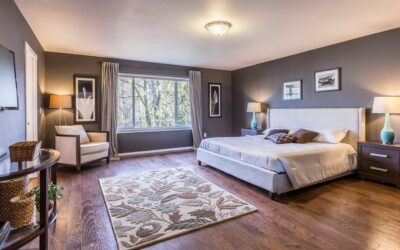
- Bedrooms: Cozy and restful, especially with warm lighting and natural textiles.
- Hallways and open floor plans: A good whole-house neutral if your home leans warm, since it ties rooms together without feeling cold.
- Exteriors: On stucco or siding it reads as a warm cream, especially in Southwestern, Spanish or traditional styles. Use an exterior-rated product.
Spaces where it can struggle include rooms with cool gray tile, blue-gray stone or very cool flooring. The warm yellow can clash with cool finishes and look dingy beside them.
Choosing the Sheen
- Flat or matte: Ceilings and low-traffic walls; hides imperfections and makes the warmth look soft.
- Eggshell: The everyday wall choice. Wipeable and still soft-looking.
- Satin: Kitchens, bathrooms and kids’ rooms where scrubbing is needed.
- Semi-gloss: Trim, doors and cabinets. Shows brush marks, so prep matters.
Glossier sheens bounce more light and can make the yellow look stronger. If you use Navajo White on cabinets in a sunny kitchen, look at a satin or semi-gloss sample in that light before committing.
Coordinating Colors
Sherwin-Williams lists several coordinating colors on its page for SW 6126:
- Creamy (SW 7012): A brighter warm white for trim and ceilings that keeps the warmth consistent.
- Row House Tan (SW 7689): A deeper tan that works on an accent wall, lower cabinets or exterior body color with Navajo White trim.
- Rita’s Rouge (SW 9003): A warm accent to use sparingly, for example on a front door or a powder room.
For other pairings, warm greens such as olive and sage, terracotta and rust tones, and warm wood all work well. Brass, bronze and oil-rubbed finishes suit the warmth better than very cool chrome. If you want a gray, pick a warm greige rather than a cool blue-gray.
Comparing Navajo White With Nearby Warm Whites
When choosing a warm white, compare large samples side by side. These comparisons come up most often:
- Navajo White vs Creamy (SW 7012): Creamy is a coordinating color and generally reads as a slightly brighter, cleaner warm white. Use it on trim to keep the walls from looking too beige by comparison.
- Navajo White vs Alabaster (SW 7008): Alabaster is a popular warm white that most people see as softer and less yellow. It suits homes that want warmth without obvious cream.
- Navajo White vs a cool white trim: A stark, blue-leaning white trim can make Navajo White walls look dingy or yellowed. Stick with warm or neutral whites.
Check LRVs and color details on each chip’s current page, since exact figures can change, and judge undertones in your own light rather than on a screen.
Testing and Painting Steps
- Order a sample or peel-and-stick paint sample swatches large enough to judge at a distance.
- Place them next to trim, floors, countertops and any large fabric pieces.
- Check in morning, afternoon and evening light for at least two days.
- Prep walls by cleaning, patching and sanding. Spot-prime patches so the sheen stays even.
- Cut in, then roll two coats, keeping a wet edge.
- Label leftovers with name, number and sheen.
Troubleshooting
It looks too yellow. Warm bulbs and southern light are the usual culprits. Switch to bulbs around 3000K to 3500K, or try a less saturated warm white.
It looks dingy or dirty. This often happens next to cool gray tile or bright, cool white trim. Change the trim to a warm white or test a cleaner color for the walls.
Old paint shows through. Dark colors underneath need a primer before Navajo White. Off-whites have less hiding power than mid-tones.
Touch-ups look shiny. Sheen mismatches stand out on light colors. Use the same product and sheen and feather with a roller.
Painting Costs
Expect a gallon of good interior paint to cover about 350 to 400 square feet per coat. Most standard bedrooms need 2 gallons for two coats on the walls. DIY projects mostly cost paint, primer and tools. Professional painters typically charge a general range of a few dollars per square foot of wall, more for trim, ceilings, cabinets and exteriors.
When to Call a Pro
Walls are a straightforward DIY project. Call a professional for exterior work, tall rooms, cabinetry refinishing, or homes built before 1978 where sanding or scraping old paint could disturb lead. Test before you sand, and use lead-safe practices or a certified contractor.
Frequently Asked Questions
What is the LRV of Navajo White Sherwin Williams?
Sherwin-Williams lists SW 6126 Navajo White with an LRV of 72.395, so about 72. It is a light color, but warmer and less bright than a crisp white.
Does Navajo White look yellow?
It has a warm yellow-beige lean. In strong sun or under warm bulbs it can look noticeably yellow; in north light it looks like a soft cream.
What trim color goes with Navajo White?
Creamy (SW 7012) is a coordinating color that works well as a warm, brighter trim. Avoid cool, blue-white trim.
Is Navajo White a good whole-house color?
It can be, especially in homes with warm wood, tan stone and traditional decor. In homes full of cool grays it can look dingy.
Can I use Navajo White on kitchen cabinets?
Yes, for a soft cream cabinet look. Use a durable cabinet enamel in satin or semi-gloss, and test in your kitchen light first.
Is Navajo White good for exteriors?
Yes, in an exterior-grade paint. It reads as a warm cream on stucco and siding and suits Southwestern and traditional homes.