Nightshade plant poison is a genuine danger that every homeowner, gardener, and pet owner should take seriously. Several plants in the nightshade family are poisonous to humans and animals, and some, like deadly nightshade, are dangerous enough that eating even a small amount can cause severe illness or worse. These plants often pop up uninvited along fence lines, in garden beds, and in shady corners of the yard, which is why learning to identify and safely remove them protects your family and pets.
This guide explains which nightshade plants are toxic, how to recognize them, how to remove them safely, and exactly what to do if someone or a pet is exposed. Do not downplay the risk; treat any suspected poisoning as an emergency.
Which Nightshades Are Poisonous
The nightshade family includes both harmless food crops and genuinely toxic plants. Several common toxic members deserve your caution.
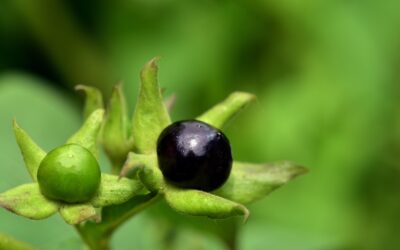
- Deadly nightshade (belladonna): One of the most poisonous plants in the family; all parts are toxic and the berries are especially dangerous, particularly to children who may mistake them for edible fruit.
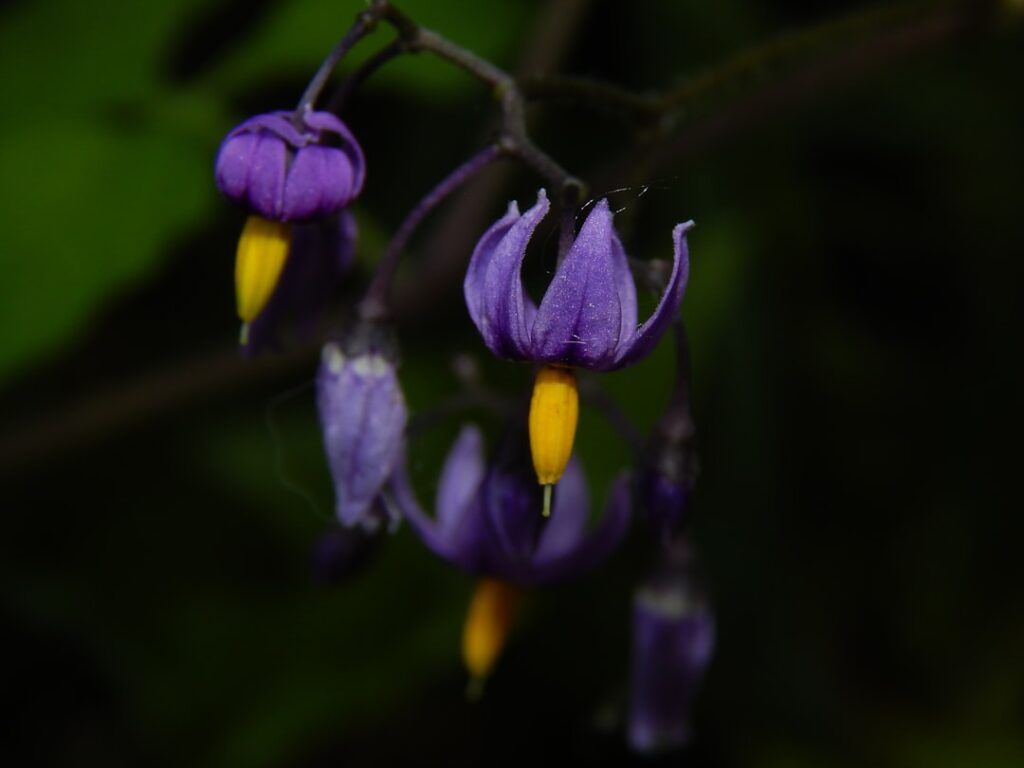
- Bittersweet nightshade: A climbing vine with purple flowers and bright red berries; all parts are toxic.
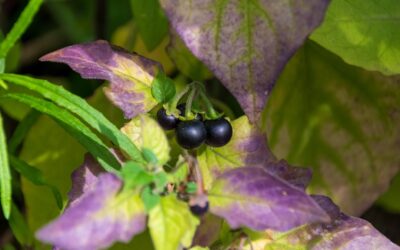
- Black nightshade: A common weed whose green, unripe berries and foliage are toxic.
- Jimsonweed: A highly poisonous nightshade-family plant with trumpet-shaped flowers and spiny seed pods.
Importantly, the foliage of common garden vegetables in the nightshade family, including tomato and potato plants, is also toxic. The fruit and tubers we eat are safe, but the leaves, stems, and green parts contain harmful compounds and should never be eaten.
How to Identify Toxic Nightshades
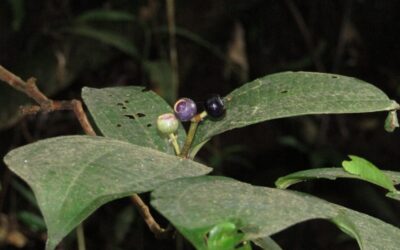
Identification can be tricky because nightshades vary widely, but a few features recur across many toxic species. Many produce small star-shaped or trumpet-shaped flowers, often in shades of white, purple, or yellow, followed by smooth round berries that may be green, red, purple, or black. Leaves are frequently oval with pointed tips and can give off an unpleasant smell when crushed.
Because misidentification is dangerous, never taste a plant or its berries to identify it, and when in doubt, treat any unfamiliar berry-producing plant as potentially toxic until you confirm otherwise with a reliable source or local extension office.
The Danger to Children and Pets
Children are at the highest risk because the colorful berries of plants like deadly nightshade and bittersweet look tempting and are easy to reach. Curious toddlers may pop them in their mouths within seconds. Pets, especially dogs that chew on plants and curious cats, are also vulnerable to nightshade poisoning from both wild plants and the foliage of garden tomatoes and potatoes.
Symptoms of poisoning can include nausea, vomiting, dilated pupils, confusion, rapid heartbeat, and difficulty breathing. These are medical emergencies. Do not wait to see if symptoms improve on their own.
What to Do in an Emergency
If you suspect a person has eaten any part of a poisonous nightshade plant, act immediately. Do not induce vomiting unless directed by a professional.
- For people: Call the US Poison Control Center at 1-800-222-1222 right away. If the person is unconscious, having seizures, or struggling to breathe, call 911 immediately.
- For pets: Call your veterinarian or the ASPCA Animal Poison Control Center at 1-888-426-4435.
- Try to identify the plant and note how much was eaten and when, which helps responders advise you.
- Keep a sample of the plant or a photo if you can do so safely.
How to Remove Nightshade Plants Safely
Removing toxic nightshades from your yard reduces the risk, but handle them carefully because the toxins can irritate skin and you must keep all plant parts away from children, pets, and your mouth.
- Wear gloves and long sleeves to protect your skin from sap and irritation.
- Pull the entire plant, roots and all, when the soil is moist so the root system comes out cleanly.
- Bag the plant material in a sealed trash bag rather than composting it, since berries and seeds can spread.
- Do not burn the plants, as the smoke can be harmful.
- Wash your hands and tools thoroughly when you finish, and avoid touching your face during the job.
Common Places Nightshades Grow
Toxic nightshades are opportunistic and tend to colonize neglected or transitional areas of a property. Knowing where they thrive helps you find and remove them before they set fruit.
- Along fence lines and property edges where mowing and weeding are skipped
- In shaded, moist corners and under shrubs where weeds escape notice
- Around compost piles, foundations, and garden bed margins
- In disturbed soil, vacant lots, and areas recently cleared of other plants
Birds spread nightshade seeds widely by eating the berries, which is why these plants can appear suddenly in a yard that was clear the year before. Regular inspection is the best way to catch new growth early.
Why You Should Never Self-Treat
If exposure happens, resist the urge to manage it at home with internet remedies. Do not induce vomiting, give activated charcoal, or offer food or water unless a poison control professional or doctor specifically instructs you to. Some well-meaning home treatments can make the situation worse or delay proper care.
The safest course is always to call the experts immediately. Keep the US Poison Control number, 1-800-222-1222, and the ASPCA Animal Poison Control number, 1-888-426-4435, saved in your phone and posted somewhere visible. In a true emergency with seizures, unconsciousness, or breathing trouble, call 911 without delay. Acting fast and following professional guidance gives the best possible outcome.
Preventing Nightshade Problems
Regularly inspect your yard, especially fence lines, garden edges, and shady spots, and remove young nightshade seedlings before they mature and produce berries. Teach children never to eat any berry or plant from the yard without an adult confirming it is safe. Keep pets supervised in areas where toxic plants might grow, and remove tomato and potato foliage scraps where pets could reach them.
Staying alert and acting quickly is the best defense. By learning to identify toxic nightshades, removing them safely with gloves, and keeping emergency numbers handy, you protect everyone in your household from a hazard that hides in plain sight.