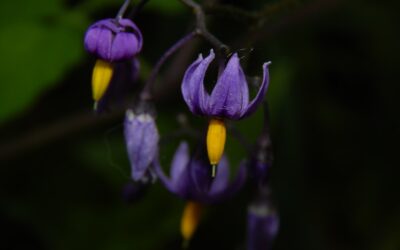
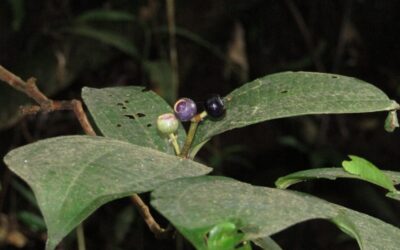
Every year, families and pets are poisoned by attractive berries growing right in the backyard. Poisonous nightshade plants belong to a large plant family that includes some of the most dangerous toxic plants found in North American yards and woodlands, and several look harmless enough to tempt a curious child or dog. These plants are genuinely toxic to humans and pets; do not eat any part of them. This guide helps you identify common nightshade-family plants, remove them safely, and know exactly what to do if someone is exposed. Take this seriously, because nightshade poisoning can be severe.
What the Nightshade Family Includes
The nightshade family (Solanaceae) is huge and includes both food crops and dangerous wild plants. That overlap causes confusion, so it is critical to understand that many family members are toxic even though some relatives are edible. The toxic compounds in dangerous nightshades are alkaloids such as solanine and atropine, which affect the nervous system and digestive tract.
Importantly, even common garden vegetables in this family have toxic parts. The foliage, stems, and unripe fruit of tomatoes and potatoes contain solanine and should never be eaten; green or sprouted potatoes can also be toxic. The lesson is to respect the whole family, not just the obviously wild plants.
Dangerous Nightshades to Identify
Several nightshade-family plants are notably toxic and worth learning to recognize.
- Deadly nightshade (belladonna): Among the most poisonous plants in the family, with dull green leaves, bell-shaped purplish flowers, and shiny black berries that are extremely dangerous
- Bittersweet nightshade: A climbing vine with purple star-shaped flowers, yellow centers, and clusters of red berries that are toxic if eaten
- Black nightshade: A common weed with small white flowers and black berries; toxic, especially when unripe
- Jimsonweed: A related toxic plant with large trumpet flowers and spiny seed pods, dangerous in all parts
Do not rely on appearance alone or attempt a taste test, ever. If you cannot confidently identify a plant, treat it as toxic and contact a local extension office or master gardener for help identifying it.
Why These Plants Are So Dangerous
The danger is twofold: the toxins are potent, and the berries are appealing. Bright red and shiny black berries look like fruit to children and pets, and only a small amount can cause serious poisoning. Symptoms of nightshade poisoning can include dilated pupils, dry mouth, flushed skin, rapid heartbeat, nausea, vomiting, confusion, hallucinations, and in severe cases seizures or worse.
Because effects can be serious and can escalate, never adopt a wait-and-see approach if you suspect ingestion. Treat any exposure as a potential emergency and get professional guidance immediately.
Safe Removal From Your Yard
If you find toxic nightshades growing on your property, remove them carefully to prevent accidental poisoning. Protect yourself, since some species can irritate skin.
- Wear gloves, long sleeves, and eye protection before handling any plant
- Pull or dig out the entire plant, including the roots, to prevent regrowth
- Remove and bag all berries first so they cannot drop and spread seeds
- Do not burn the plants, as smoke can carry irritants
- Seal plant material in a bag and dispose of it in the trash, not the compost
Wash your hands, tools, and clothing thoroughly afterward, and keep children and pets away from the area until cleanup is complete.
What to Do If Someone Is Exposed
Act quickly and do not wait for symptoms to worsen. Keep these numbers handy.
- For people: Call US Poison Control at 1-800-222-1222 immediately for guidance, available 24/7
- For pets: Call the ASPCA Animal Poison Control Center at 1-888-426-4435
- For severe symptoms: such as seizures, difficulty breathing, or loss of consciousness, call 911
Do not try to induce vomiting unless a professional tells you to. If possible, take a photo or sample of the plant to help responders identify the toxin, but do not delay calling for help.
Preventing Accidental Poisoning
Prevention is the best protection. Walk your yard regularly and remove unknown berry-producing weeds before they fruit. Teach children never to eat any berry or plant they find outdoors, no matter how appealing. Supervise young kids and pets in areas where wild plants grow, and clear fence lines and garden edges where bittersweet and other nightshades like to climb.
Telling Toxic Berries From Safe Ones
The most dangerous moment is when someone mistakes a toxic nightshade berry for an edible one. There is no reliable folk test for whether a wild berry is safe, and many poisonous berries look appetizing. Bright red, shiny black, or glossy clustered berries on unfamiliar plants should be treated as suspect until positively identified by an expert.
Teach everyone in the household a simple rule: never eat any berry, leaf, or plant growing wild unless a knowledgeable adult has confirmed it is safe. This rule alone prevents the great majority of accidental poisonings, because the danger almost always comes from someone assuming a tempting-looking berry is harmless. When you cannot identify a plant, photograph it and consult a local extension office, poison center, or qualified botanist rather than guessing.
Where Nightshades Tend to Grow
Knowing where these plants like to establish themselves helps you find and remove them before they fruit. Bittersweet nightshade favors fence lines, hedges, and the edges of gardens, where its vine can climb. Black nightshade pops up as a weed in disturbed soil, vegetable beds, and along paths. Deadly nightshade prefers shaded, moist ground and woodland edges, while jimsonweed colonizes waste ground, fields, and neglected corners of a yard.
Walk your property’s borders, garden beds, and fence lines a few times through the growing season, especially in spring and early summer, and pull unfamiliar plants while they are young. Removing them before they flower and set berries is far safer than dealing with a fruiting plant near where children and pets play.
The Bottom Line
Poisonous nightshade plants are a real hazard to people and pets, with toxic foliage and tempting berries that should never be eaten. Learn to identify deadly nightshade, bittersweet, black nightshade, and jimsonweed, remove them with gloves and full protection, and keep Poison Control at 1-800-222-1222 and ASPCA Animal Poison Control at 1-888-426-4435 on hand. When in doubt, treat any unknown plant as toxic and get professional help fast.