The CDC tracks about 235,000 bathroom-related fall injuries in the US every year, and the worst happen in the three feet directly outside the tub or shower. A genuinely effective non slip bathroom mats purchase is not a five-dollar afterthought from the clearance aisle, it is the cheapest insurance policy you can put on a tile floor. After testing dozens of mats during rental flips and aging-in-place upgrades, the difference between a great mat and a bad one comes down to backing material, drying speed, and how the mat interacts with bathroom tile. This guide cuts through the marketing.
Part of our Bathroom Remodeling & Flooring guide — explore the full guide →
The Two Mats Every Bathroom Needs
There is no single mat that solves the bathroom slip problem. You actually need two, working together. The first is the in-shower or in-tub mat that grips the wet ceramic or fiberglass surface beneath your feet while you wash. The second is the bath mat outside the tub, which catches dripping water and gives your wet feet a stable transition to the rest of the bathroom.
Trying to use a single fabric mat to cover both jobs is the most common mistake. The mat soaks through, slides on tile, and becomes the hazard.
What Backing Material Actually Matters
The grip on any bath mat comes from one of four backing systems, and only two of them work long term.
- PVC suction cup backing: Best for inside the tub. Grips smooth ceramic or fiberglass via 80 to 200 small cups. Loses suction on textured tubs.
- Natural rubber latex backing: Best for outside the tub on tile or stone. Grips through high friction, lasts 3 to 5 years before crumbling.
- TPR (thermoplastic rubber): The newer alternative to latex, lasts longer, costs slightly more.
- Silicone dot or strip backing: Mediocre. Provides grip on flat tile but slides on textured ceramic. Avoid for primary safety zones.
Cotton-only mats with no backing should be reserved for guest powder rooms where you are not stepping out of a shower.
Top Picks for Inside the Tub
Three products consistently outperform their competitors based on long-term grip and mildew resistance.
- Gorilla Grip Original Patented Bath Tub Mat ($20 to $28): 200 suction cups, BPA-free PVC, 35-by-16 inches. Holds firm on smooth tubs and survives 200-plus dishwasher washes.
- Yimobra Original Bath Tub Mat ($18 to $25): 27.4-inch length, machine-washable, drains through 144 perforations.
- Othway Suction Cup Bathtub Mat ($14 to $22): Smaller footprint at 21 inches, good for elderly users who want a mat only in the highest-risk zone.
Test suction by pressing the mat firmly into a wet tub for 30 seconds, then trying to lift one corner. A good mat resists noticeably.
Top Picks for Outside the Tub
The bath mat outside the shower has a different job: absorb water fast and stay flat.
- Genteele Memory Foam Bath Mat ($22 to $30): 1-inch coral velvet pile over high-density memory foam with rubberized back. Holds 8 to 10 oz of water without saturating.
- Norcho Diatomaceous Earth Stone Mat ($30 to $45): Rigid mat that dries in under 60 seconds. Excellent for households with one bathroom and back-to-back showers.
- Yimobra Maximum Absorbent Mat ($25 to $35): Microfiber chenille with TPR backing. Machine-washable, 31-by-19 inches.
- Sustainable Threads Organic Cotton Bath Rug ($45 to $65): No rubber backing, but pairs with a non-slip pad underneath for the highest-end natural option.
Sizing and Bathroom Layout
A mat that is too small forces you to dry one foot at a time, which is when most slips happen. For a standard 60-inch tub, you want an outside mat at least 30 inches long and 20 inches wide. For walk-in showers with curbless entry, run two smaller mats end to end to cover the full splash zone.
Leave 12 to 18 inches of clear tile between the mat and the toilet so you do not trip turning.
Washing, Drying, and Replacing
Bath mats fail when they hold moisture between fibers and the backing. Wash machine-safe mats every 5 to 7 uses on warm with a half-dose of detergent, then dry on low heat or air-dry over the tub edge. PVC suction-cup mats can go on the top rack of the dishwasher monthly.
Replace any mat showing crumbling rubber, mildew spots that resist bleach, or backing that no longer grips when wet. Five years is the practical max for daily-use rubber-backed mats.
Slip Hazards Beyond the Mat
A mat alone does not solve a slick bathroom. Three upgrades multiply the safety payoff:
- Apply a clear anti-slip coating like Slip Doctors SureStep to the tub floor itself. Adds a fine micro-texture, lasts 12 to 18 months, costs $40 per kit.
- Install a grab bar rated for 250 lb minimum, screwed into a stud or backing block, not just drywall anchors. ADA-compliant bars from Moen or Delta run $35 to $80.
- Swap the bathroom floor tile for one rated DCOF 0.42 or higher if you are doing a remodel. Standard polished porcelain rates around 0.30 wet, well below safe.
Mat Choices for Elderly or Mobility-Limited Users
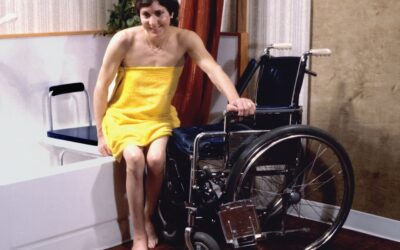
For aging-in-place bathrooms, the priorities shift. Pick mats with a low pile height under 0.5 inches so walker wheels and canes do not snag. Pair an in-tub mat with a transfer bench that has rubber feet and integrated suction. Avoid memory foam mats outside the tub because they compress unevenly and can pitch a walker.
Look for products certified by the Arthritis Foundation Ease-of-Use Commendation when buying for senior households.
What to Skip
Plush shag mats over an inch tall look luxurious but absorb water slowly and dry overnight. Bamboo slat mats look clean but offer almost no grip on wet tile. Cheap dollar-store mats with thin PVC dots peel within a month.
Choosing the right non slip bathroom mats takes ten minutes and prevents an injury that can cost a household $40,000 in medical bills. Buy the right backing, replace on schedule, and pair with the right floor treatment.