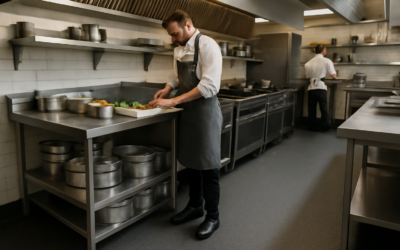
Slippery floors are more than an inconvenience. They are a genuine safety hazard. The CDC reports that falls are the leading cause of non-fatal injuries in the home, and wet or slippery flooring is a major contributing factor. Non-slip vinyl flooring addresses this risk directly by combining the waterproof, low-maintenance benefits of vinyl flooring with textured surfaces engineered for superior traction, even when wet.
Whether you are outfitting a bathroom, upgrading a kitchen, renovating a commercial space, or creating a safer environment for elderly family members, non-slip vinyl flooring offers one of the best combinations of safety, durability, and affordability on the market. This guide explains how slip resistance is measured, which textures and styles offer the best grip, and what to look for when shopping for non-slip vinyl.
- Understanding Slip Resistance Ratings
- What Makes Vinyl Flooring Non-Slip
- Best Non-Slip Vinyl for Bathrooms
- Best Non-Slip Vinyl for Kitchens
- Non-Slip Vinyl for Commercial and Public Spaces
- Top Brands for Non-Slip Vinyl Flooring
- Installation Considerations for Non-Slip Vinyl
- Maintenance and Cleaning
- Frequently Asked Questions
- Final Thoughts
Understanding Slip Resistance Ratings
Slip resistance is measured using standardized testing methods that rate a floor’s traction under wet conditions. Understanding these ratings helps you choose a product that is genuinely non-slip rather than just marketed as one.
R-Ratings (DIN 51130)
The R-rating system is the most widely recognized slip resistance classification, originating from the German DIN 51130 standard. Ratings range from R9 (minimal slip resistance) to R13 (highest slip resistance). Here is what each level means in practice:
- R9: Basic slip resistance. Suitable for dry interior areas like living rooms and bedrooms.
- R10: Moderate slip resistance. Suitable for kitchens, bathrooms, and areas with occasional water exposure. This is the minimum recommended rating for residential wet areas.
- R11: Good slip resistance. Suitable for commercial kitchens, laundry rooms, and areas with frequent water on the floor.
- R12: High slip resistance. Required for industrial kitchens, food processing areas, and heavy commercial wet areas.
- R13: Very high slip resistance. Used in industrial environments with oils, fats, and other slippery substances.
For residential bathrooms and kitchens, look for non-slip vinyl with at least an R10 rating. For commercial applications, R11 or higher is typically required by building codes and insurance standards.
PTV (Pendulum Test Value)
The Pendulum Test Value measures dynamic slip resistance using a swinging pendulum device that simulates a foot striking the floor. A PTV of 36 or above is classified as “low slip potential” in the UK and many international standards. Most quality non-slip vinyl products achieve PTV values between 36 and 50.
DCOF (Dynamic Coefficient of Friction)
In the United States, the DCOF test (ANSI A326.3) measures the friction between a standardized test device and the wet floor surface. A DCOF of 0.42 or higher is required for level interior wet surfaces. This is the standard most commonly referenced by US flooring manufacturers and building codes.
What Makes Vinyl Flooring Non-Slip
Non-slip vinyl achieves its traction through surface texture, material composition, and sometimes embedded grit particles. Understanding these elements helps you evaluate products beyond just reading a rating number.
Surface Texture
The primary mechanism for slip resistance in vinyl flooring is surface texture. Embossed, dimpled, studded, or grained textures create microscopic peaks and valleys that channel water away from the contact point between foot and floor. The more aggressive the texture, the higher the slip resistance. Smooth vinyl flooring, regardless of its other qualities, offers significantly less wet traction.
Textured Finish Types
Common non-slip vinyl textures include:
- Mineral emboss: A fine, granular texture that feels slightly rough underfoot. Provides excellent grip without being uncomfortable barefoot.
- Diamond plate: A raised geometric pattern common on commercial and industrial vinyl. Very effective but has an obviously utilitarian look.
- Slate and stone textures: Natural stone embossing provides good traction while maintaining an attractive appearance suitable for residential and hospitality settings.
- Wood grain texture: Deep wood-grain embossing provides moderate slip resistance and is the most popular aesthetic choice for non-slip residential vinyl.
Anti-Slip Coatings
Some vinyl flooring products feature factory-applied anti-slip coatings that add microscopic abrasive particles to the surface layer. These coatings enhance traction beyond what texture alone provides. The coating is embedded in the wear layer and lasts the life of the floor under normal use.
Best Non-Slip Vinyl for Bathrooms
Bathrooms are the most critical room in the home for slip-resistant flooring. Water from showers, tubs, sinks, and wet feet creates persistent slip hazards.
Sheet Vinyl
Sheet vinyl is the safest bathroom flooring option for slip resistance because it has no seams where water can penetrate. Non-slip sheet vinyl with an R10 or R11 rating and a textured surface provides continuous, waterproof, slip-resistant coverage. It is the preferred choice for bathroom floors in healthcare facilities and assisted living settings where fall prevention is paramount.
Luxury Vinyl Tile (LVT)
Non-slip LVT with stone or slate textures brings a high-end look to bathroom floors while providing excellent wet traction. Choose tiles with a minimum 20-mil wear layer and a textured surface rated R10 or above. Ensure the tiles are installed with tight seams and waterproof adhesive or use a click-lock waterproof system.
Luxury Vinyl Plank (LVP)
Wood-look vinyl planks with deep embossed textures work well in bathrooms and powder rooms. Look for waterproof flooring products with an SPC or WPC core and a textured surface. The wood-grain texture provides moderate slip resistance that is appropriate for residential bathrooms.
Bathroom-Specific Recommendations
For walk-in showers and wet rooms, specify R11-rated sheet vinyl or use dedicated shower-grade non-slip flooring. For standard bathroom floors, R10-rated textured vinyl tile or plank is sufficient. Place bath mats at tub and shower exits for additional safety during the transition from standing water to the floor surface.
Best Non-Slip Vinyl for Kitchens
Kitchen floors deal with water splashes, cooking oil drips, spilled liquids, and heavy foot traffic. Non-slip vinyl handles all of these challenges while being easy to clean.
Residential Kitchen Options
An R10-rated vinyl plank or tile with a textured surface is ideal for residential kitchens. Wood-look and stone-look textures provide adequate slip resistance for normal kitchen use while maintaining an attractive appearance. Choose a product with a thick wear layer (20 mils or more) to resist scratches from dropped utensils and dragged chairs.
Commercial Kitchen Requirements
Commercial kitchens require a minimum R11 rating, and R12 is recommended for areas around fryers, dishwashers, and sinks. Commercial-grade non-slip vinyl with heavy-duty textures and industrial wear layers is available from manufacturers like Altro, Gerflor, and Polyflor. These products are designed to maintain their slip resistance under the demanding conditions of professional kitchen environments.
Non-Slip Vinyl for Commercial and Public Spaces
Non-slip vinyl is widely used in commercial settings because it meets safety codes, handles heavy traffic, and keeps maintenance costs low.
Healthcare Facilities
Hospitals, clinics, and care homes require flooring that is easy to sanitize, comfortable for staff on their feet all day, and safe for patients who may be unsteady. Non-slip sheet vinyl with welded seams creates a hygienic, seamless floor that meets healthcare infection control standards while providing reliable traction.
Schools and Educational Facilities
Hallways, cafeterias, and restrooms in schools need durable, slip-resistant flooring that can handle high traffic and frequent cleaning. Commercial-grade non-slip vinyl in sheet or tile form is one of the most cost-effective solutions for educational settings.
Retail and Hospitality
Restaurants, hotels, shops, and public buildings use non-slip vinyl for its safety compliance, design versatility, and low lifecycle cost. Modern commercial non-slip vinyl is available in attractive designs that satisfy both safety requirements and aesthetic expectations.
Gyms and Recreation Facilities
Changing rooms, pool surrounds, and shower areas in fitness facilities are high-risk slip zones. R11 to R12 rated non-slip vinyl with aggressive textures is the standard specification for these areas.
Top Brands for Non-Slip Vinyl Flooring
Altro
Altro is a specialist in safety flooring and one of the most respected names in non-slip vinyl worldwide. Their products are used extensively in commercial kitchens, healthcare, and education. Altro floors feature proprietary Altro Easyclean PUR technology that maintains hygiene without sacrificing slip resistance. Ratings range from R10 to R13 depending on the product line.
Gerflor
Gerflor offers a wide range of non-slip vinyl for both commercial and residential applications. Their Taralay and Mipolam lines are popular in healthcare and education, while their residential products bring safety flooring technology to home kitchens and bathrooms.
Polyflor
Polyflor’s Polysafe range is specifically designed for wet-area safety. Available in a wide range of colors and patterns, Polysafe products carry sustainable slip resistance over their lifetime. They are widely specified in the UK and international markets.
Karndean
Karndean offers luxury vinyl tile and plank with textured surfaces that provide good slip resistance in residential and light commercial settings. Their products combine attractive natural-look designs with practical safety features.
Shaw and Mohawk
For residential non-slip vinyl in the US market, Shaw and Mohawk both offer LVP and LVT products with textured surfaces and good DCOF ratings. These are widely available at major retailers and offer solid performance at competitive prices.
Installation Considerations for Non-Slip Vinyl
Subfloor Preparation
Non-slip vinyl requires a smooth, clean, dry subfloor for proper adhesion and performance. Any bumps, debris, or moisture issues in the subfloor will telegraph through the vinyl and can compromise both the appearance and the slip resistance. Self-leveling compound should be used to correct any unevenness before installation.
Adhesive Selection
For glue-down non-slip vinyl, use the adhesive specified by the manufacturer. Pressure-sensitive and acrylic adhesives are common. In wet areas, use a waterproof adhesive and ensure full coverage without gaps that could allow water penetration.
Seam Treatment
In bathrooms and wet areas, seams between vinyl sheets or tiles should be welded (heat-welded for sheet vinyl) or sealed with waterproof seam sealant. This prevents water from migrating beneath the floor through the joints.
Maintenance and Cleaning
Non-slip vinyl flooring is easy to maintain, but the textured surface does require slightly more cleaning attention than smooth vinyl to prevent dirt from accumulating in the texture grooves.
Daily Cleaning
Sweep or vacuum daily to remove loose dirt and debris. A damp mop with a pH-neutral floor cleaner handles most routine cleaning. Avoid wax-based polishes and oil-based cleaners, which can fill the texture grooves and reduce slip resistance over time.
Deep Cleaning
Periodically scrub the floor with a rotary machine or aggressive mop to clean out the texture grooves. This is more important for commercial settings with heavy soiling. Residential floors typically stay clean with regular mopping.
Maintaining Slip Resistance
The textured surface of non-slip vinyl is permanent and does not wear away under normal use. However, buildup of wax, polish, or soap residue can fill the micro-texture and reduce traction. Stick to manufacturer-recommended cleaning products and avoid anything that leaves a film or residue on the surface.
Frequently Asked Questions
Is all vinyl flooring non-slip?
No. Standard vinyl flooring with a smooth surface can be quite slippery when wet. Only vinyl products with textured surfaces and tested slip-resistance ratings (R10+, DCOF 0.42+) qualify as genuinely non-slip. Always check the product specifications for slip-resistance test results.
What R-rating do I need for a bathroom?
R10 is the minimum recommended rating for residential bathrooms. For walk-in showers, wet rooms, and bathrooms used by elderly or mobility-impaired individuals, R11 provides an extra margin of safety.
Does non-slip vinyl feel rough underfoot?
Higher-rated non-slip vinyl (R12, R13) can feel noticeably rough, which is fine for commercial and industrial use but may be uncomfortable barefoot at home. R10 and R11 rated products designed for residential use have a gentler texture that provides grip without being uncomfortable to walk on barefoot.
Can I use non-slip vinyl in a shower?
Specialty non-slip vinyl rated R11 or higher can be used in walk-in showers and wet rooms. The vinyl must be installed with fully welded seams and proper waterproof detailing. This is common in healthcare and hospitality settings and increasingly popular in residential wet room designs.
How long does non-slip vinyl last?
Quality non-slip vinyl flooring lasts 15 to 25 years in residential settings and 10 to 15 years in heavy commercial environments. The slip-resistant texture is built into the wear layer and maintains its performance throughout the product’s lifespan.
Final Thoughts
Non-slip vinyl flooring is one of the smartest choices you can make for any space where water, moisture, or spills create slip hazards. From residential bathrooms and kitchens to commercial kitchens and healthcare facilities, the combination of tested slip resistance, waterproof performance, easy maintenance, and attractive design options makes non-slip vinyl a practical and versatile safety solution. Focus on verified slip-resistance ratings, choose the right texture for your application, and maintain the floor with appropriate cleaning products to ensure safe, reliable traction for years to come.
Prefer to explore on your own?
See how new flooring looks in your actual room in seconds — free, no signup.
Try the free Floor Studio →